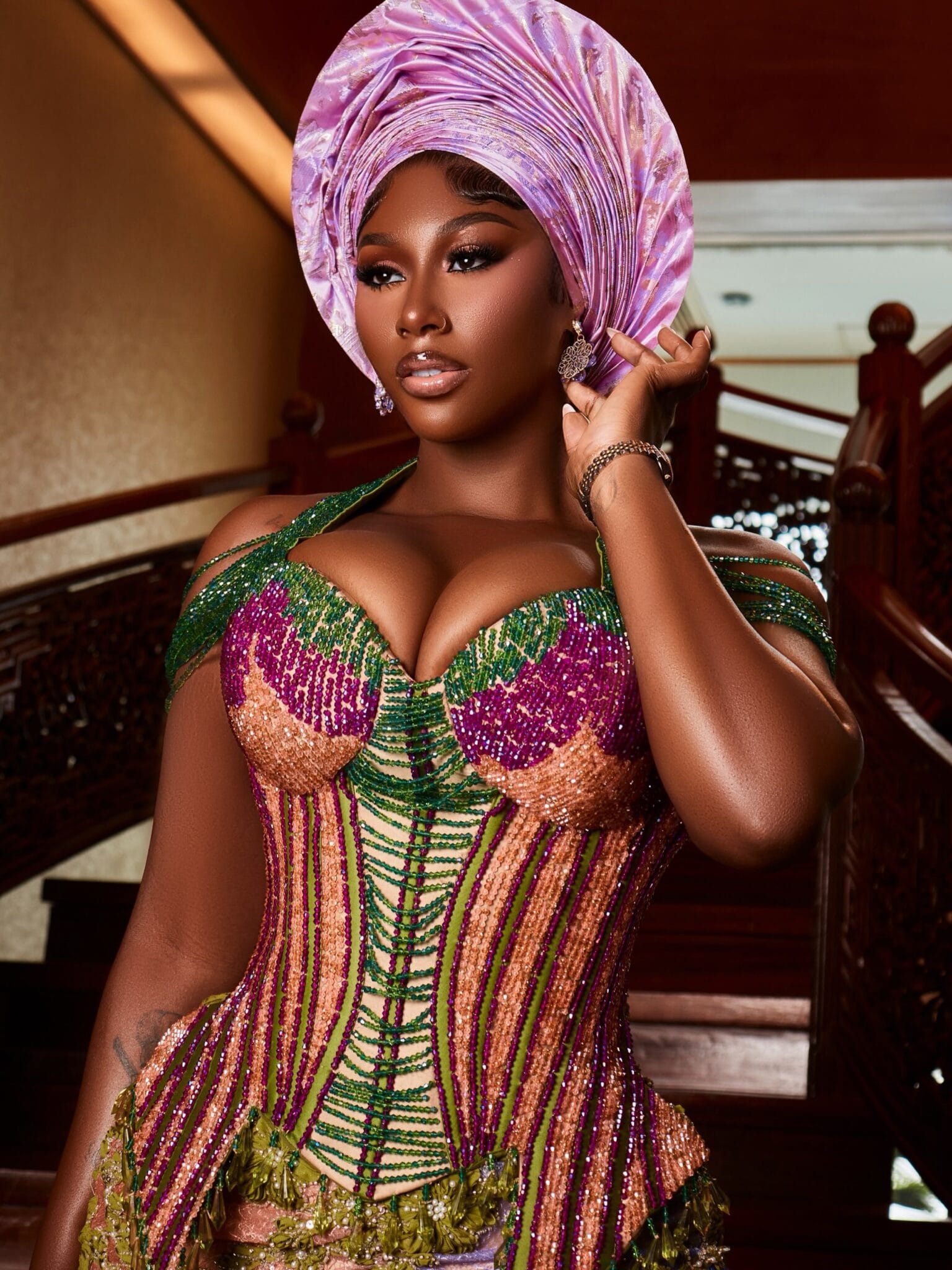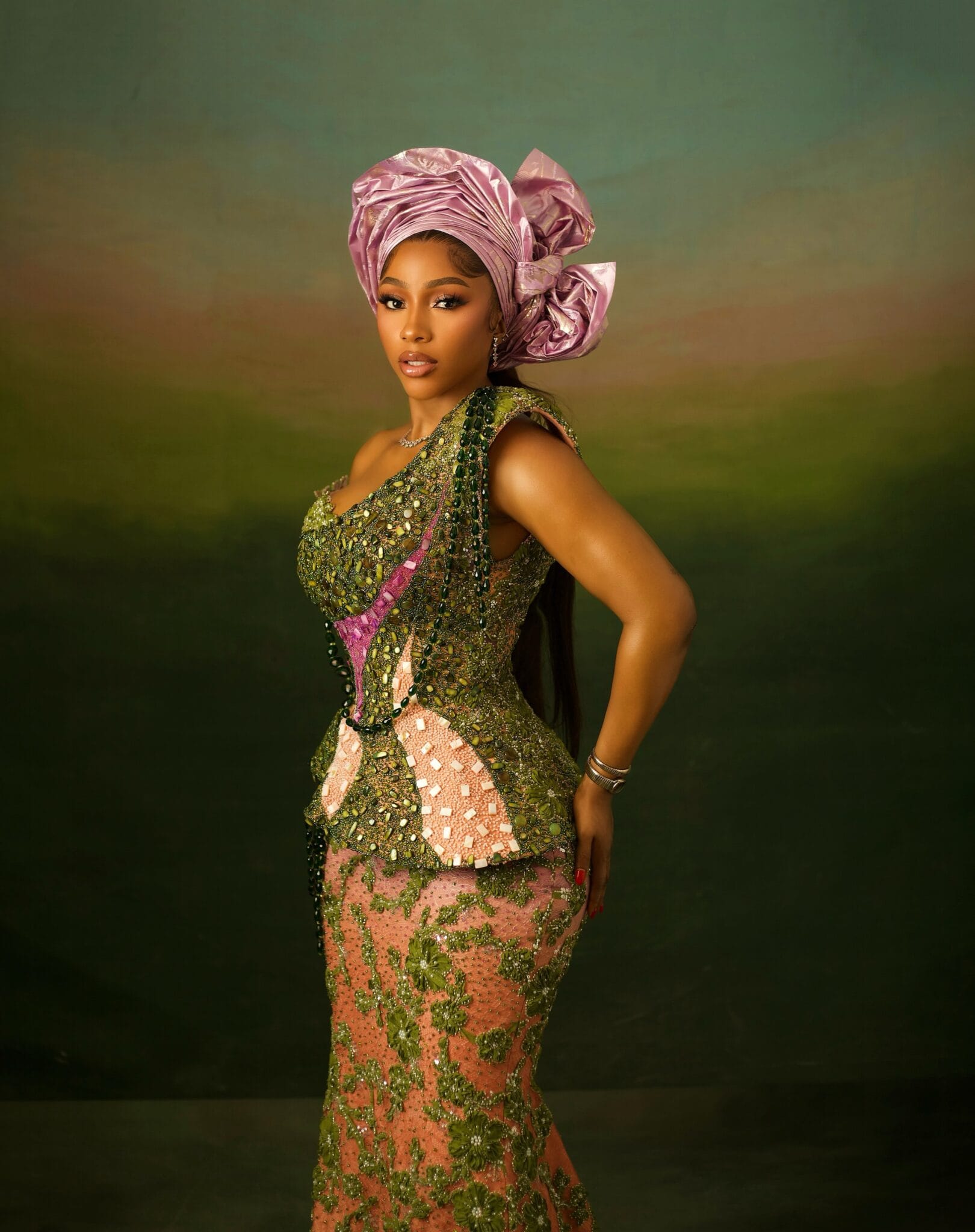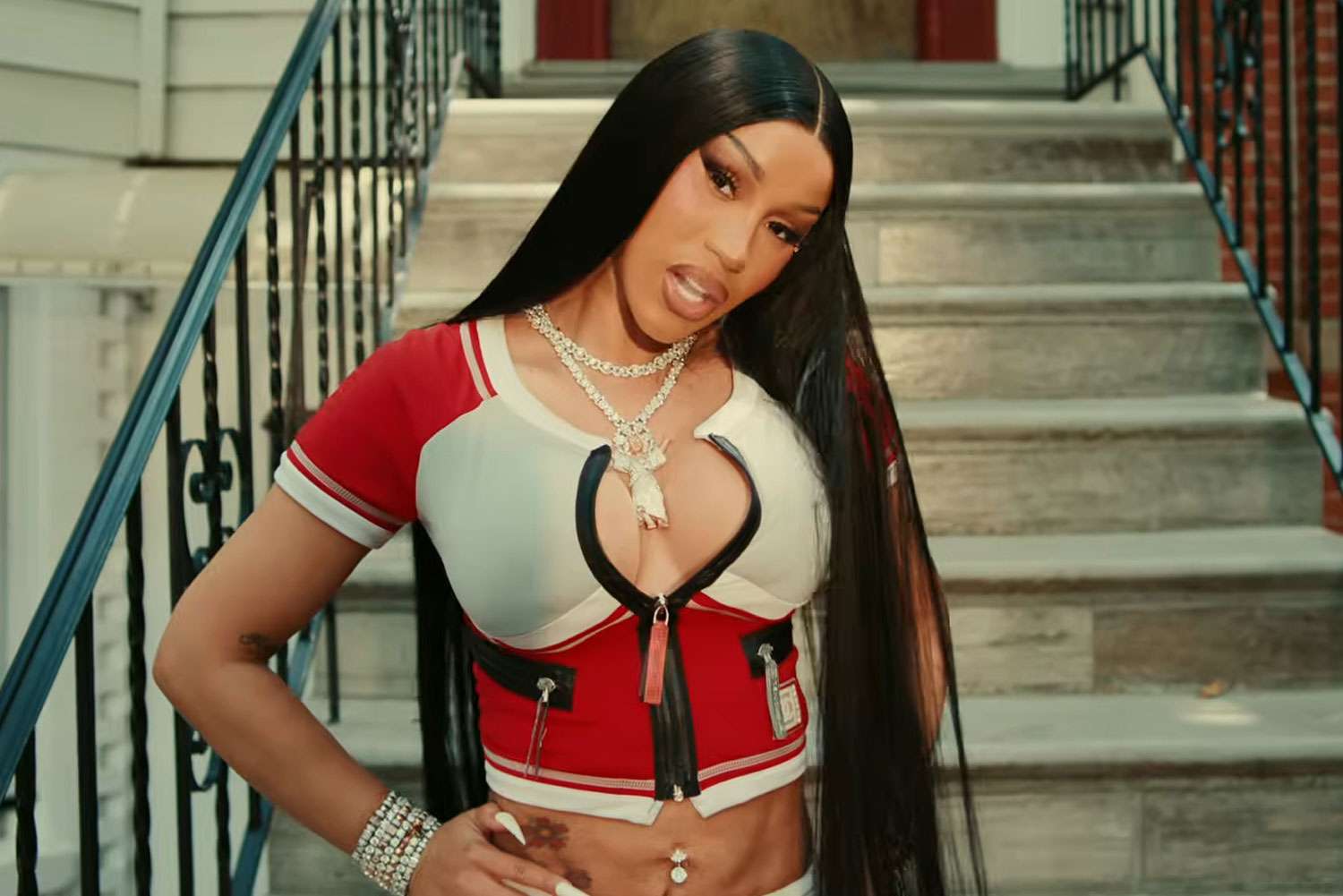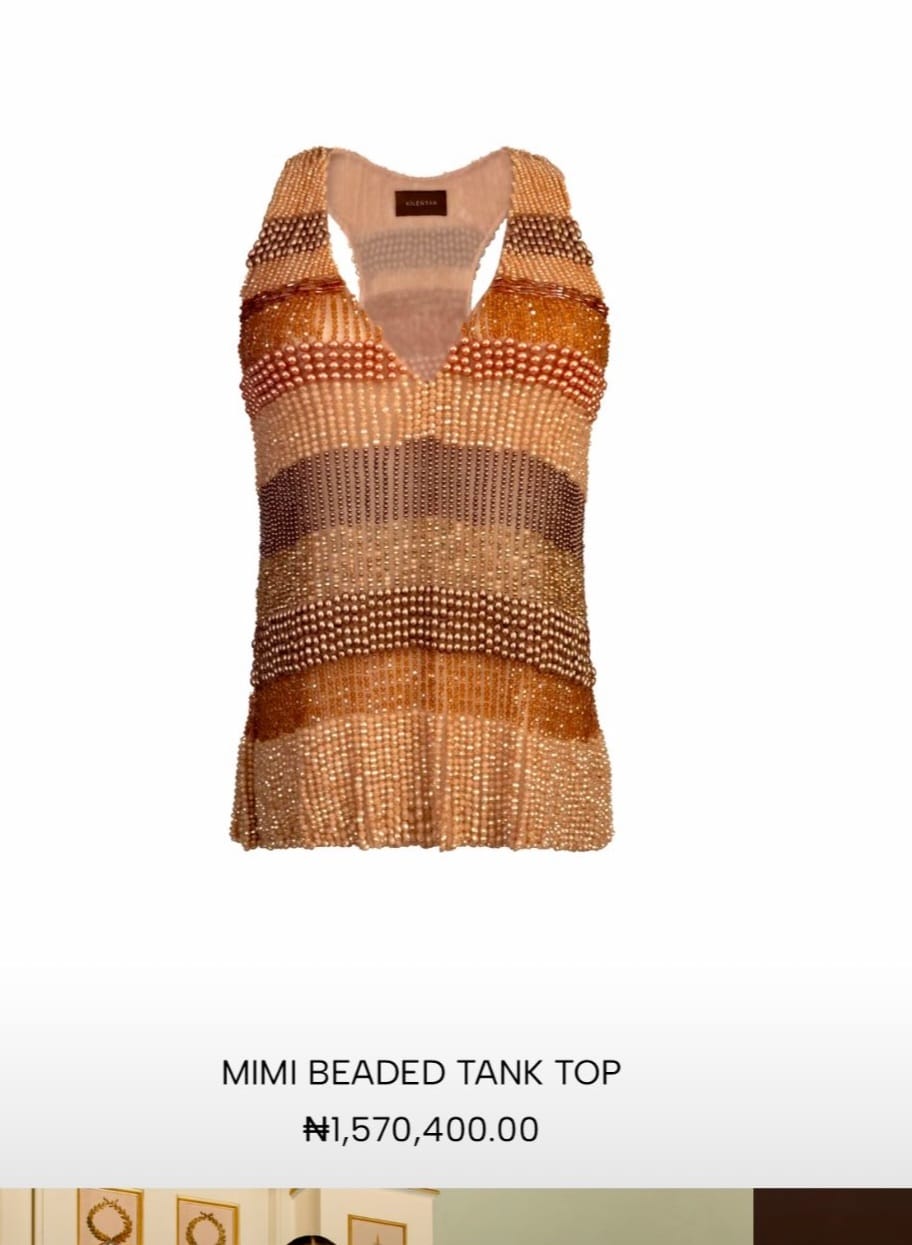







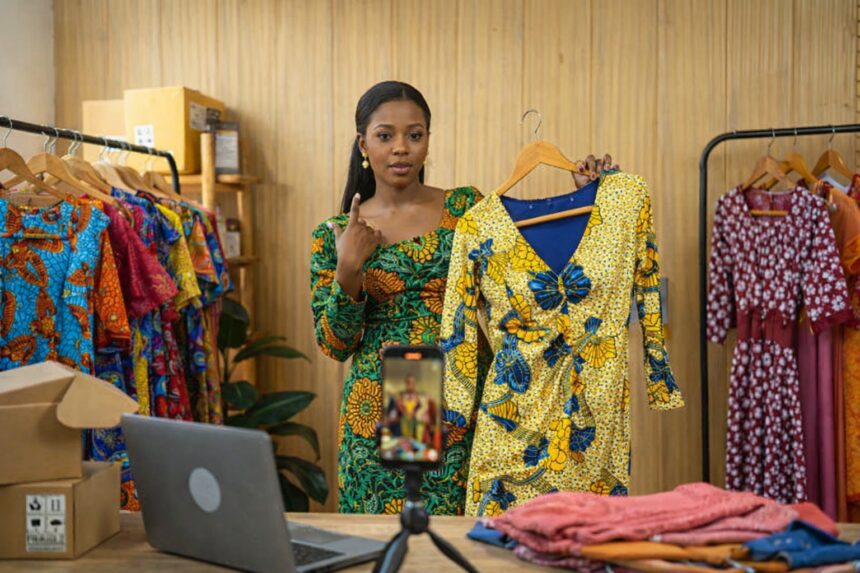
Instagram and Nigerian fashion brands are now almost inseparable. Before Instagram, visibility in the Nigerian fashion industry was expensive, slow, and tightly controlled. Designers relied on magazines, fashion weeks, insiders, or sheer luck to gain visibility. Instagram changed that completely. With a phone, good work, and consistency, Nigerian fashion brands can suddenly reach a wider audience.
This shift unlocked a wave of creativity. New designers emerged. Stylists found clients faster. Fashion no longer waited for permission. Instagram gave Nigerian fashion brands visibility at a scale the industry had never seen.
But that visibility came with a hidden weakness.
Instagram rewards appearance more than structure. It amplifies how things look, not how they function. As a result, many Nigerian fashion brands grew on aesthetics alone. Strong visuals created fast attention, even when the business behind the brand was unstable.
Over time, attention became confused with growth. Likes replaced demand forecasting. Engagement replaced cash flow. Virality replaced planning. As long as posts performed well, the brand felt healthy.
Until reality caught up.
Instagram trained founders to prioritize constant output. New collections, fresh shoots, frequent drops, and endless content cycles became the norm. Silence felt risky. Rest felt irresponsible. The algorithm rewarded presence, and Nigerian fashion brands adjusted their pace to match it.
What suffered was depth.

Operations were rushed. Pricing was reactive. Systems were postponed. Everything that did not translate directly into content was treated as secondary. Bookkeeping, documentation, team structure, customer experience, and long-term planning were pushed aside in favor of visibility.



This is where fragility entered.
Many Nigerian fashion brands became dependent on daily posting to survive. A slow month, a change in the algorithm, burnout, or a personal disruption was enough to shake the entire business. Without constant activity on Instagram, sales slowed, and attention faded.
Instagram also collapsed the distance between brand and customer. Direct messages became storefronts. Comments became customer service. This closeness initially felt empowering, but over time, it removed boundaries. Prices became negotiable. Availability became constant. Respect became inconsistent.
Instagram did not create these weaknesses. It exposed them.
Nigerian fashion brands that paired visibility with structure adapted better. They treated Instagram as a distribution channel, not the foundation of the business. They invested in pricing discipline, systems, and processes that worked even when engagement dropped.
Others struggled. Loud on the outside, fragile on the inside. Instagram is not the enemy of Nigerian fashion brands. It is a powerful tool. But tools amplify what already exists.
For the Nigerian fashion industry, Instagram amplified creativity, reach, and opportunity. It also amplified weak foundations.
Visibility without structure is not growth. It is exposure.
And exposure, without support, always leads to fragility.