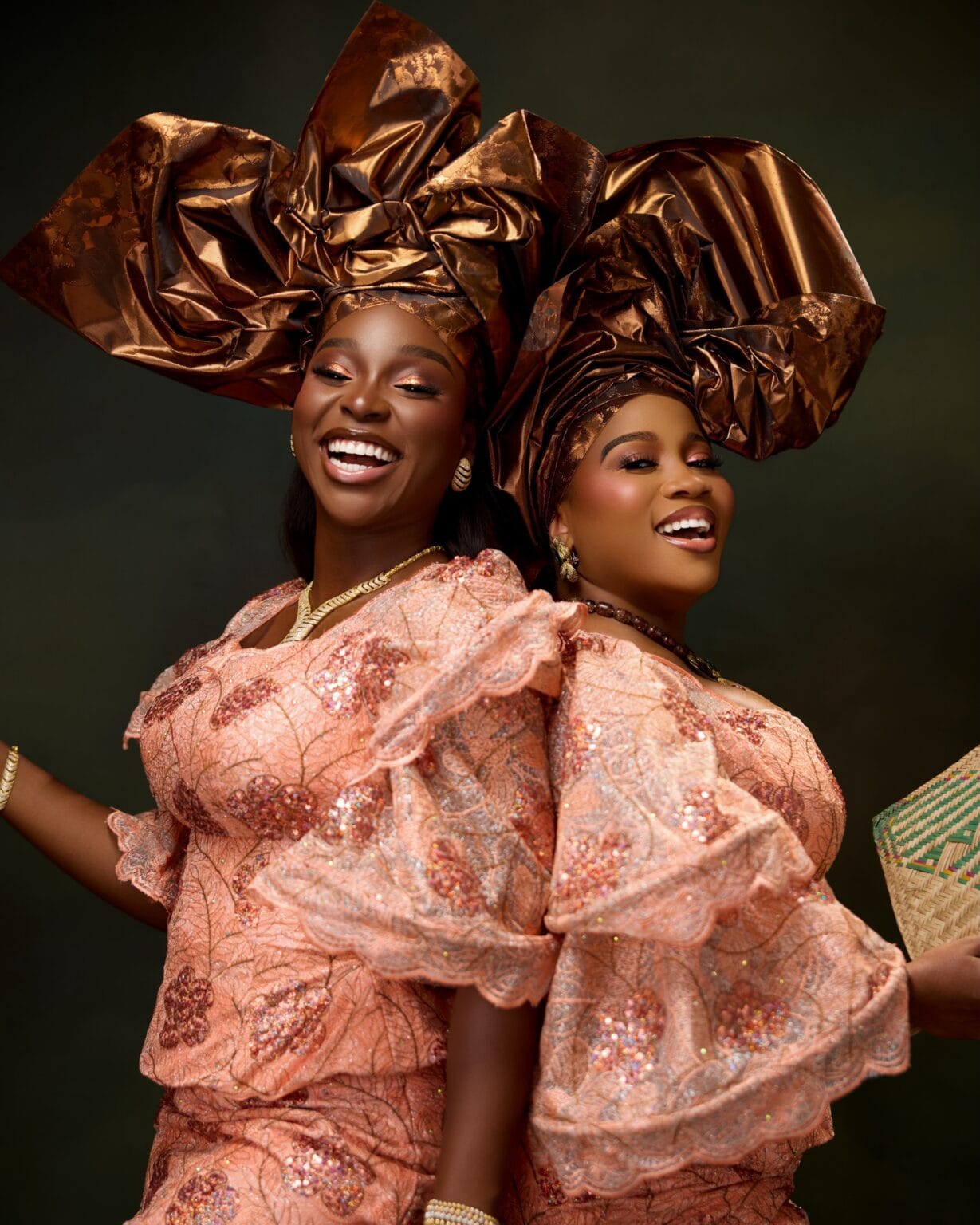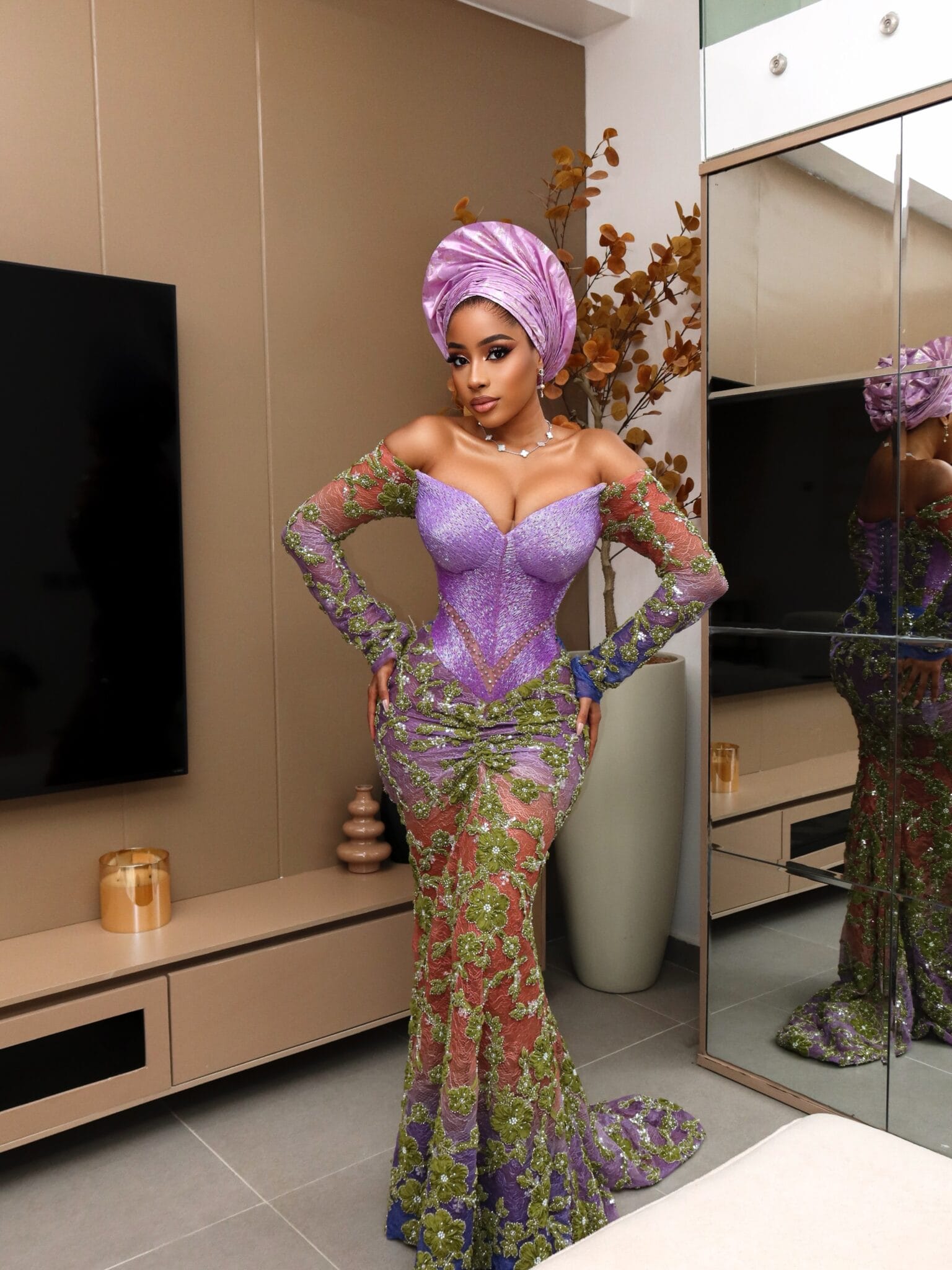





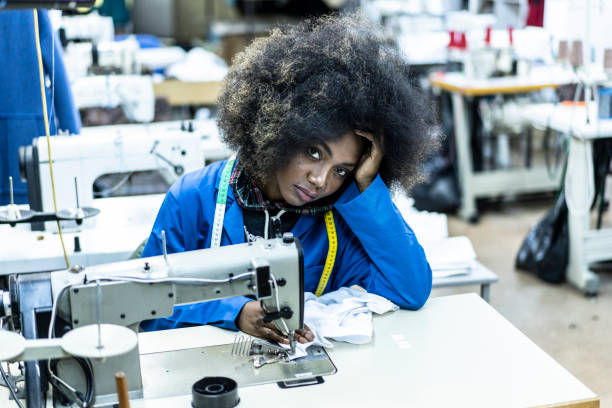
Nigerian fashion has no shortage of talented people. Walk through Balogun market, scroll through Instagram for five minutes, attend any Owambe in Lagos, and you will see creativity that can compete with anywhere in the world. But talent alone has never been enough to build a lasting business. And the proof is in how many promising fashion brands we have watched rise, shine for a moment, and then quietly disappear without explanation.
And the thing is, it was not a talent problem. Nigeria is not lacking creative people. If anything, we have too much talent. What we do not always have is the business side to match it. And that gap is exactly why so many great brands do not make it past their third year.
Dressing People Is Not the Same as Building a Brand
Let us start here because this is where most people get confused. A business takes orders and delivers. A brand makes people feel something before they even check the price. One keeps the lights on. The other builds something that lasts.
A lot of Nigerian fashion labels are stuck in order mode. Someone sends a DM, they agree on a style, they deliver, they move on to the next client. Over and over again. And while that keeps things running, it does not answer the most important question, which is, what does your brand actually stand for?
Your aesthetic is not your identity. Your fabric choices are not your story. And yes, dressing a celebrity is exciting, but it is not a strategy on its own.
Think about the Nigerian brands that have actually broken through. They are not just selling clothes. They are selling a feeling, a world, a point of view. You know what they represent before you even look at the price tag. That kind of clarity is what most brands are skipping, and it is costing them more than they realise.
Posting Your Looks Is Not a Content Strategy
Okay, this one might sting a little, but it needs to be said. Posting your finished pieces is a catalogue. It is not content. And while a beautiful catalogue has its place, it does not build trust, it does not make someone who has just discovered you feel connected enough to spend serious money with you, and it does not keep people coming back when they are not ready to buy yet.
The brands that are actually growing right now are telling stories. They are showing the process behind the work. They are talking about where the inspiration for a collection came from. They are being real about what it takes to source quality fabric in Lagos. They are letting people in.


And people respond to that because people do not just buy clothes. They buy into people. If your audience does not know who you are, they will always choose the brand they feel like they already know over you.


Content is not a bonus. Content is how you build the relationship before the sale.
Pricing Like You Are Apologising for Your Work
This part is a little uncomfortable, but we are going to talk about it anyway. So many Nigerian fashion brands are undercharging. Not because the market cannot support better prices, but because they are scared. Scared the customer will say it is too expensive. Scared they will lose the sale. Scared they are not established enough to charge what their work is actually worth.
But here is what underpricing actually does. It signals that you do not fully believe in your own value. And customers pick up on that energy whether they realise it or not.
The brands doing real business have figured out that the right customer will pay the right price. But you have to position yourself to attract that customer first. That means consistent quality, a clear brand identity, professional presentation, and the confidence to stand behind your numbers without apologising for them.
You cannot build something sustainable on rates that do not cover your costs, your time, and your growth. It just does not add up, no matter how many orders you are getting.
If Instagram Goes Down Tomorrow, What Happens to Your Business?
We have all seen Instagram act up. We have all had that moment of panic when the app goes down, and suddenly the whole internet feels broken. Now imagine if that were permanent.
For most Nigerian fashion brands, that would be a genuine crisis. Because everything lives on social media. The followers, the enquiries, the sales conversations, the client relationships. All of it is sitting on a platform they do not own and cannot control.
The move that almost nobody is making is building an audience they actually own. An email list. A WhatsApp broadcast that people opted into. A proper database of past clients that they can reach when a new collection drops.

This is not old school thinking. This is just smart. Your Instagram following is rented space. The moment the algorithm changes or the platform has a bad day, your reach takes a hit. But an email list? That is yours. Nobody can take that away from you.
What Is It Actually Costing Them?
It costs clients who have moved on to a competitor with clearer positioning. It costs press opportunities that went to brands with a stronger story to tell. It costs wholesale conversations that never went anywhere because the brand identity was not consistent enough. It costs the kind of word of mouth that no budget in the world can buy.
But most of all, it costs longevity. And in an industry as competitive and fast-moving as Nigerian fashion, longevity is everything.
None of this is too far gone to fix.
Identity can be built. Pricing can be adjusted. Better content can start today. An email list can be created this week for free. The brands that are going to define Nigerian fashion in the next ten years are not necessarily the ones with the most talent right now. They are the ones pairing that talent with intention and actually treating what they do like the serious business it is. The move is not a secret. It is just being slept on.
What do you think is the biggest business mistake Nigerian fashion brands make? Let us know in the comments.
Photo: Getty Images