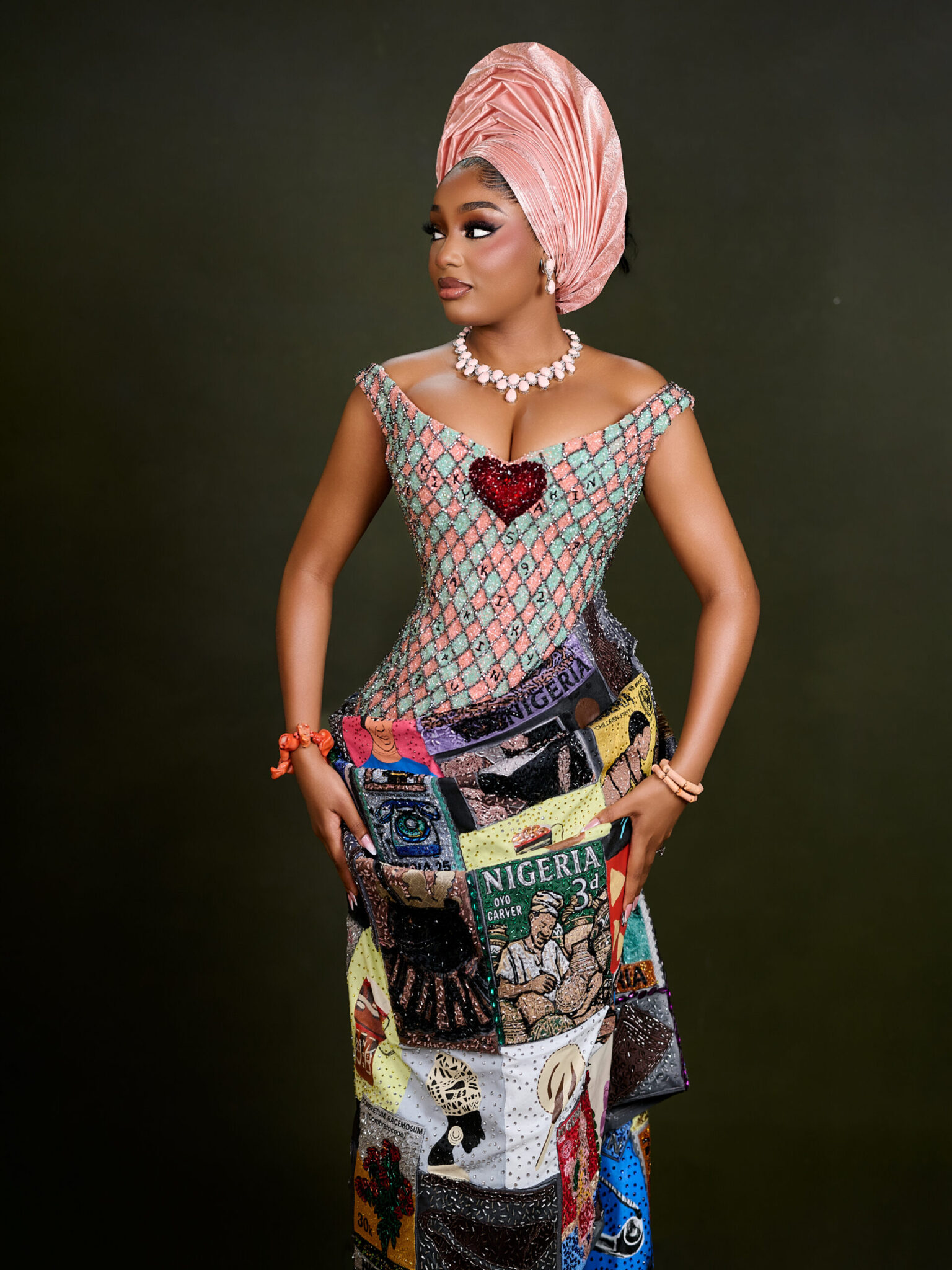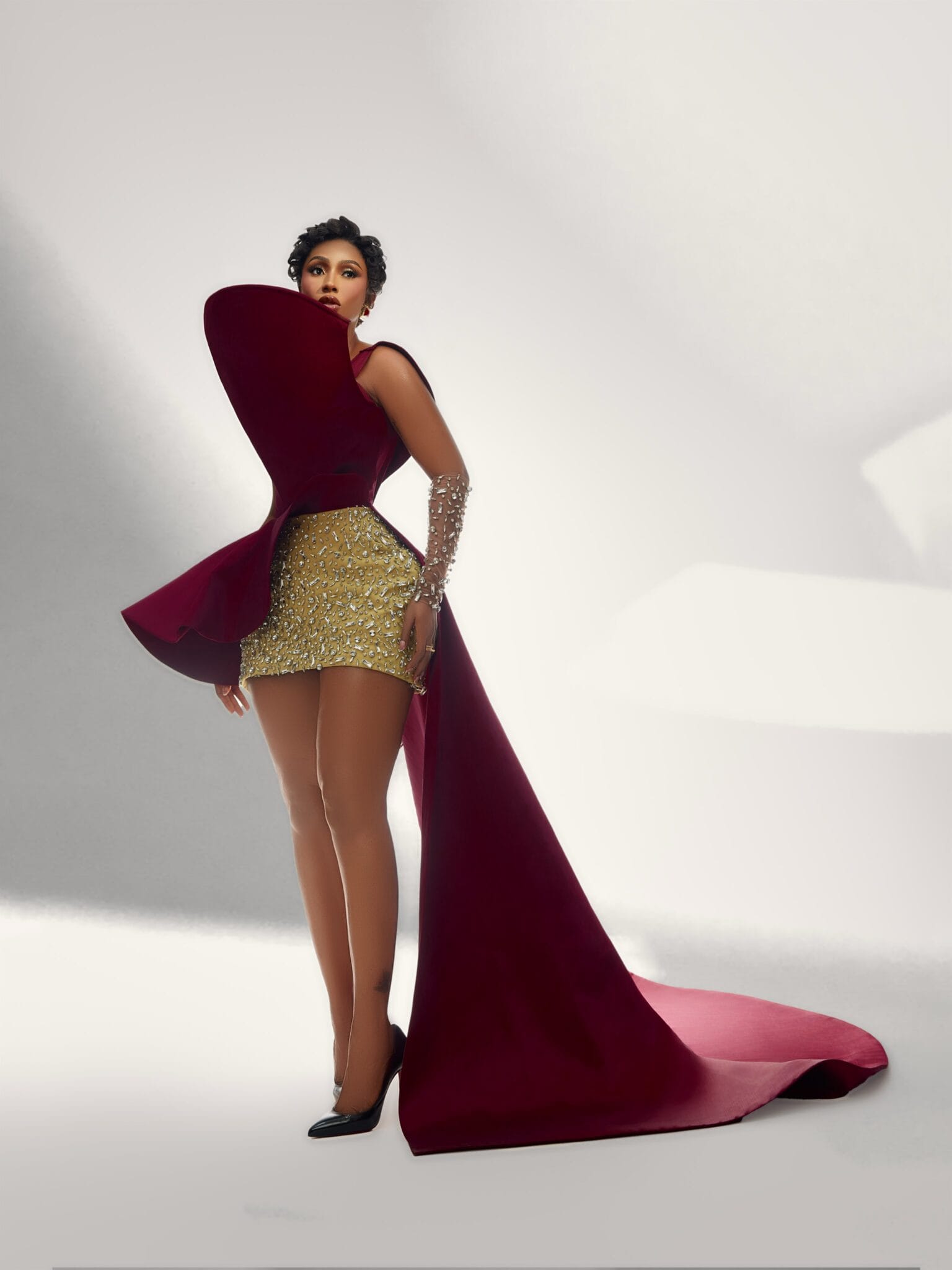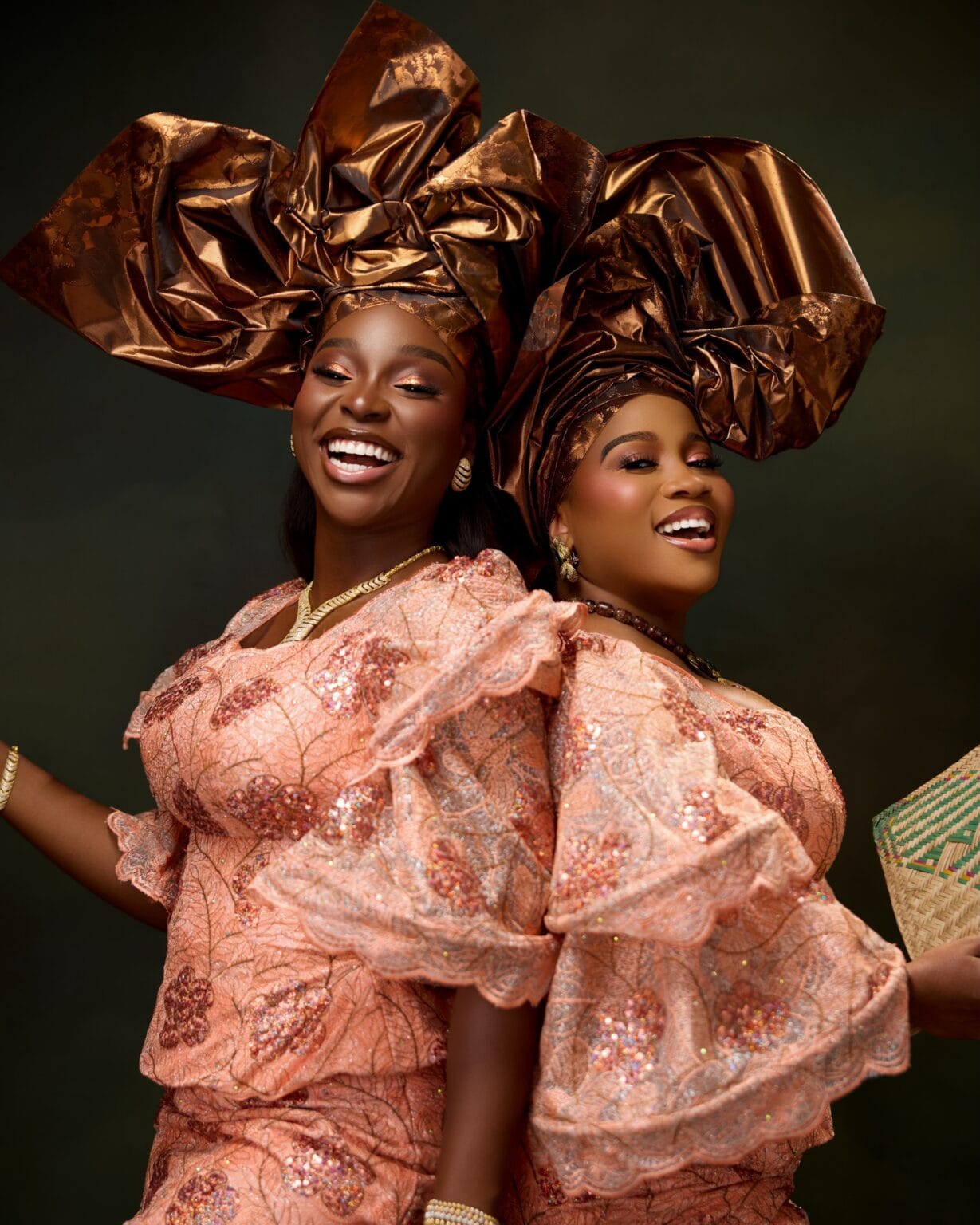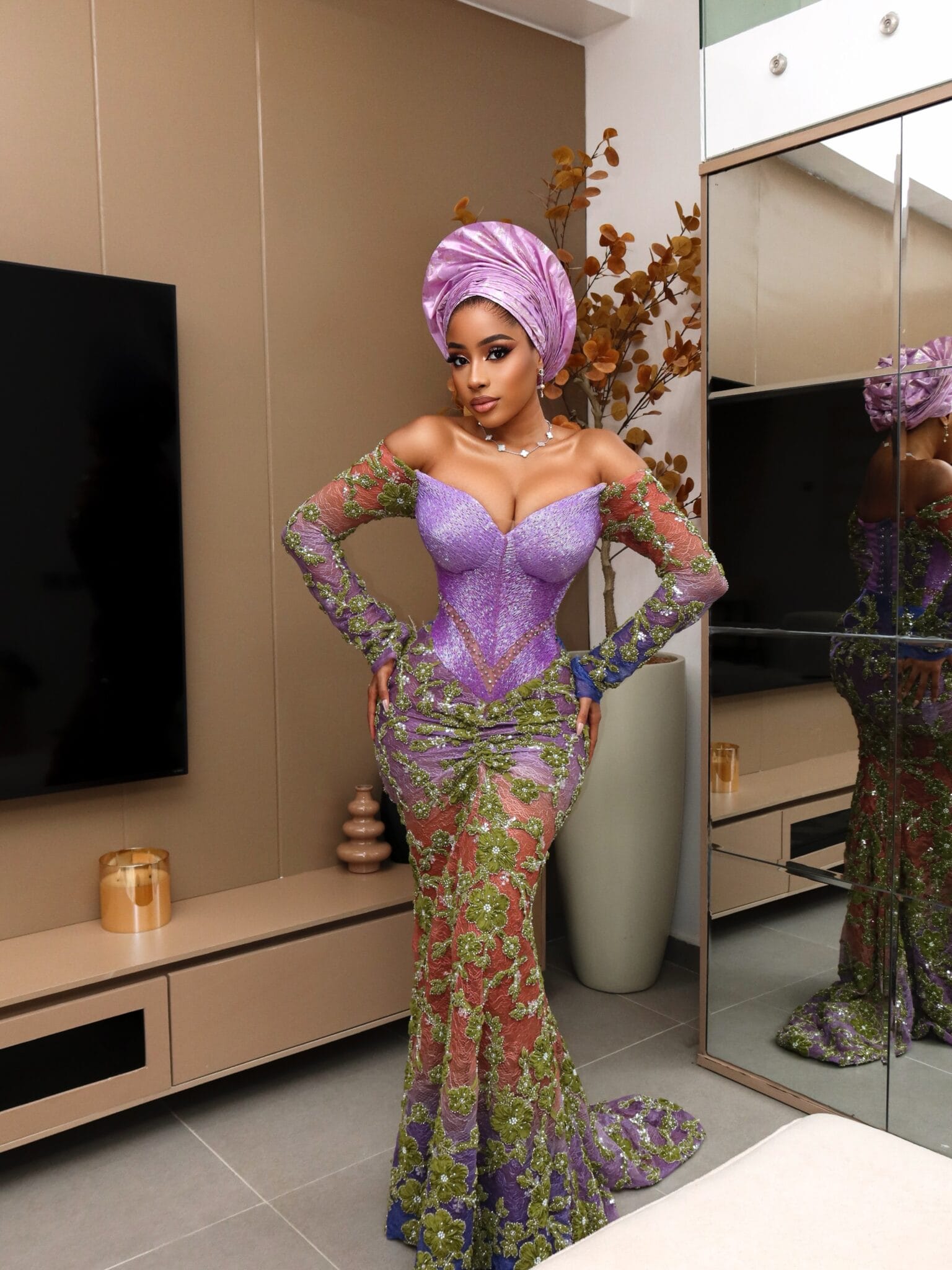





Kilentar, a Nigerian luxury womenswear brand founded by British-Nigerian designer Michelle Adepoju, recently found itself at the center of a conversation on X (formerly Twitter) after Nigerians questioned the prices of some of its pieces.
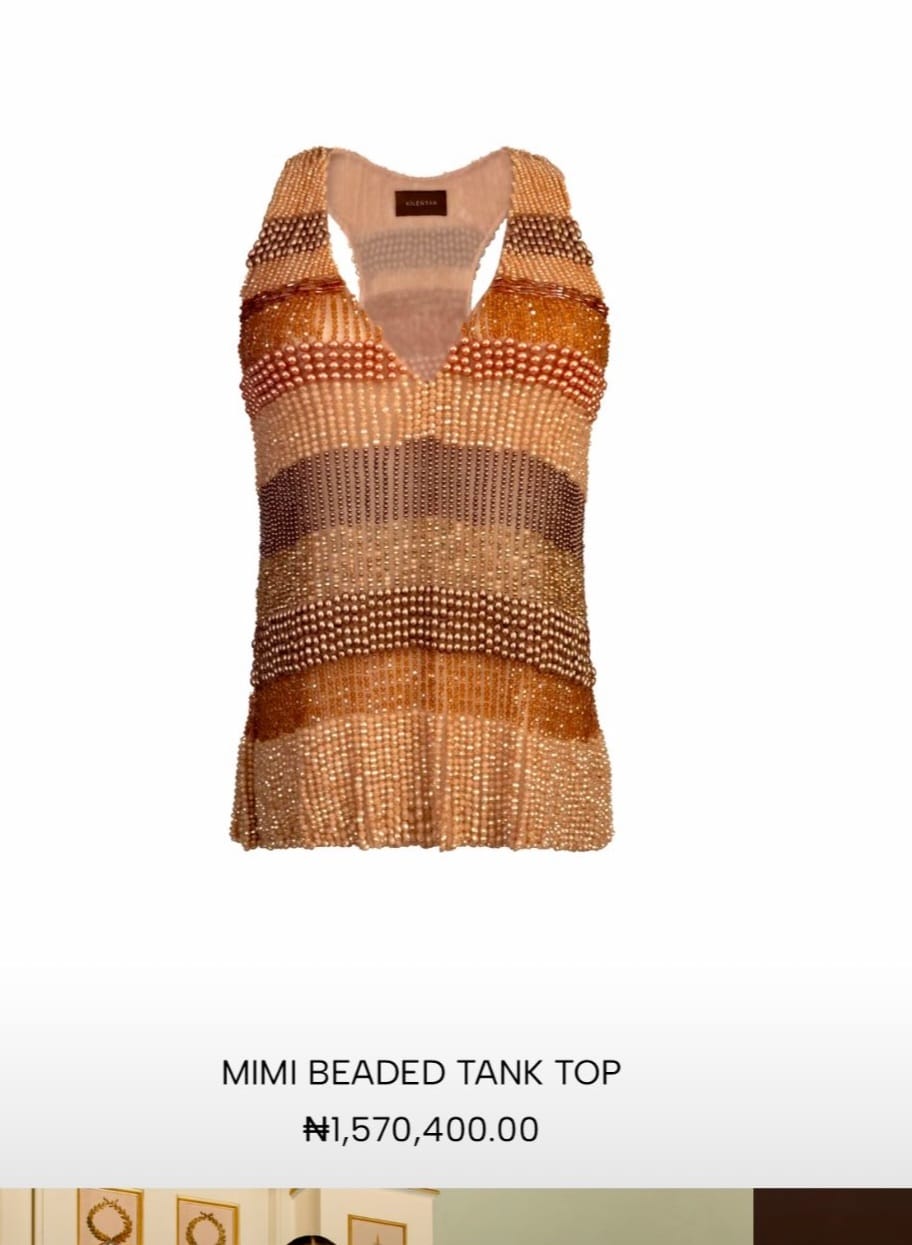
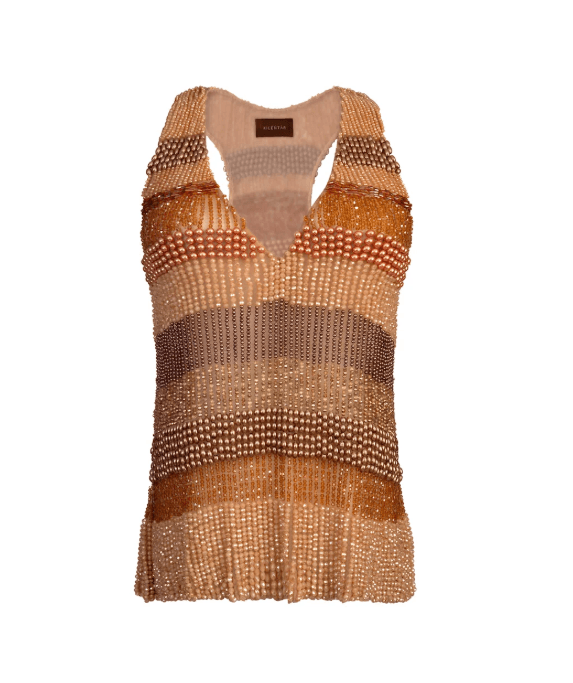
A Twitter user commented on their MIMI BEADED TANK TOP, which is sold for almost N1.6 million naira. She wrote, “Nigerian clothing brands are something else. Why should I buy this for 1.5m?”
Nigeria clothing brand are something else
Why should I buy this for 1.5m? pic.twitter.com/hIPpFhdnXo
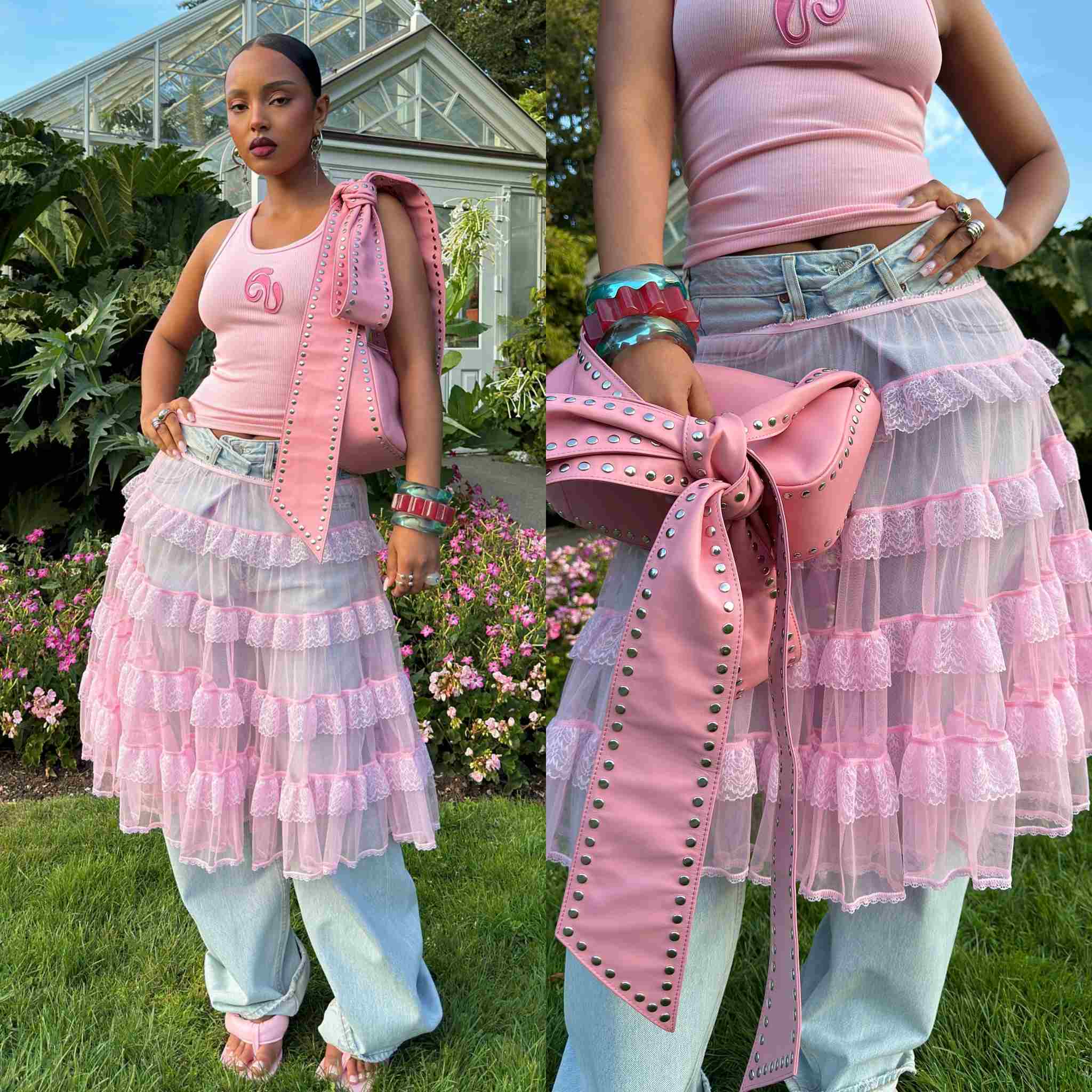
— Anita baker 🧑🍳❤️ (@Anitadebaker) August 23, 2026This is not the first time Nigerians have questioned the prices of local fashion brands. From N100,000 dresses to seven-figure sets, the price tag of some Nigerian fashion pieces can seem exorbitant. Kilentar, Hertunba, The Ladymaker, Rendoll, Kai Collective, and Riran are among Nigerian labels whose pieces can run into the hundreds of thousands or millions of naira.
Can you buy it?😭😭 pic.twitter.com/HQTINEZKuS
— YabaLeftOnline (@yabaleftonline) August 24, 2026The minimum wage in Nigeria is presently N70,000 per month. This means that a N1.5 million garment costs more than 21 times the monthly minimum wage. This has led to frustration among Nigerians, as these prices put many clothes far out of reach. It has also led some to believe they are not the target audience for these brands, as some price their designs in foreign currencies like dollars, pounds, or euros.
The frustration is understandable. But behind these staggering price tags is a fashion industry dealing with its own set of challenges. From the rising costs of materials and skilled labor to production and logistics, there are several factors that can push the price of a Nigerian-made garment into six or even seven figures.
One of the biggest factors influencing the price of these clothes is the cost of producing them. Nigerian fashion industry depends heavily on imported fabric because local textile output can’t fully meet demand. Nigeria’s textile industry was once a major force in the country’s economy, contributing significantly to the Gross Domestic Product (GDP) of the nation. However, the sector has declined drastically due to unreliable electricity supply, poor infrastructure, and the high cost of doing business in the country.
According to INDEPENDENT, a major national media organization, the Center for the Promotion of Private Enterprise (CPPE) disclosed that Nigeria’s fashion, garment-making and tailoring industry is substantially larger than the textile manufacturing segment. This simply means that Nigerian fashion brands’ demand for fabric is met with an insufficient supply from the country’s textile industry, leading them to import these fabrics, which can be expensive due to high customs duties, fluctuating exchange rates, and shipping and logistics costs.
Skilled labor drives up the price of Nigerian fashion brand clothes due to a shortage of specialized talents and the cost of detailed handcrafting and artisanal work like hand embroidery, beadwork, and custom fabric embellishments.

Inadequate infrastructure also contributes to the high pricing of the clothes from Nigerian fashion brands, as they force the designers to spend heavily on alternative power supply, logistics, and self-managed supply chains.
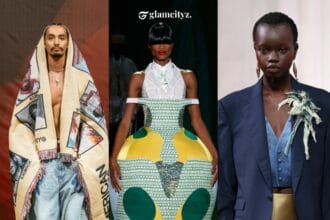

All these factors together contribute greatly to the increase in the cost of pieces from Nigerian fashion brands.
Some Nigerian fashion designers like Banke Kuku, the founder of the eponymous label, BANKE KUKU, have spoken openly on the harsh realities of manufacturing in Africa. So even if these designers wanted their designs to be affordable, they have a duty to make profits and keep the company alive. In a podcast interview with Afropolitan, the creative designer admitted that while some brands can take advantage of the present manufacturing conditions and increase their prices above a decent level, for many, it is a result of those conditions.
The responsibility of making Nigerian fashion brands more affordable does not rest solely on the shoulders of designers and their brands. Government intervention is crucial in improving infrastructure, reviving the textile industry, providing reliable power, and addressing other challenges affecting the Nigerian fashion industry. As these areas improve, the cost of production will decrease and will lead to a noticeable reduction in the prices of fashion pieces.
Written by: Adekogbe Bolu