





Have you ever looked in the mirror and wondered why your face is darker than your body, even though you take care of your skin? It is one of the most common skincare concerns in Nigeria, affecting people of all skin tones. The truth is, your face undergoes significantly more stress, exposure, and irritation than the rest of your body. Once you understand the causes, you will realise that the problem is not your routine, it is simply how the skin works.
- Why Your Face Gets Darker
- Constant Sun Exposure
- You Are Not Using Sunscreen
- Harsh Skincare Products
- Heat and Sweat
- Acne and Dark Spots
- How to Fix It and Even Out Your Skin Tone
- 1. Use Sunscreen Every Single Day
- 2. Switch to a Gentle Cleanser
- 3. Add a Brightening Serum
- 4. Moisturize Consistently
- 5. Exfoliate Once or Twice a Week
- 6. Avoid Bleaching Creams Entirely
- 7. Be Patient With Your Skin
- Final Thoughts
This is a simple, honest, and relatable guide to help you understand the causes and fix them safely.
Why Your Face Gets Darker
Constant Sun Exposure
Your face is the first thing the sun sees. While your body is protected by clothes, your face is exposed every day. UV rays trigger melanin production, which darkens the skin faster.
You may not notice the change daily, but the buildup over months and years leads to a visible difference between your face and body.
You Are Not Using Sunscreen
This is one of the biggest reasons why your face is darker than your body. Many people still believe dark skin does not need sunscreen, but UV rays affect everyone.
Even walking around your compound, going to work, or cooking near a window exposes your face to UV radiation. Without sunscreen, the face darkens much faster.
Harsh Skincare Products
Many people wash their faces with the same bar soap they use for their bodies. Others use strong toners, bleaching cream, or random “organic” mixtures that burn and irritate the skin.
When the skin barrier on your face gets damaged, your skin becomes inflamed, textured, and darker. Meanwhile, your body skin stays protected and smooth.

Heat and Sweat
Nigeria is hot. Heat triggers melanin production, which leads to darkening, especially around the forehead and cheeks. Sweating makes it worse.

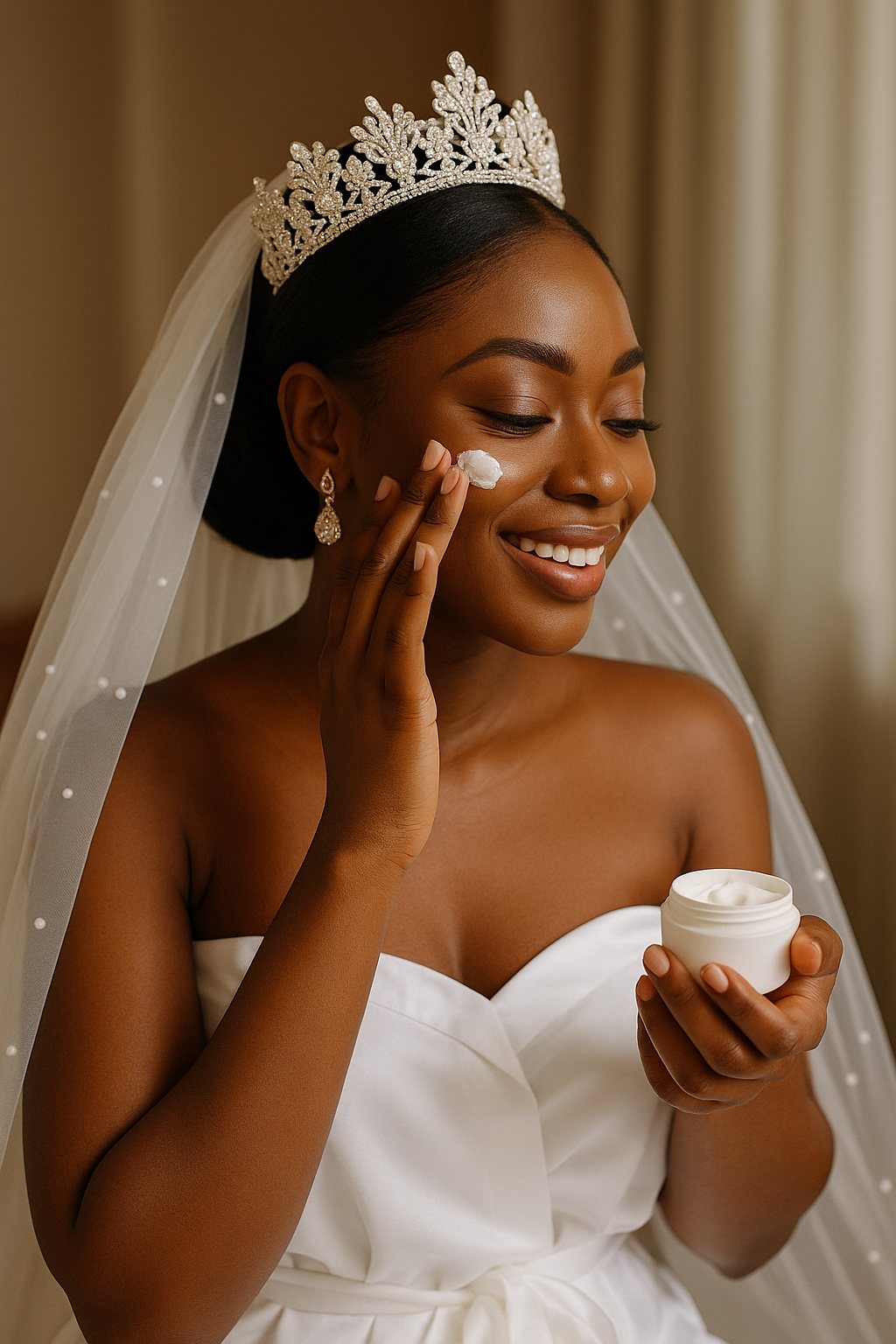
Even if you stay indoors, humidity and heat can still affect your face more than your body.
Acne and Dark Spots
Acne scars and hyperpigmentation take much longer to fade on the face compared to the body. If you pick your pimples, the marks become even darker.
After a while, these patches blend and create the appearance of a darker face.
How to Fix It and Even Out Your Skin Tone
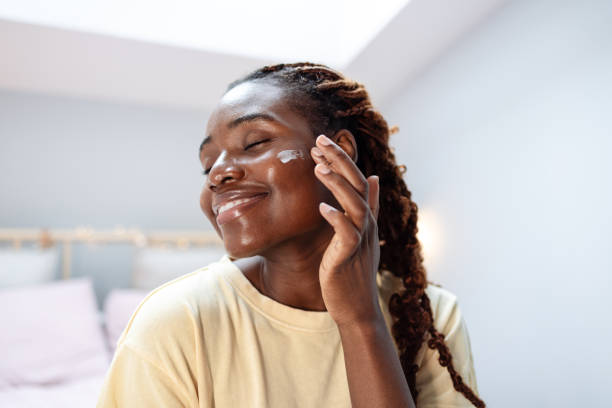
Now that you know why your face is darker than your body, here is a step-by-step guide to help you brighten your face safely and gradually.
1. Use Sunscreen Every Single Day
Sunscreen is not optional. If you truly want your face to match your body, this is the number one step.
- Choose a sunscreen that does not leave a white cast
- Apply every morning
- Reapply if you are outside for a long time
Sunscreen prevents further darkening and allows your brightening products to work.
2. Switch to a Gentle Cleanser
Stop using harsh bar soaps or strong facial cleansers.
Your cleanser should:
- Be mild
- Not strip your face
- Not burn or sting
A gentle cleanser helps your skin repair itself and slowly return to its original tone.
3. Add a Brightening Serum
Serums are powerful and help fade discoloration. Look for safe ingredients like:
- Vitamin C
- Niacinamide
- Alpha arbutin
- Kojic acid (low strength)
These ingredients brighten the skin evenly without bleaching.
4. Moisturize Consistently
When the skin is dry, it looks dull and darker. Use a lightweight moisturizer morning and night.
Moisturized skin heals faster and stays glowing.
5. Exfoliate Once or Twice a Week
Chemical exfoliants gently remove dead skin and help fade dark areas.
Good options include:
- Lactic acid
- Mandelic acid
Avoid rough scrubs and hard sponges. They cause tiny injuries that make the face darker.
6. Avoid Bleaching Creams Entirely
Bleaching products thin the skin, cause redness, green veins, and long-term damage. Once you stop using them, your face gets even darker.
Safe brightening is the goal, not bleaching.
7. Be Patient With Your Skin
Balancing your skin tone takes consistency. With the right routine, most people start seeing improvements within four to eight weeks.
Your scars fade gradually, your glow returns, and your face begins to match your body again.
Final Thoughts
If you have been worrying about why your face is darker than your body, remember that it is not your fault and it is completely fixable. Your face simply goes through more sun, more heat and more irritation than your body. Once you give your skin the right care, it will respond beautifully.
The goal is not to change your skin tone. The goal is to achieve a healthy, even complexion that makes you feel confident.