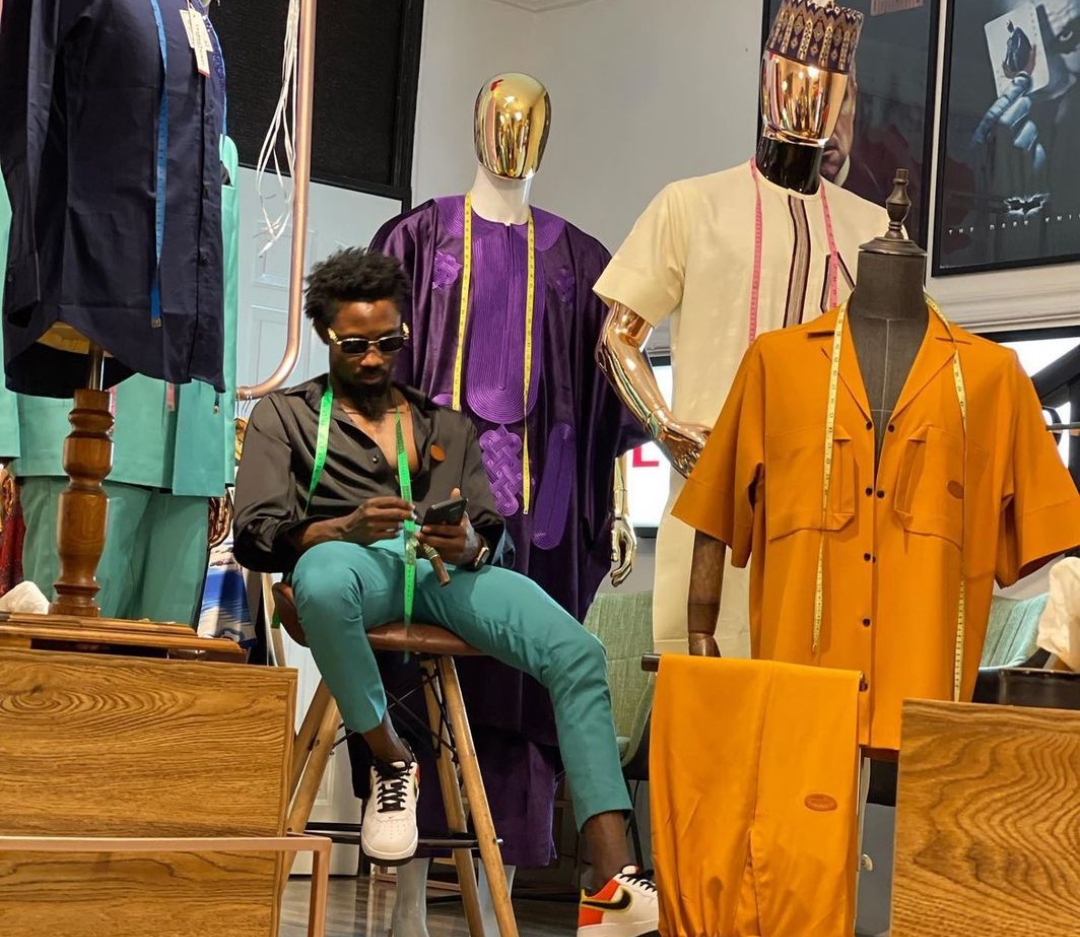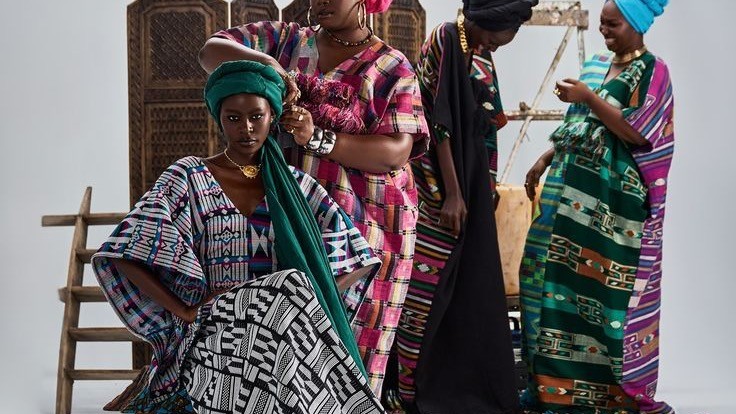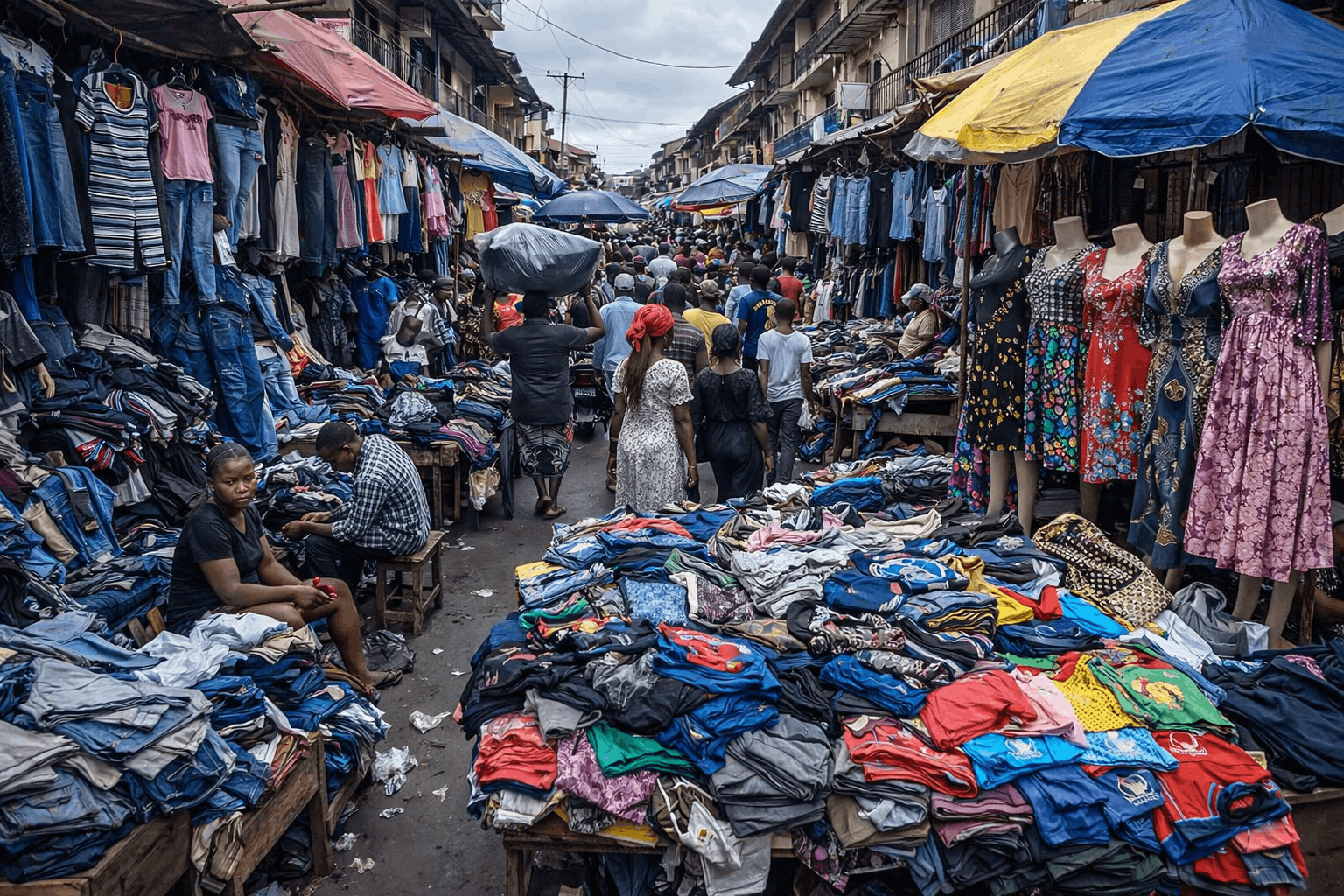






Nigerian fashion brands are quietly changing how they run their businesses. Not because structure suddenly became fashionable, but because chaos became expensive.
- Fashion Brands Were Growing, But Their Systems Were Not
- Why Bumpa Fits Into Fashion So Easily
- Moving Beyond Instagram Dependence
- Better Pricing Discipline and Professionalism
- Data That Helps Brands Think, Not Guess
- Helping Brands Grow Beyond the Founder
- Not a Fashion App, But a Fashion Enabler
- Editor’s note:
As demand grew through Instagram and WhatsApp, many designers realised that creativity alone could no longer carry the business. Orders were getting mixed up. Payments were harder to track. Customers expected faster responses and clearer processes. The chaos was quiet, but costly.
I saw this up close when a friend tried to set up an online store for his fashion business. He explored familiar options like Wix, but the process felt heavier than expected. Eventually, we tried Bumpa. That moment made something clear.
This is the environment where tools like Bumpa found relevance. Not through loud marketing or fashion partnerships, but by solving everyday problems, Nigerian fashion brands were already tired of managing manually.
How Fintech Is Quietly Powering Nigeria’s Fashion Industry in 2026
Fashion Brands Were Growing, But Their Systems Were Not
For years, many Nigerian fashion businesses operated entirely through DMs and WhatsApp chats. Orders were taken in conversations. Measurements were saved in phones. Payments were confirmed manually. Records lived in notebooks, screenshots, or memory.
This worked when the order volume was small.
But as brands became more visible, the cracks widened. Missed orders, delayed deliveries, forgotten deposits, and pricing inconsistencies became common. The business looked busy, but behind the scenes, it was fragile. What many designers needed was not more customers. They needed structure.

Why Bumpa Fits Into Fashion So Easily
Bumpa did not position itself as a fashion solution. That is part of why fashion brands adopted it so easily. It addressed core business needs that designers were already struggling with: organising products, tracking orders, managing customers, and monitoring payments. These are not glamorous problems, but they determine whether a brand survives growth.


For Nigerian fashion brands, Bumpa quietly replaced scattered workflows with a central system. Orders stopped living only in chats. Customer details became searchable. Payment records became clearer.
The brand began to function even when the founder was offline.
Moving Beyond Instagram Dependence
Instagram remains a powerful discovery tool for Nigerian fashion brands. But discovery is not the same as operation.
Many designers learned this the hard way. A strong post could drive demand, but fulfilling that demand required organisation. Bumpa allowed brands to separate visibility from execution.
Instagram brought customers in. Bumpa helped brands manage what came next. This separation reduced pressure on founders and made growth feel less chaotic.
Better Pricing Discipline and Professionalism
One subtle benefit of using structured tools is how they influence pricing behaviour.
When products, services, and costs are properly documented, emotional pricing becomes harder to justify. Brands begin to see patterns. Which items are profitable? Which clients are draining? Which services take more time than they pay for?
This clarity encourages more confident pricing and more professional customer interactions. Invoices replace informal messages. Payment terms become clearer. Boundaries improve. The brand starts to feel less like a hustle and more like a business.
Data That Helps Brands Think, Not Guess
Another quiet advantage is data. Many Nigerian fashion brands operate on intuition alone. While instinct is valuable, it often hides inefficiencies. Tools like Bumpa allow brands to see trends in orders, customer behaviour, and revenue.
This visibility helps founders make better decisions. What to focus on. What to stop offering. When to slow down. When to expand. Growth becomes intentional, not reactive.
Helping Brands Grow Beyond the Founder
One of the biggest challenges in Nigerian fashion is founder dependency. Everything runs through one person.
By introducing structure, Bumpa reduces this pressure. Staff can manage orders. Records are accessible. Processes are clearer. The brand does not collapse when the founder steps away. This shift is critical for any fashion business that wants to last.
Not a Fashion App, But a Fashion Enabler
Bumpa did not become relevant to Nigerian fashion by chasing the industry. It became relevant by solving problems fashion brands already had.
In an ecosystem where creativity often outpaces structure, tools that quietly support organisation, clarity, and professionalism matter.
Bumpa’s role in Nigerian fashion is not loud. It does not define aesthetics or trends. But it supports the systems that allow brands to grow without breaking.
As Nigerian fashion continues to mature, the brands that last will not be the loudest. They will be the ones built on structure, discipline, and tools that work quietly in the background. That is how Bumpa became part of the backbone of Nigerian fashion brands, without trying to be the star.
Editor’s note:
This article reflects ongoing observations of how Nigerian fashion brands are adapting to growth, visibility, and operational pressure. It is not an endorsement of any platform, but an examination of how structure is quietly reshaping the business side of fashion.