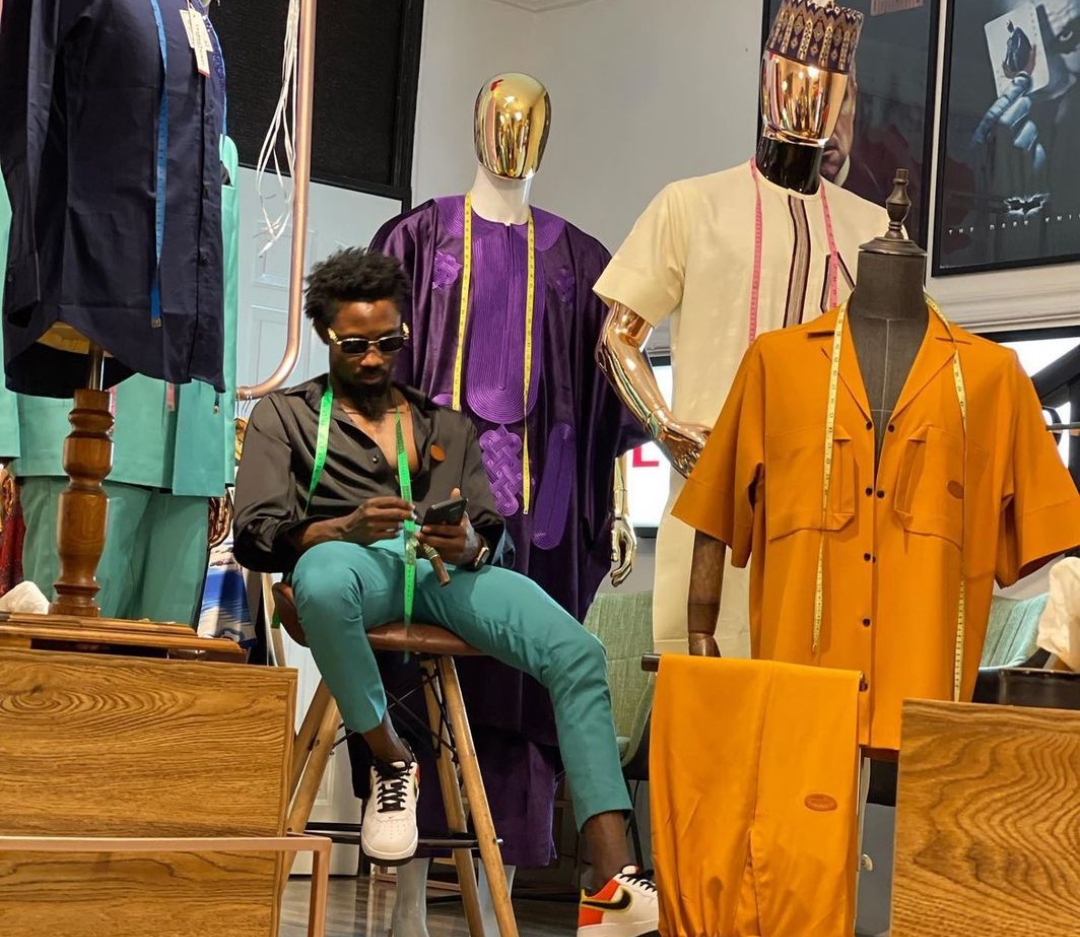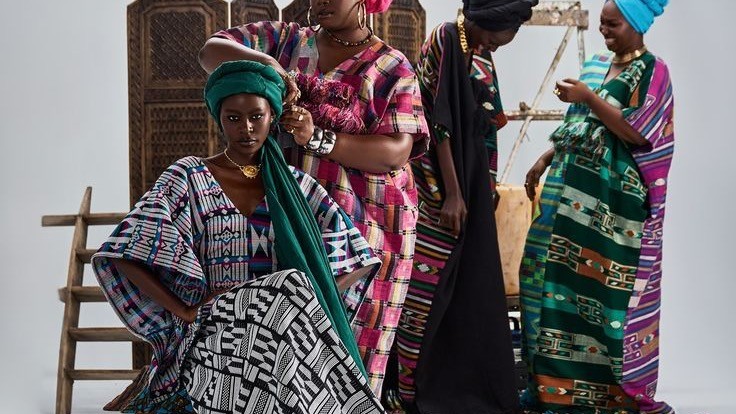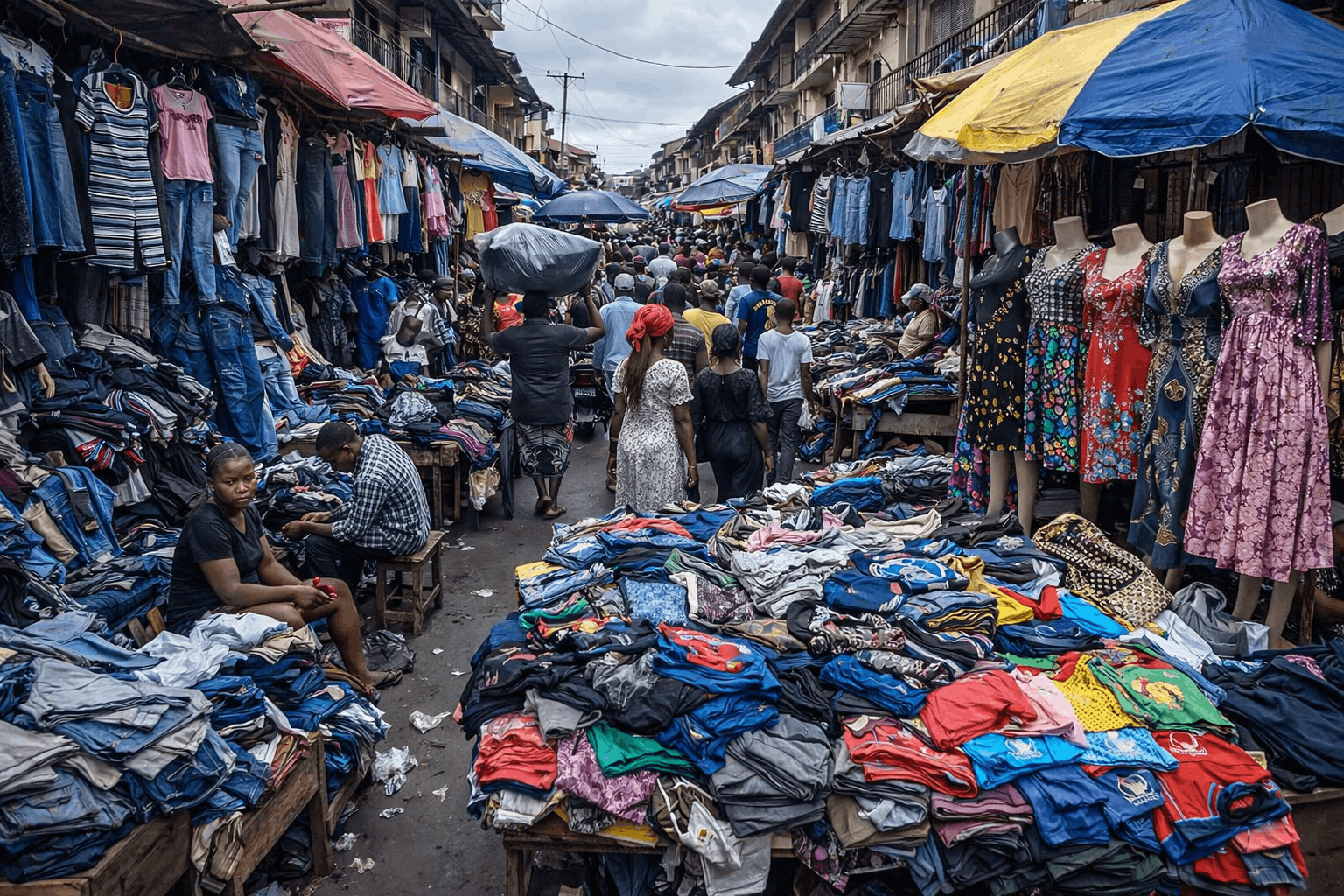





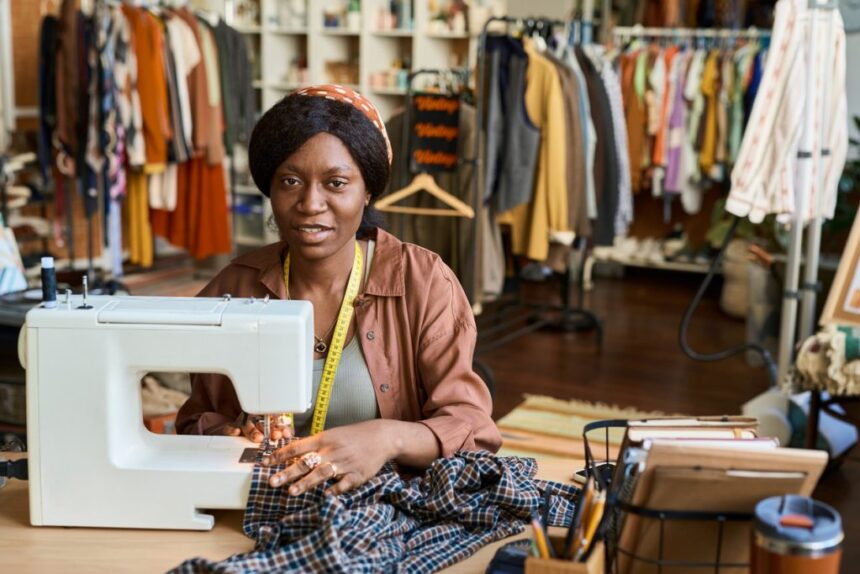
Tiredness has become a quiet constant in the Nigerian fashion industry, especially among the designers and tailors we interact with every day. The ones in small shops along the road, in crowded markets, inside rented rooms, or behind noisy sewing machines. Their exhaustion is not only physical. It is mental, emotional, and deeply structural.
From the outside, it often looks like things are going well. Clothes are being sewn. Customers are coming in. Machines are running. Weddings, birthdays, and events never stop. But beneath the activity is a system that places enormous pressure on the people doing the actual work.
One major reason fashion designers and tailors in Nigeria are tired is that they are expected to carry everything. In many small and medium fashion businesses, the designer is also the tailor, the cutter, the fitter, the customer service desk, and the quality control officer. There is rarely any help. When there is help, it is often informal and underpaid. Every mistake, delay, or misunderstanding falls back on the same person.
Underpricing makes this worse. Many tailors and designers charge far less than the true cost of their labour. Customers negotiate aggressively, compare prices across shops, and expect speed and perfection at the same time. To meet these expectations, tailors work longer hours, rush production, and sacrifice rest. The price of affordability is exhaustion.
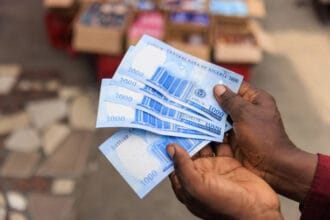
Payment issues add another layer of stress. It is common for tailors to begin work with partial payment or no payment at all, trusting that the balance will come later. When clients delay or disappear, the tailor absorbs the loss. Even when payment eventually comes, the stress of chasing money drains energy and focus.

The custom nature of Nigerian fashion puts constant pressure on tailors. Measurements change. Body sizes fluctuate. Styles are adjusted mid-way. Clients return for multiple fittings, often with new requests. Many of these changes are expected to be accommodated without additional payment or extended timelines.
Social media has increased demand but also increased pressure. Tailors are expected to be available at all hours, respond quickly to messages, and maintain a pleasant tone no matter the stress. Silence is interpreted as laziness or poor service. Boundaries are blurred, and rest becomes difficult.
There is also emotional labour that is rarely acknowledged. Tailors manage customer anxiety, event pressure, and last-minute panic, especially around weddings and celebrations. They carry the weight of making people look good on important days, often without appreciation for the strain involved.

Many tailors remain stuck in daily execution. They sew, adjust, fix, and respond constantly, leaving little time to step back and improve their processes or pricing. Hiring help feels risky. Training apprentices takes time. Letting go of control feels dangerous when reputation is everything.

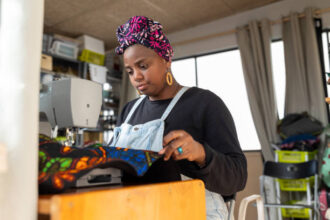
The result is an industry full of skilled designers and tailors who are always tired, not because they lack passion, but because the structure around their work offers little protection. Hustle is praised, but sustainability is ignored.
Fashion designers and tailors in Nigeria are tired because the system demands constant output without adequate support. Until pricing improves, payments are structured, boundaries are respected, and systems are built, exhaustion will remain normal.
Tiredness should not be part of the job description. Creativity deserves rest. And the tailors behind Nigerian fashion deserve better conditions to do their work well.