


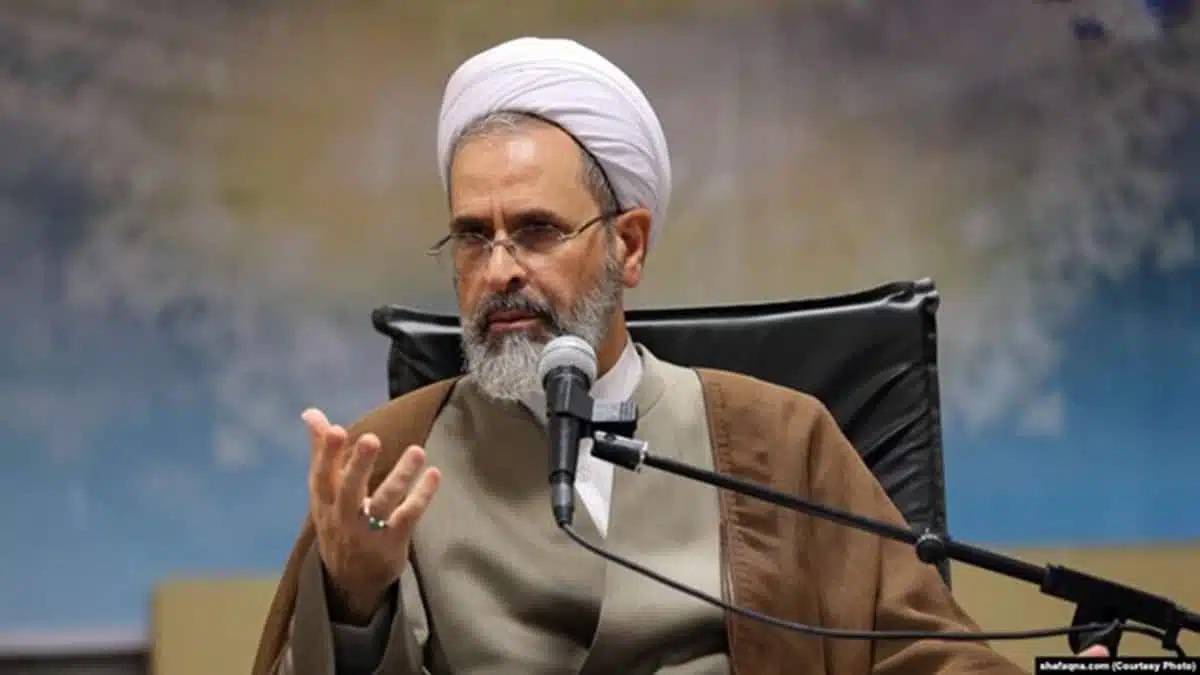


Iran has entered a new chapter in its political and religious leadership following the death of Supreme Leader Ayatollah Ali Khamenei. As of March 1, 2026, Ayatollah Alireza Arafi has been appointed as the acting clerical member of the temporary leadership council now overseeing the Supreme Leader’s duties.
This transition is taking place under Article 111 of the Iranian Constitution, which provides for a provisional leadership body in the absence of a Supreme Leader. Until the Assembly of Experts officially selects a new permanent leader, this council, now including Arafi, will hold the reins of Iran’s most powerful position.
A Sensitive Moment in Iranian History
With Khamenei’s death, the political landscape in Iran faces a delicate transition. Arafi’s appointment places him at the centre of this moment, tasked with navigating the country through an uncertain but pivotal period.
Known for his deep ties across Iran’s power structures—from the military and judiciary to the religious seminaries—Arafi is seen as a stabilising figure in a time when the nation’s future leadership is still being decided.
Who is Ayatollah Alireza Arafi?
To understand the significance of this appointment, here are 10 key facts about Iran’s acting Supreme Leader:
- Early Life:
Born in 1959 in Meybod, Yazd Province, Arafi began his religious education early, completing primary school while simultaneously starting seminary training in Qom, Iran’s religious capital. - Faith and Jurisprudence:
Arafi practices Islam (Twelver Shi’a) and adheres to Ja‘fari jurisprudence, rooted in the Usuli tradition. - Multidisciplinary Scholar:
Beyond religious studies, he pursued Arabic, English, mathematics, and philosophy—an unusual combination that underscores his intellectual range. - Islamic Law Expert:
He holds the rank of mujtahid, reflecting his high expertise in Islamic jurisprudence. Arafi has written extensively on education law, Islamic philosophy, and social issues, with works such as Education Jurisprudence (Al-Fiqh Al-Tarbawi). - Global Educator:
From 2008 to 2018, he served as President of Al-Mustafa International University, a key institution that trains clerics and Islamic scholars worldwide. - Religious Leadership:
Since 2015, he has served as the Friday Prayer Imam in Qom, a prestigious role that connects him directly with Iran’s religious community. - Seminary Leader:
In 2016, he was appointed head of Iran’s nationwide seminary system, guiding the religious education of future Shi’a clerics. - Respected Ayatollah:
The title Ayatollah is reserved for high-ranking Shi’a clerics with advanced theological standing, and Arafi holds this with authority. - Constitutional Oversight:
He has been a member of Iran’s Guardian Council since 2019, helping vet laws and supervise national elections. - Assembly of Experts:
Since 2022, Arafi has also served on the Assembly of Experts—the same body that will now determine Iran’s next permanent Supreme Leader.