




When Spain defeated Argentina 1-0 to lift the 2026 FIFA World Cup trophy, football was naturally the centre of attention. The victory marked another unforgettable chapter in Spain’s football history, rewarding a tournament filled with discipline, consistency, and moments of brilliance. Around the world, fans celebrated the new champions, while millions reflected on the goals, saves, and stories that defined the competition.
- The World Cup Is Bigger Than Football
- The Louis Vuitton Trophy Trunk Became Part of the Story
- Spain’s Victory Was Also a Win for Adidas
- The Competition Extended Beyond the Pitch
- Footballers Have Become Global Style Icons
- Football Shirts Have Become Fashion Pieces
- Social Media Turned Every Fashion Moment Into Global Content
- Fashion Is Now Part of Football’s Biggest Moments
But beneath the celebrations was another success story that had little to do with tactics or trophies.
The 2026 FIFA World Cup fashion story was almost as captivating as the football itself. While Spain celebrated its victory over Argentina and lifted the famous trophy, luxury houses, sportswear brands, designers, and athletes were also shaping a global conversation about style. What was once simply a sporting event has evolved into a cultural spectacle where fashion is no longer a supporting act. It has become part of the main event.
The World Cup Is Bigger Than Football
The FIFA World Cup has always had the power to bring people together, but today’s tournament extends far beyond what happens during ninety minutes on the pitch.
For brands, it is one of the largest marketing opportunities in the world. For designers, it is a chance to place their work in front of billions of viewers. For athletes, it has become another platform to express their personality, while for fans, it has become an event that influences not only how they support their teams but also how they dress.
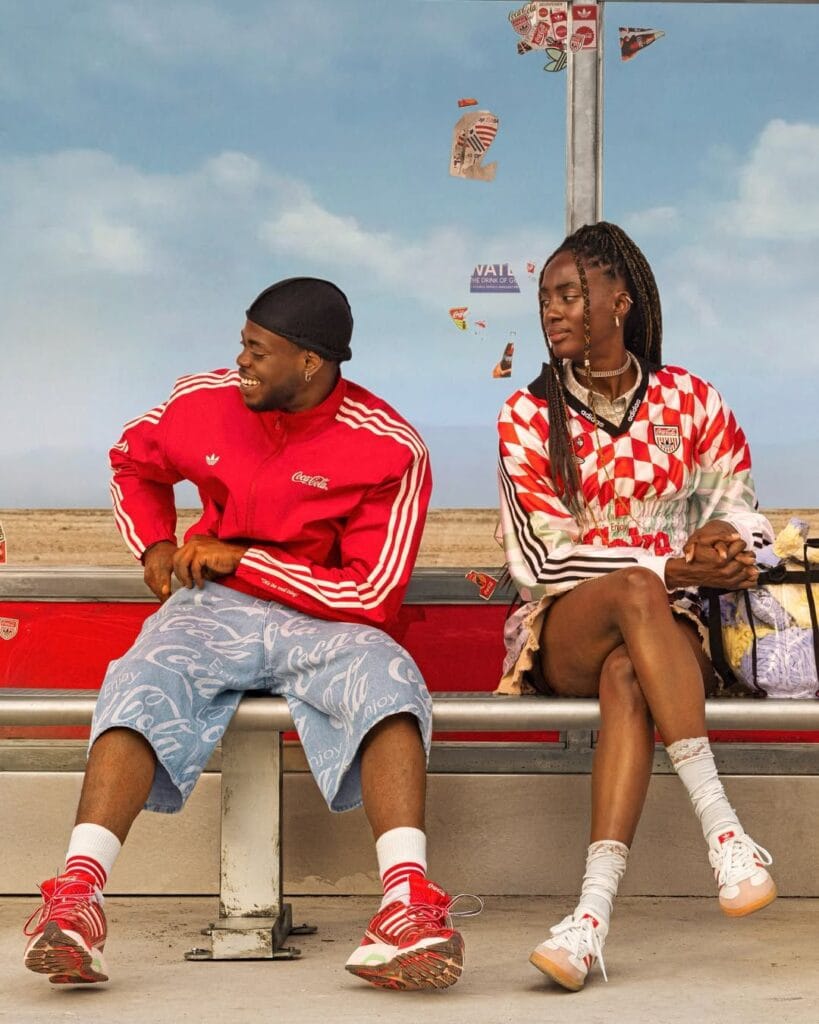
This shift reflects the growing relationship between sport and fashion. The two industries no longer operate independently. They influence one another, creating moments that travel far beyond stadiums and into popular culture. The rise of 2026 FIFA World Cup fashion perfectly reflected this evolution, as luxury brands, sportswear companies, and designers became just as visible throughout the tournament as the players themselves.
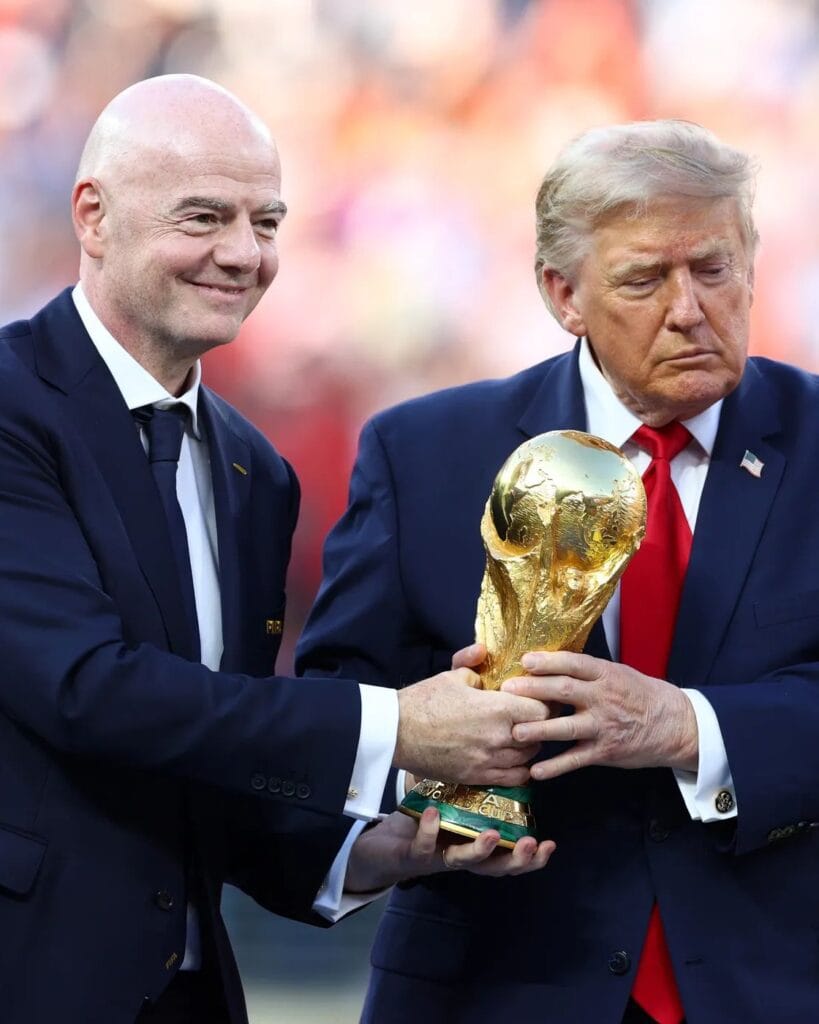
Perhaps no image captured that evolution better than the arrival of the FIFA World Cup Trophy.
The Louis Vuitton Trophy Trunk Became Part of the Story
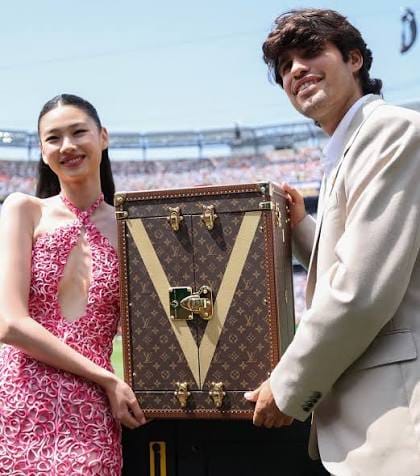
Before the final even kicked off, one of the tournament’s most memorable visuals had already unfolded.

The FIFA World Cup Trophy arrived inside a custom-made Louis Vuitton Trophy Trunk, continuing the luxury fashion house’s long-standing partnership with FIFA. Designed using Louis Vuitton’s signature craftsmanship and instantly recognisable monogram canvas, the trunk transformed the simple act of carrying the trophy into a carefully choreographed moment of luxury and prestige.

It would have been easy to dismiss it as just an elegant case, but it represented something much bigger.
The world’s most famous football trophy was introduced not simply as a prize waiting to be won, but as an object of heritage, craftsmanship, and global prestige. In many ways, the Louis Vuitton trunk symbolised how luxury fashion has become part of football’s visual identity. Every photograph of the trophy, every television broadcast, and every social media post featuring that moment also placed one of the world’s biggest fashion houses at the centre of the conversation.
Spain’s Victory Was Also a Win for Adidas
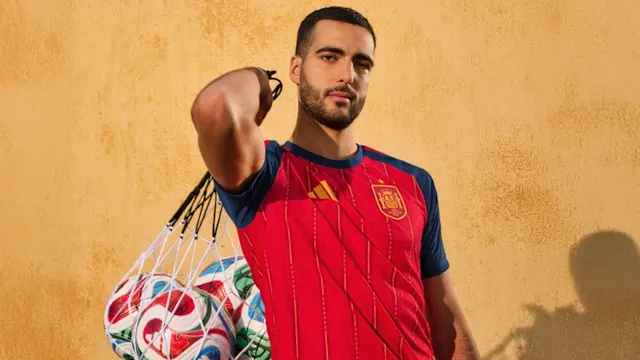
When Spain celebrated becoming world champions, another winner quietly shared the spotlight.
The Spanish national team lifted football’s most prestigious trophy wearing Adidas, giving the German sportswear company one of the most valuable moments any brand could hope for.
Every celebration inside the stadium, every medal ceremony, every team photograph, and every image shared across newspapers, television broadcasts, and social media became a lasting reminder of the brand behind the champions.
That is one of the unique powers of the World Cup. Winning teams become part of football history, and so do the jerseys they wear. Fans rush to buy them, collectors preserve them, and years later they continue to represent unforgettable moments in sport.
For Adidas, Spain’s victory was more than another successful sponsorship. It was a global showcase of its brand on football’s biggest stage.
The Competition Extended Beyond the Pitch
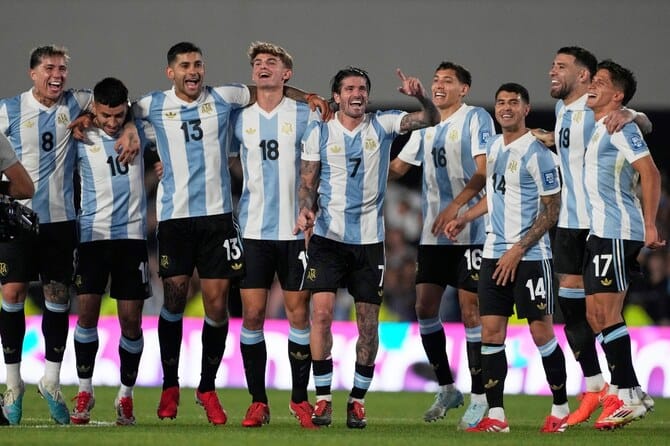
While supporters watched nations compete for football’s highest honour, another contest was unfolding in the background.
Some of the world’s biggest sportswear companies were competing for visibility.
Spain, Argentina, and Germany all wore Adidas kits during the tournament, reinforcing the company’s strong presence among football’s elite nations. France and England represented Nike, while Portugal and Morocco wore Puma, ensuring that three of the world’s largest sportswear brands remained visible throughout the competition.
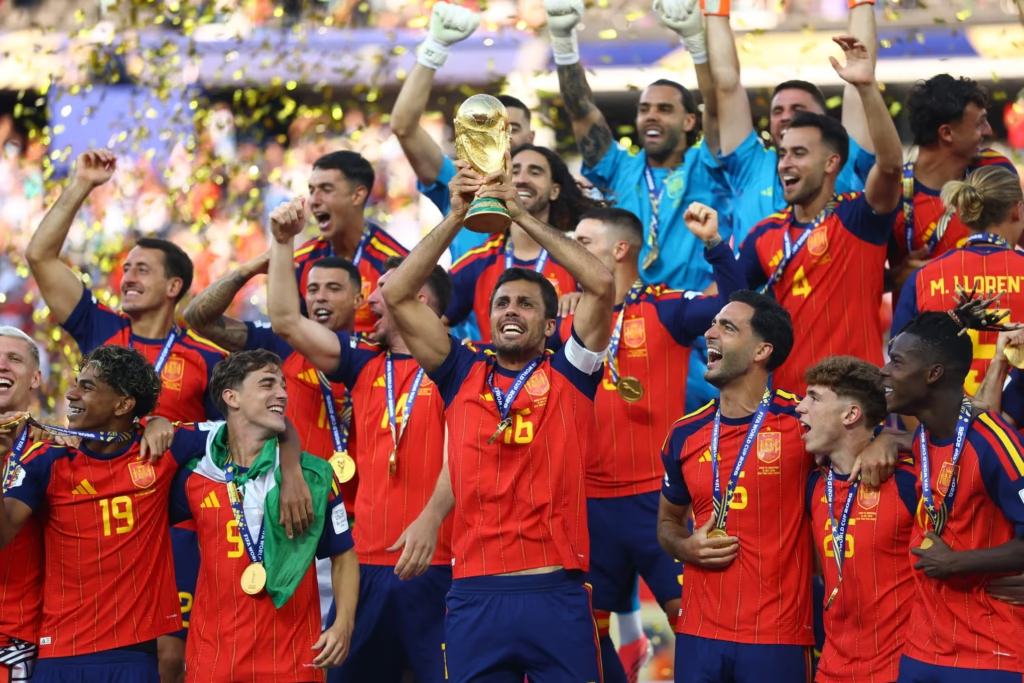
Every dramatic goal, emotional celebration, and unforgettable victory became valuable exposure. Unlike traditional advertising campaigns that last only a few weeks, World Cup moments remain part of football history. Images from the tournament are revisited for years, allowing the brands behind those iconic jerseys to benefit long after the final whistle.
The tournament reminds us that sportswear companies are not simply manufacturing kits. They are investing in stories, emotions, and moments that shape how fans remember football.
Footballers Have Become Global Style Icons
Footballers are no longer recognised only for what they do during matches.
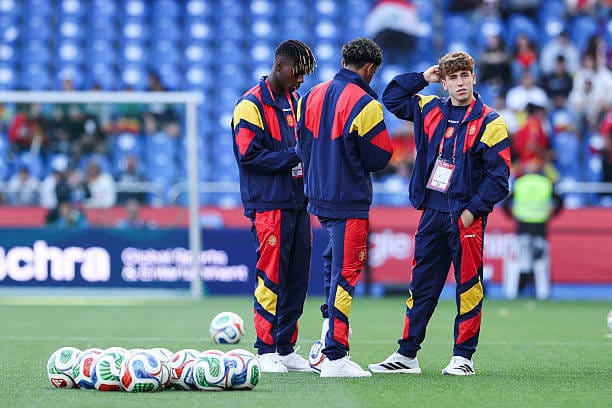
Today’s players influence fashion almost as much as they influence sport. Throughout the World Cup, cameras followed players from the moment they stepped off team buses. Arrival photos quickly spread across social media, showcasing tailored suits, luxury travel bags, statement sneakers, designer sunglasses, and carefully chosen accessories. What players wore before entering the dressing room often generated as much discussion as the tactical decisions made by their coaches.
This growing interest has transformed footballers into valuable ambassadors for luxury brands. Companies such as Louis Vuitton, Dior, Gucci, Prada, Hermès, and Bottega Veneta have increasingly collaborated with elite footballers because they understand the reach these athletes now command. Every appearance creates another opportunity for millions of fans to discover brands that may never have been associated with football in the past.
Football Shirts Have Become Fashion Pieces
One of the clearest examples of football’s growing influence on fashion is the evolution of the football jersey itself.
There was a time when supporters wore national team shirts almost exclusively on match days. Today, they have become part of everyday fashion.
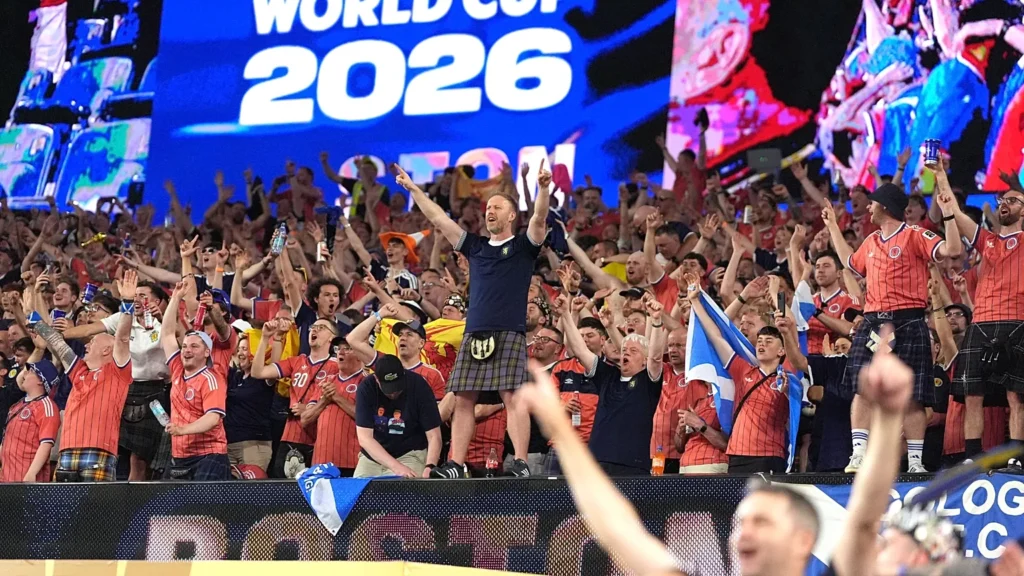
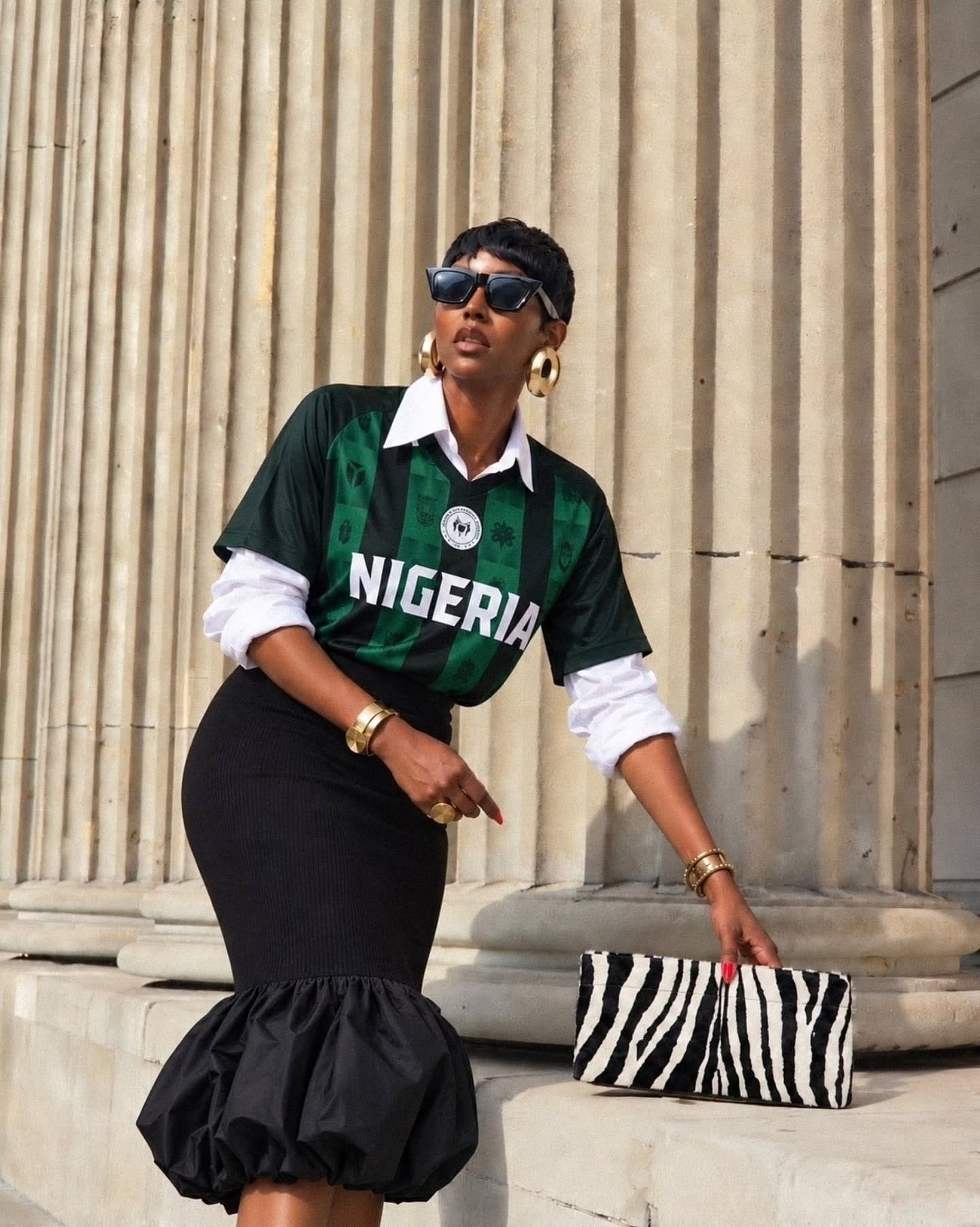
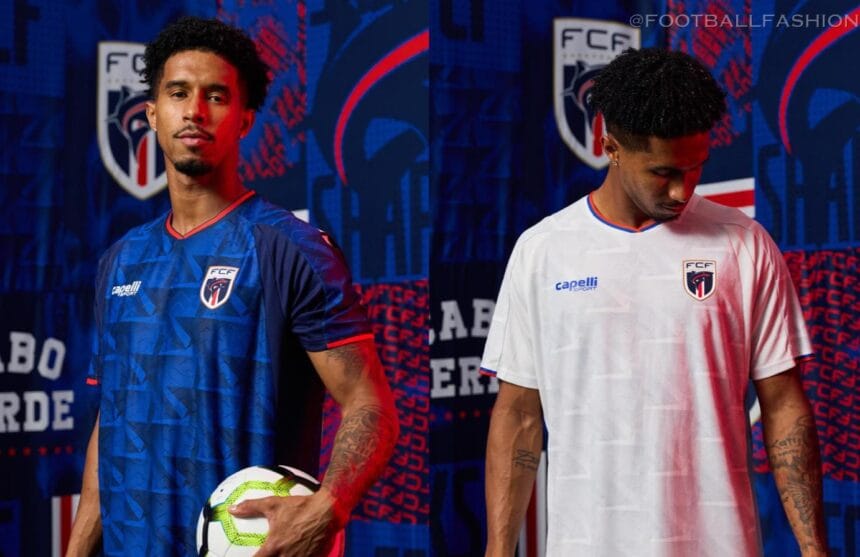
Throughout the World Cup, jerseys were styled with denim, tailored trousers, oversized jackets, cargo trousers, skirts, and fashionable sneakers. They appeared at concerts, airports, cafés, festivals, and on social media feeds long before the tournament reached its conclusion.
Spain’s victory is likely to make its 2026 Adidas jersey one of the most memorable football shirts of this generation. Just like iconic World Cup kits from previous champions, it has already become more than sportswear. It represents a moment in history that fans will continue wearing for years to come.
Social Media Turned Every Fashion Moment Into Global Content
Much of fashion’s growing influence during the World Cup can be traced to social media.
Every player arrival, every celebration, every behind-the-scenes photograph, and every trophy presentation became content within minutes. Fans identified designer brands, discussed outfits, recreated looks, and shared their favourite moments across Instagram, TikTok, Pinterest, and X.
Fashion publications covered football, while sports pages discussed luxury brands and player style. The boundaries between both industries became increasingly blurred.
For fashion brands, this kind of exposure is difficult to replicate elsewhere. A single photograph from the World Cup can reach millions of people organically, creating conversations that extend far beyond the tournament itself.
Fashion Is Now Part of Football’s Biggest Moments
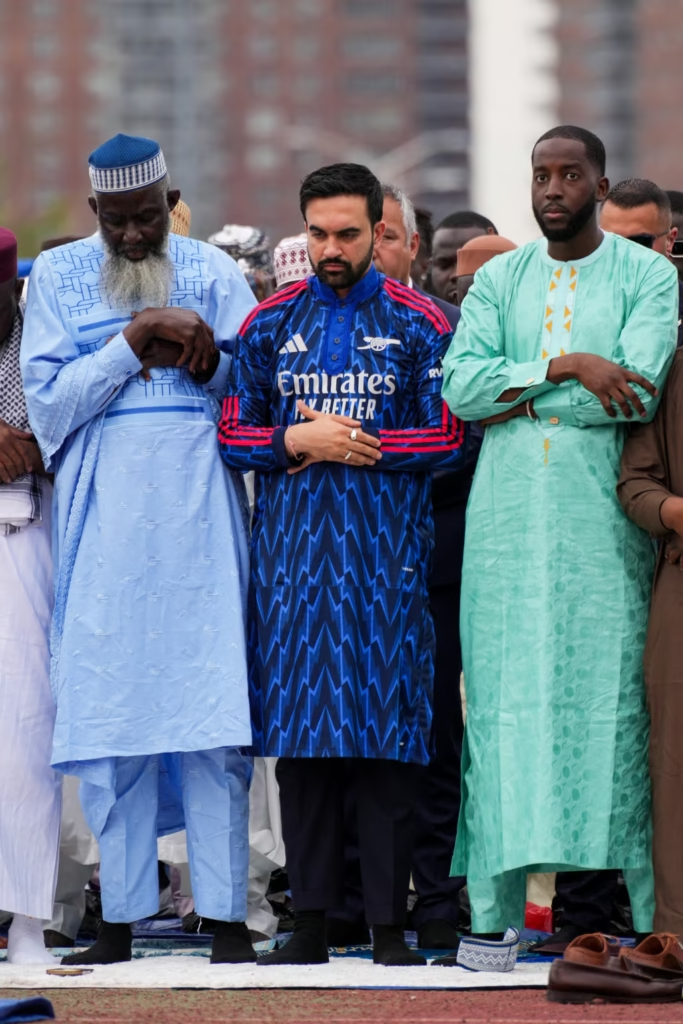
The 2026 FIFA World Cup will be remembered for Spain’s triumph, unforgettable matches, and the stories that unfolded on the pitch. It will also be remembered as another tournament that highlighted how closely football and fashion have become connected.
Luxury houses found new ways to participate in football’s biggest occasion. Sportswear companies turned national teams into global ambassadors for their brands. Players embraced their growing influence as style icons, while supporters continued to prove that football jerseys have become an important part of contemporary fashion.
The modern World Cup is no longer defined solely by the team that lifts the trophy. It is also shaped by the images, brands, and cultural moments that surround it. Looking back, 2026 FIFA World Cup fashion became one of those defining stories.
From Louis Vuitton’s iconic trophy trunk to Adidas celebrating alongside world champions Spain, and from Nike and Puma’s presence throughout the tournament to the growing popularity of football jerseys as everyday fashion, style became an essential part of football’s biggest event.
The beautiful game still sits at the heart of the FIFA World Cup, but fashion has become one of its most influential companions. Every four years, the tournament proves that what people wear, carry, and celebrate can become just as memorable as the football itself.