





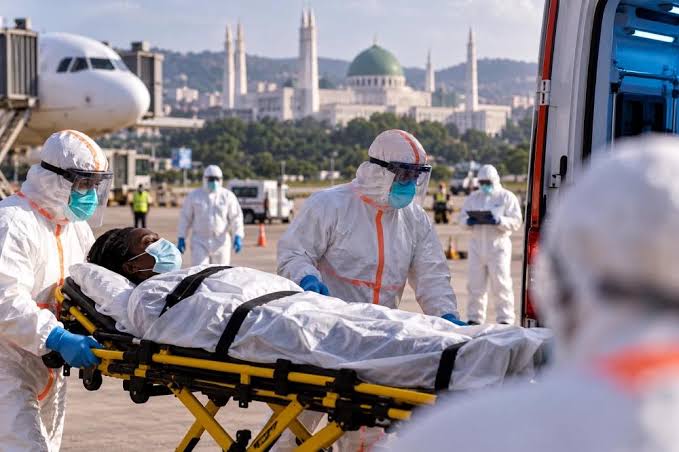
Nigeria has confirmed its first imported case of the ongoing Ebola outbreak after a woman who recently travelled from Uganda tested positive for the virus in the Federal Capital Territory, Abuja. The Federal Government announced the development on Tuesday, October 20, 2026, following laboratory confirmation of the infection.
According to the Federal Ministry of Health and Social Welfare, the patient is currently in isolation and receiving medical care. Health authorities have also begun contact tracing, with 44 people identified as having potentially been exposed to the infection. The individuals are being monitored as officials work to prevent further transmission.
The case marks Nigeria’s first detection of the Bundibugyo strain of Ebola in the ongoing outbreak, which was declared in the Democratic Republic of the Congo in May 2026. Investigations are ongoing to establish where the woman contracted the infection and reconstruct her travel and exposure history.
Government Activates Emergency Response
Following the confirmation, the Federal Government has intensified public health measures to contain the infection and reduce the risk of further cases. The Ministry of Health is working with the Nigeria Centre for Disease Control and Prevention (NCDC), health authorities in the FCT and other relevant agencies.
Contact tracing remains a key part of the response, as health officials identify and monitor people who may have come into contact with the infected patient. Surveillance has also been strengthened, while the hospital involved is receiving support to reinforce infection prevention and control procedures.
The government has urged public and private healthcare facilities across the country to remain alert, promptly identify and isolate suspected cases, and report them to the appropriate public health authorities.
What Is Ebola and How Does It Spread?
Ebola is a severe viral disease that can cause serious illness and death. The current case involves the Bundibugyo virus, one of the viruses in the Ebola group.
The infection can spread through direct contact with the blood and other bodily fluids of an infected person who is showing symptoms, or through contaminated objects such as clothing, bedding, and medical equipment. Contact with the bodies of people who have died from the disease can also result in transmission.

Ebola does not spread through casual proximity alone, and people who have not developed symptoms do not transmit the disease. However, anyone who suspects they may have been exposed should seek guidance from public health authorities rather than waiting for symptoms to appear.
RELATED STORIES



Symptoms Nigerians Should Watch Out For
Ebola symptoms may appear between two and 21 days after exposure. Early symptoms can resemble malaria, typhoid and other common illnesses, making it important for people with a possible exposure history to seek appropriate medical assessment.
Symptoms may include:
- Fever
- Severe headache
- Unusual tiredness or weakness
- Muscle pain
- Sore throat
- Vomiting and diarrhoea
- Abdominal pain
- Unexplained bleeding in some cases, particularly as the illness progresses
Not everyone with a fever has Ebola, and these symptoms alone cannot confirm an infection. However, anyone who develops symptoms after possible exposure should contact a healthcare provider or public health authority promptly and explain their travel or contact history.
Ebola Prevention: Safety Measures Nigerians Should Follow
As Nigeria responds to the confirmed case, the following precautions can help reduce the risk of infection.
1. Avoid contact with blood and bodily fluids. Do not touch the blood, vomit, faeces, or other bodily fluids of someone who may be infected. Avoid handling contaminated clothing, bedding or personal items without appropriate protective equipment.
2. Wash your hands regularly. Use soap and running water, particularly after using the toilet, before eating and after contact with potentially contaminated surfaces. An alcohol-based hand sanitiser can be used when hands are not visibly dirty, and soap and water are unavailable.
3. Do not care for suspected patients without proper protection. Anyone who becomes ill and may have Ebola should receive medical care in an appropriate facility. Family members should avoid direct contact with the person’s bodily fluids and follow instructions from trained healthcare workers.
4. Avoid handling dead wild animals. Do not touch or consume animals found dead or visibly ill. Avoid direct contact with bats, monkeys, and other wild animals that may carry the virus, and do not eat raw bushmeat.
5. Seek medical help early after possible exposure. If you have been in close contact with a confirmed or suspected case, contact public health authorities even if you feel well. If symptoms develop, inform the healthcare provider about the possible exposure before arriving so appropriate precautions can be arranged.
6. Follow official health advisories. Get updates from the NCDC, the Federal Ministry of Health and Social Welfare, and the World Health Organization. Avoid spreading unverified reports, fake treatment claims, or messages that could cause unnecessary panic.
7. Healthcare workers must observe strict infection-control procedures. Medical personnel should use appropriate personal protective equipment, practise safe handling of medical waste and specimens, and follow official protocols for isolating and treating suspected or confirmed cases.
These measures are consistent with WHO guidance on Ebola prevention and infection control.
Should Nigerians Be Worried?
The confirmation of an imported Ebola case is a serious public health development, but it does not mean that the virus is spreading widely across Nigeria. Authorities are tracing contacts, monitoring potentially exposed individuals and strengthening surveillance to limit further transmission.
Nigerians should remain informed, practise good hygiene and take possible exposure seriously without resorting to panic or discrimination against travellers, healthcare workers or people from affected countries.
The situation remains under investigation, and further updates from health authorities will be important in determining whether additional cases emerge.
For now, early reporting, effective contact tracing, proper infection control and public cooperation will be essential to containing the outbreak.