




Lagos Fashion Week 2026 brought together some of the most interesting voices in African fashion, with designers using the Spring/Summer 2027 season to explore traditional craftsmanship, experimental silhouettes, and more responsible ways of making clothes.
The 16th edition ran from October 28 to November 1, 2026, bringing established labels and emerging designers together for runway shows, offsite presentations, and industry discussions. This year’s theme, CRAFTED: Heritage. Innovation. Circular Futures, placed the people, techniques, and materials behind African fashion at the centre of the conversation.
Across the collections, familiar design traditions appeared in new forms. Some designers experimented with indigenous textiles and intricate embellishments, while others explored garment reconstruction, texture and unconventional proportions.
Beyond the runway, conversations about sustainability highlighted the importance of supporting local artisans and building stronger relationships between designers and the people who bring their ideas to life. Christie Brown founder Aisha Ayensu emphasised this point during a panel discussion, noting that African fashion brands depend on their craftspeople’s skills.
Here are eight designers whose work offered an interesting look at the direction of African fashion at Lagos Fashion Week 2026.
1. Dimeji Ilori
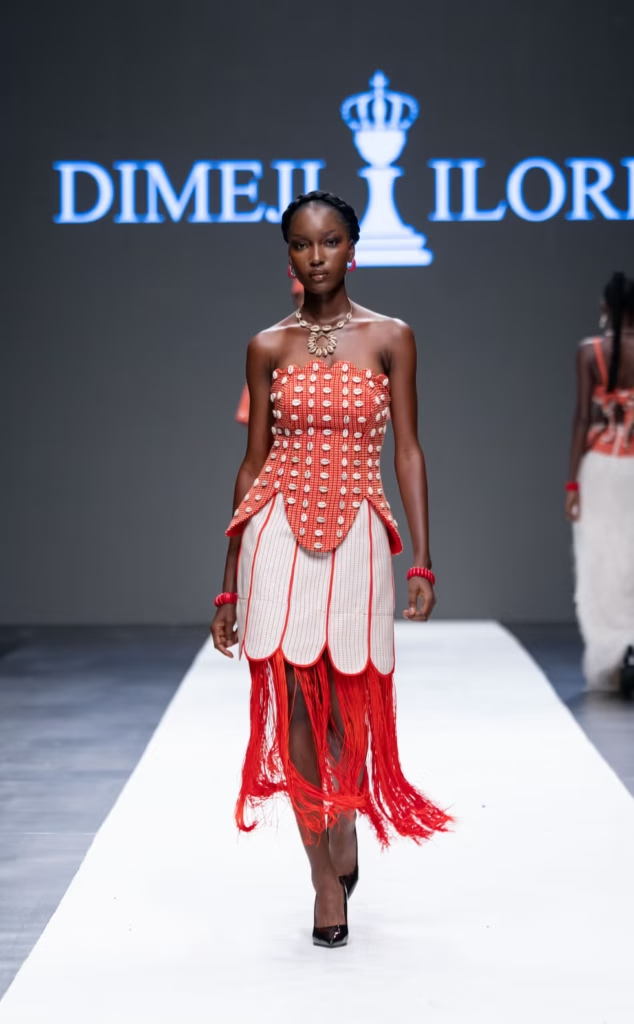
Founded in 2021 by designer Adedayo Ilori, Dimeji Ilori approached the season through the relationship between heritage, material, and contemporary design. The designer’s Spring/Summer 2027 collection, titled Ancestral Intelligence, explored traditional silhouettes and textiles, including Aso Oke, through a modern design perspective.
Embroidery and cowrie shell details added texture and cultural references to the collection, demonstrating how familiar materials can take on a different character through thoughtful construction and embellishment.
Rather than treating heritage as something that belongs exclusively to the past, the collection brought traditional references into a contemporary setting. It was a reminder that African fashion can draw from established craft traditions while continuing to develop its own visual language.
2. Hertunba
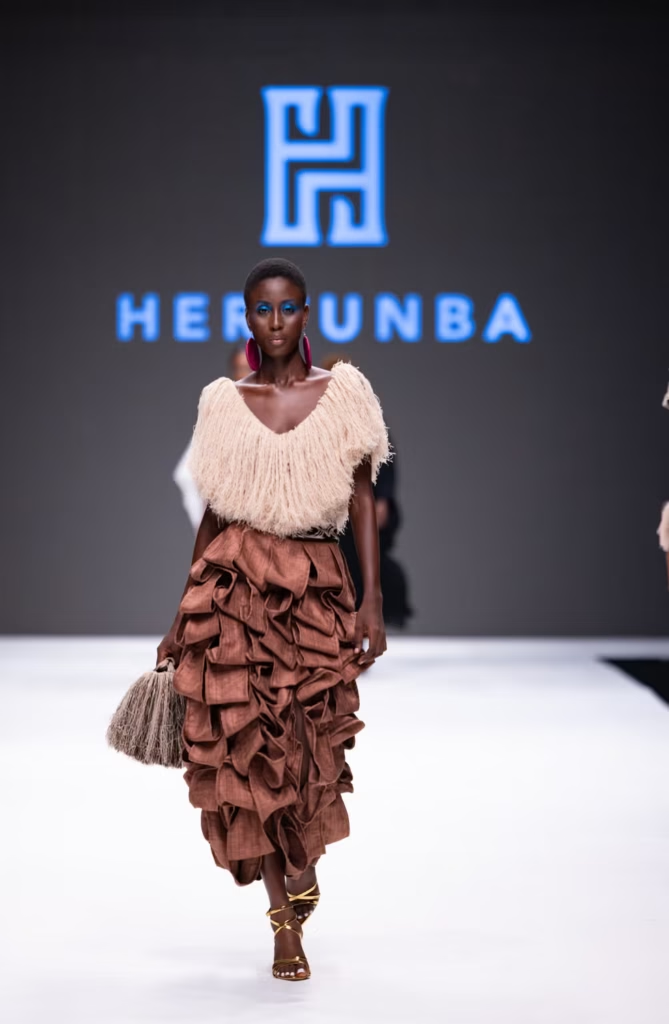
Florentina Agu’s Hertunba continues to explore the possibilities of African craftsmanship through sculptural silhouettes and intricate detailing. The designer began learning dressmaking at 13 and officially launched the label in 2020.


At Lagos Fashion Week 2026, the brand presented a collection featuring drop-waist silhouettes, statement fringe and beaded embellishments. Shades of blue, brown and black gave the pieces a distinct visual identity, while the interplay of texture and proportion remained central to the designs.
Sustainability is also part of Hertunba’s approach to production. The label employs and trains local women in sewing and weaving, while repurposing excess fabric into new pieces and handcrafted interior items. This approach connects the finished garment to the people and processes behind its creation.
3. Orange Culture
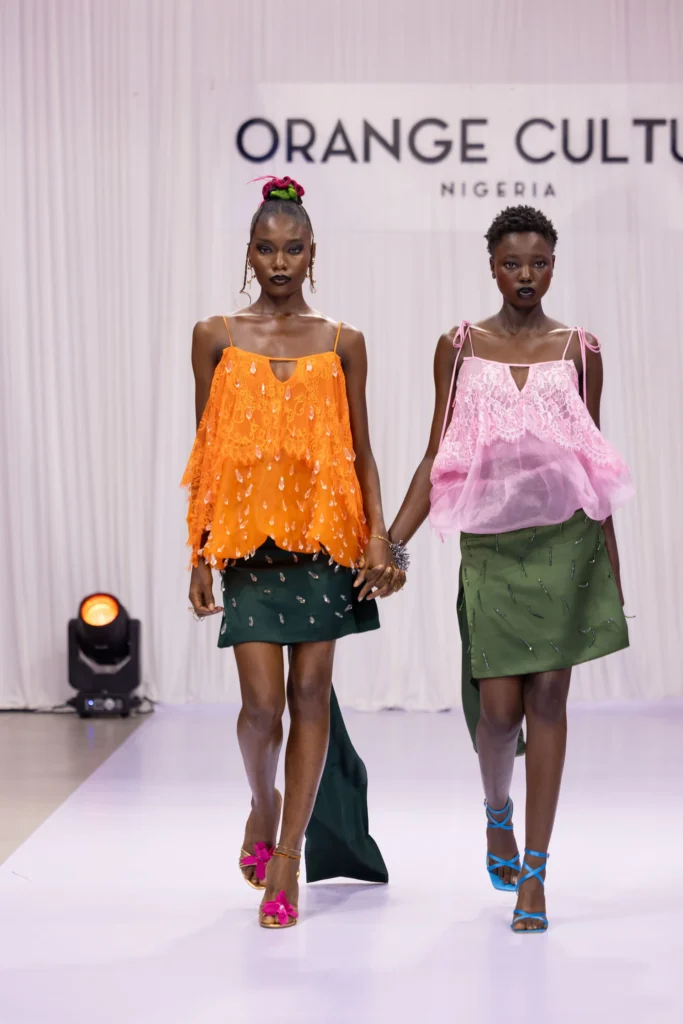
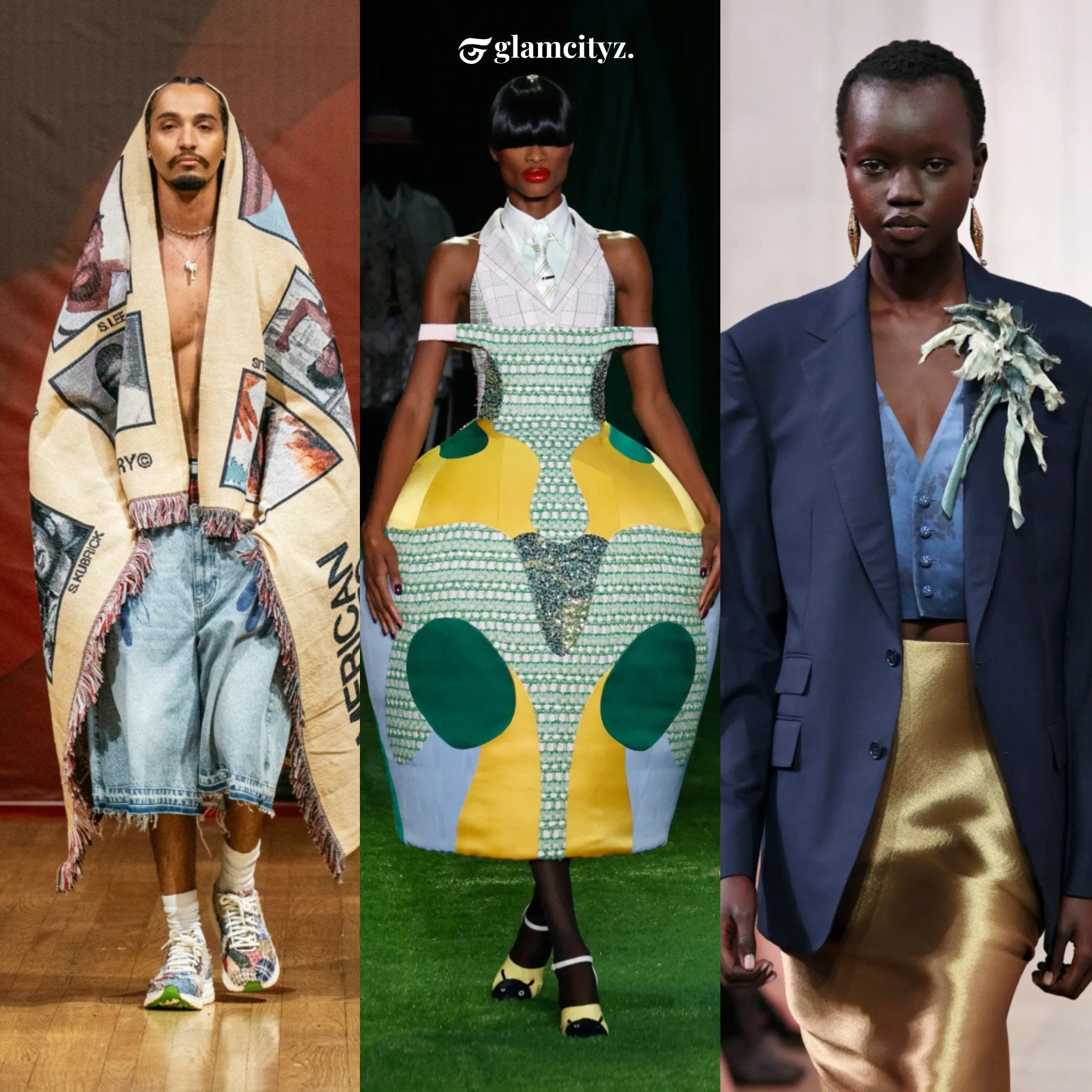
Orange Culture returned to Lagos Fashion Week with The In-Between, a Spring/Summer 2027 collection that explored familiar clothing shapes through unconventional proportions and surface treatments.
Founded by Adebayo Oke-Lawal, the Nigerian label has built a distinctive identity around expressive menswear, fluid silhouettes and a willingness to challenge conventional ideas about how clothing should look and feel.
The latest collection featured sheer layers, hand-stitched embellishments, uneven proportions and looped-yarn surfaces. A varied colour palette added further contrast, allowing the textures and construction of individual pieces to stand out.
Orange Culture has also presented its work internationally, including at London and New York Fashion Week. Its Lagos presentation continued the brand’s exploration of contemporary African identity through clothing that does not rely on familiar fashion conventions.
4. Sevon Dejana
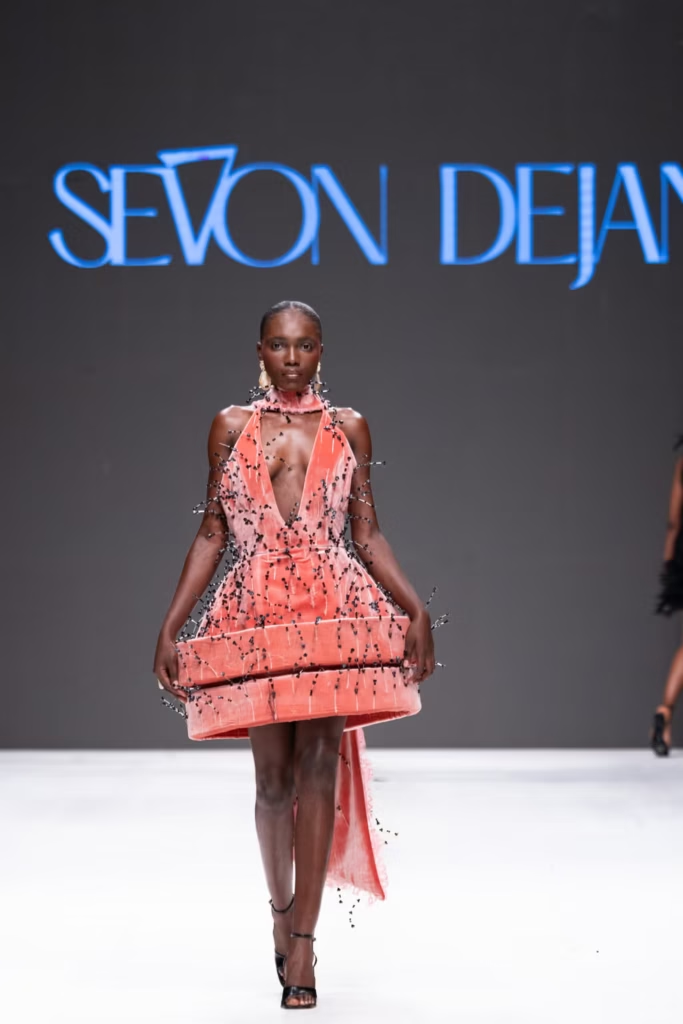
For Sevon Dejana, statement dressing remains central to the brand’s identity. Founded by Segun Aladejana in 2015, the label is known for dramatic eveningwear, sculptural shapes and a couture-inspired approach to embellishment.
Its Lagos Fashion Week 2026 presentation featured intricate floral embroidery, bold embellishments and structured silhouettes. The designs placed considerable attention on surface detail, with decorative elements adding depth and character to the finished pieces.
Sevon Dejana’s approach offers a different perspective on the season’s wider interest in craftsmanship. Rather than relying on minimalism, the label embraces detailed construction and expressive design, creating pieces intended to make an impression.
5. PiiLLz and PoiZn
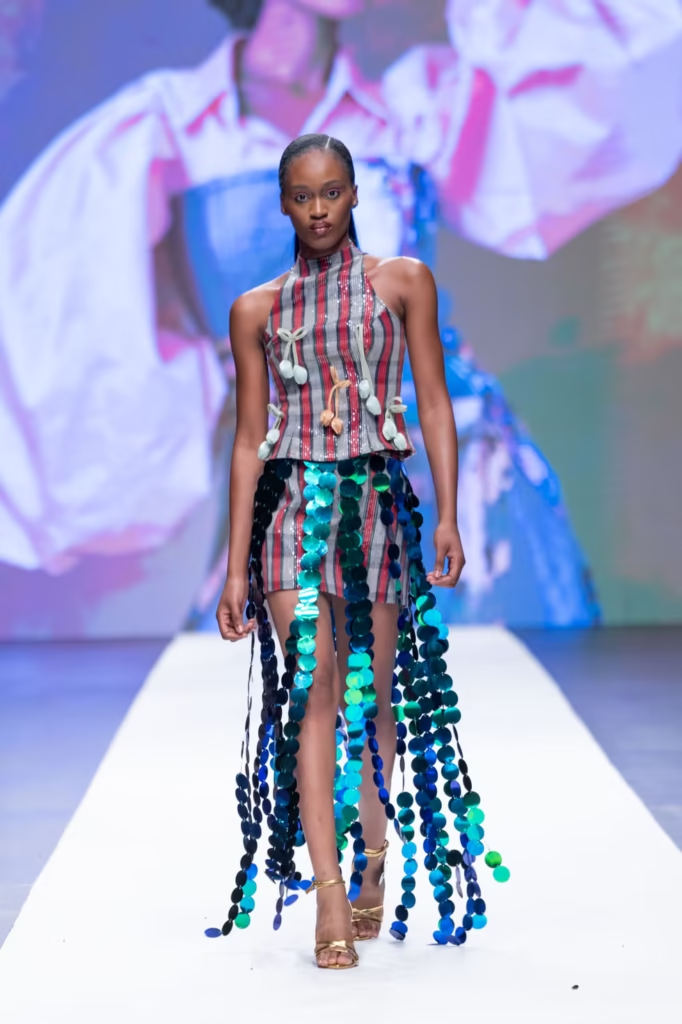
Designed by Ifeoma Umenyiora, PiiLLz and PoiZn brings colour, texture and maximalism into contemporary fashion. Working between Lagos and London, the label takes a considered approach to production while embracing bold design choices.
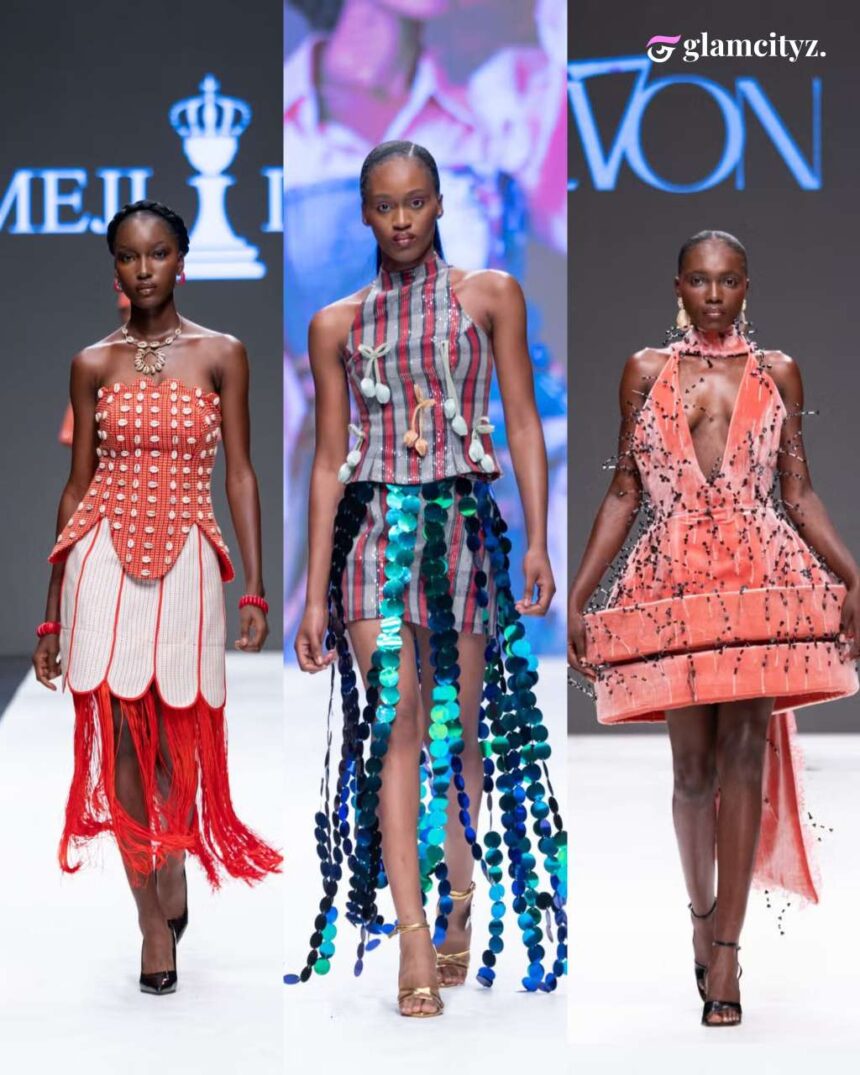
Its aesthetic incorporates elements such as stripes, sequins and feathers, with colour often playing a defining role. Bespoke tailoring is another important part of the brand’s offering, with garments produced at its Lagos atelier.
At Lagos Fashion Week 2026, PiiLLz and PoiZn presented alongside other designers exploring different approaches to contemporary African style. The label’s emphasis on individual expression and detailed garment construction offers an alternative to the pared-back silhouettes that often dominate conversations about modern fashion.
6. Bornstar Nigeria
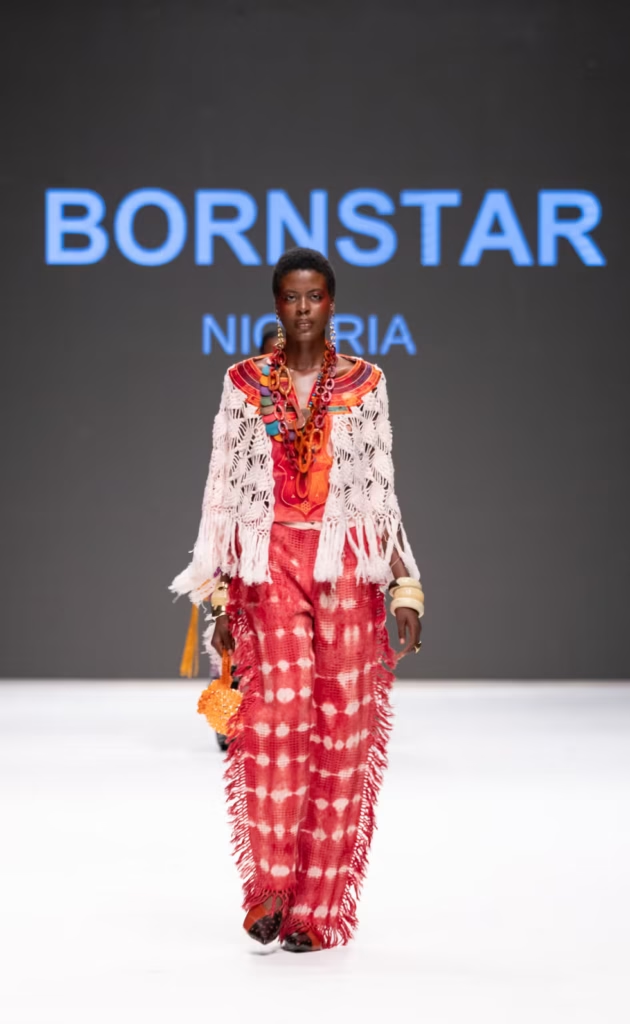
Bornstar Nigeria brings a relaxed approach to tailoring, combining locally produced fabrics with details that give familiar silhouettes a more expressive character.
Founded by Adedamola Adebayo, the sustainable, gender-neutral label places emphasis on local production and more considered material choices. Its designs incorporate elements such as beadwork, crochet, and tassels, while accessories, including chunky bags, extend the brand’s visual identity beyond clothing.
The combination of tailored separates and handcrafted details allows Bornstar Nigeria to explore contemporary dressing without losing sight of the techniques and materials that inform its work.
At a fashion week where the relationship between creativity and local production remained an important talking point, the brand’s approach offered another perspective on how Nigerian labels can build distinctive identities around locally made fashion.
7. Sisiano
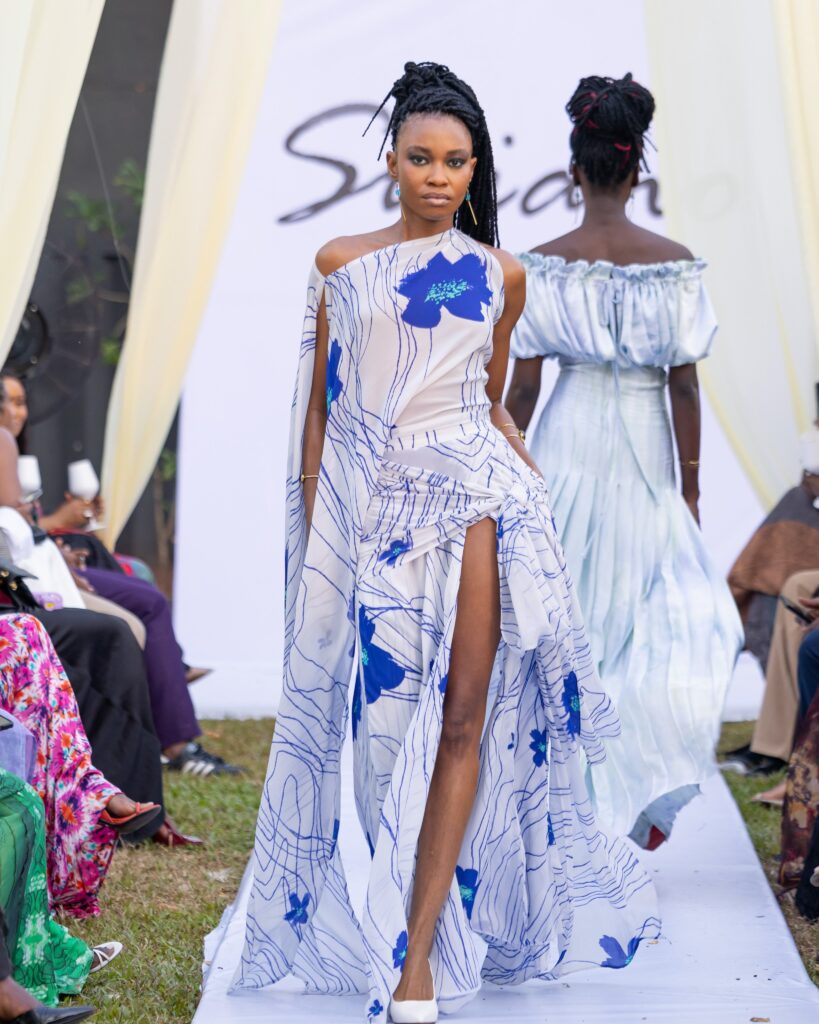
Sisiano’s Spring/Summer 2027 collection, Some Birds Fly South, explored movement and texture through sheer fabrics, fringe detailing and relaxed menswear silhouettes.
Hand-printed fabrics gave the collection added character, while the interplay between transparency and movement created a sense of fluidity. Rather than depending on heavily structured shapes, the presentation allowed fabric treatments and construction to influence how individual pieces appeared.
The collection demonstrated how contemporary African fashion can communicate through material and form as much as through prints or recognisable cultural references. Sisiano’s approach offered a quieter but equally considered interpretation of the season’s focus on craftsmanship and innovation.
What Lagos Fashion Week 2026 says about the future of African fashion
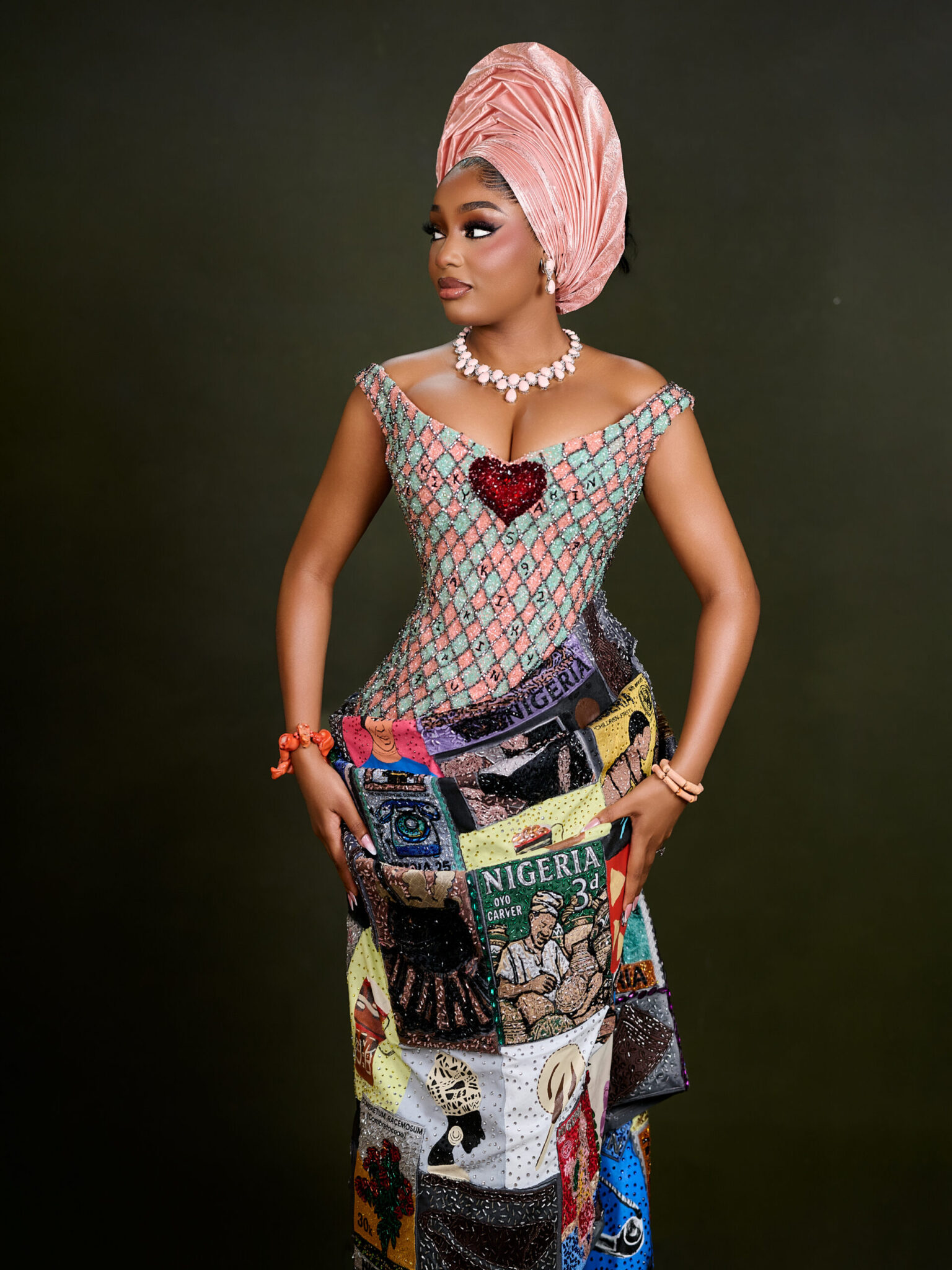
The collections presented this season offered different interpretations of what contemporary African fashion can be. From Orange Culture’s experimental proportions to Hertunba’s intricate embellishments and Emmy Kasbit’s engagement with Akwete textiles, designers explored the relationship between traditional knowledge and modern design.
The conversations beyond the runway were equally important. Supporting artisans, reducing textile waste, and developing sustainable businesses remain significant considerations for an industry seeking to expand its influence while preserving the skills that make its work distinctive.
Lagos Fashion Week 2026 showed that the future of African fashion will not be shaped by creativity alone. It will also depend on how designers work with local makers, develop their businesses, and create opportunities for traditional craftsmanship to remain commercially relevant.
For the designers on this season’s runway, heritage was not simply a reference to the past. It was a starting point for what comes next.