






Keeping up with manicure trends can be exciting, especially with new nail colours, shapes, finishes, and techniques constantly making their way into the beauty scene. However, in the process of experimenting with different looks, it is easy to overlook the health of your natural nails.
While modern nail products are increasingly designed to deliver better strength, durability, and a smooth finish, nail professionals say that healthy nails also depend on everyday care. Simple habits, such as moisturising regularly, avoiding harsh treatments and resisting the temptation to peel off chipped nail polish, can make a significant difference.
Krisztina van der Boom, founder of DryBy, believes that nail care should go beyond choosing the latest colours or finding a manicure that lasts for weeks. Paying attention to the condition of the natural nails underneath is just as important. Hand, foot and nail expert Margaret Dabbs shares a similar view, recommending a consistent nail care routine rather than relying solely on salon appointments.
One of the easiest ways to maintain healthy nails is to keep both your hands and cuticles moisturised. A nourishing hand cream can help prevent dryness, while cuticle oil provides additional hydration around the nail bed. Sandra Wei, founder of Peach Bling, considers cuticle oil an essential part of nail care, particularly formulas containing jojoba oil, which can help nourish the nails and surrounding skin.
Applying cuticle oil daily, preferably before bedtime, is a simple habit worth adopting. Wei also recommends wearing gloves when washing dishes or cleaning, as frequent exposure to water and strong detergents can leave nails dry and weak. This becomes particularly important as nails tend to grow more slowly and retain less moisture with age, making them more vulnerable to brittleness and visible ridges.
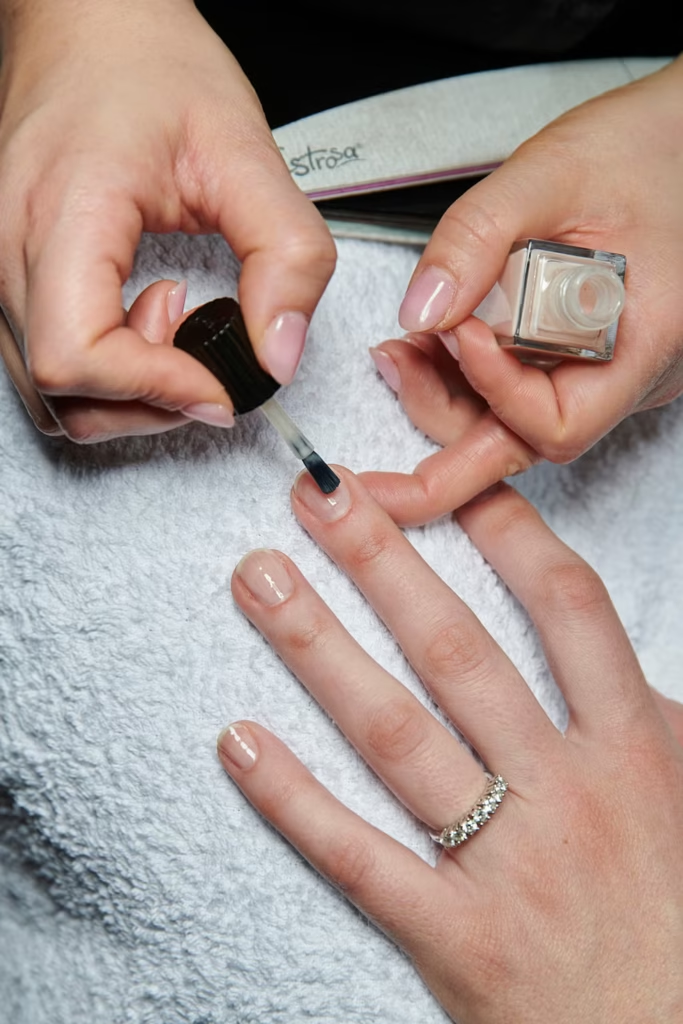
Be Careful With Your Cuticles
Cuticle care is another important part of maintaining healthy nails, although how you handle this delicate area matters. Cuticles help protect the nail bed against bacteria and infections, which is why completely removing them is generally discouraged.
Rather than cutting them off, nail professionals recommend gently pushing back excess cuticle skin. Olivia Van Iderstine, vice president of education and manicure trend expert at Olive & June, explains that careful cuticle preparation can improve the appearance of the nails and help manicures last longer, provided the surrounding living skin is not damaged.
Before a manicure, you can soften your cuticles with cuticle oil or by soaking your fingertips in warm, soapy water. A wooden cuticle stick or stainless steel cuticle pusher can then be used gently to move excess skin away from the nail plate.


File Your Nails Gently and Regularly
How you file your nails can also affect their overall health. Regardless of whether you prefer short, square nails or longer almond-shaped designs, regular and gentle filing helps keep the edges smooth and reduces the chances of unwanted splits, tears and breakage.
Although ordinary emery boards can get the job done, some nail professionals recommend crystal nail files because their smooth filing surface can help minimise tiny splits that may eventually lead to peeling. However, the technique matters just as much as the tool. Excessive filing can weaken the nail, so it is important to work gently and avoid repeatedly filing the same area.
You Don’t Have to Give Up Gel Manicures
For anyone who enjoys gel manicures, maintaining healthy natural nails does not necessarily mean giving up long-lasting nail treatments. Options such as builder gel and Japanese gel systems can provide strength, structure, and durability while helping to preserve the natural nail when applied and removed correctly.
Sandra Wei notes that Japanese gel systems are designed with precision and a focus on natural nail preservation. Their application typically involves minimal preparation, avoiding excessive buffing of the nail plate. The gel is then applied in thin, structured layers that offer flexibility while sitting close to the natural nail.
Some salons also pay attention to the ingredients in their gel products, particularly HEMA and TPO, which have been associated with allergic reactions and sensitivities in some users. Choosing products carefully and having them applied by a trained professional can help reduce unnecessary risks.
Builder gel is another option worth considering. It provides additional support to natural nails through a structured application, helping them maintain their shape and resist everyday damage.
However, even durable gel manicures need proper maintenance. Experts generally advise against leaving a gel set on for longer than four weeks, as nail growth can shift the balance of the product and increase the risk of breakage. Lifting, cracking, or peeling are also signs that it may be time for professional removal.
One mistake to avoid is picking or peeling off gel polish when it begins to lift. Doing so can strip away layers of the natural nail, leaving it thinner and more vulnerable to damage.
According to Wei, the condition of the natural nail depends greatly on how the gel is applied and, more importantly, how it is removed. Gentle professional removal can help preserve nail health, meaning that taking a break between appointments may not always be necessary.
Ultimately, beautiful manicures and healthy nails should go hand in hand. Following a consistent care routine, keeping your cuticles moisturised, filing carefully, and choosing suitable nail treatments can help you enjoy your favourite manicure trends without neglecting the health of your natural nails.


