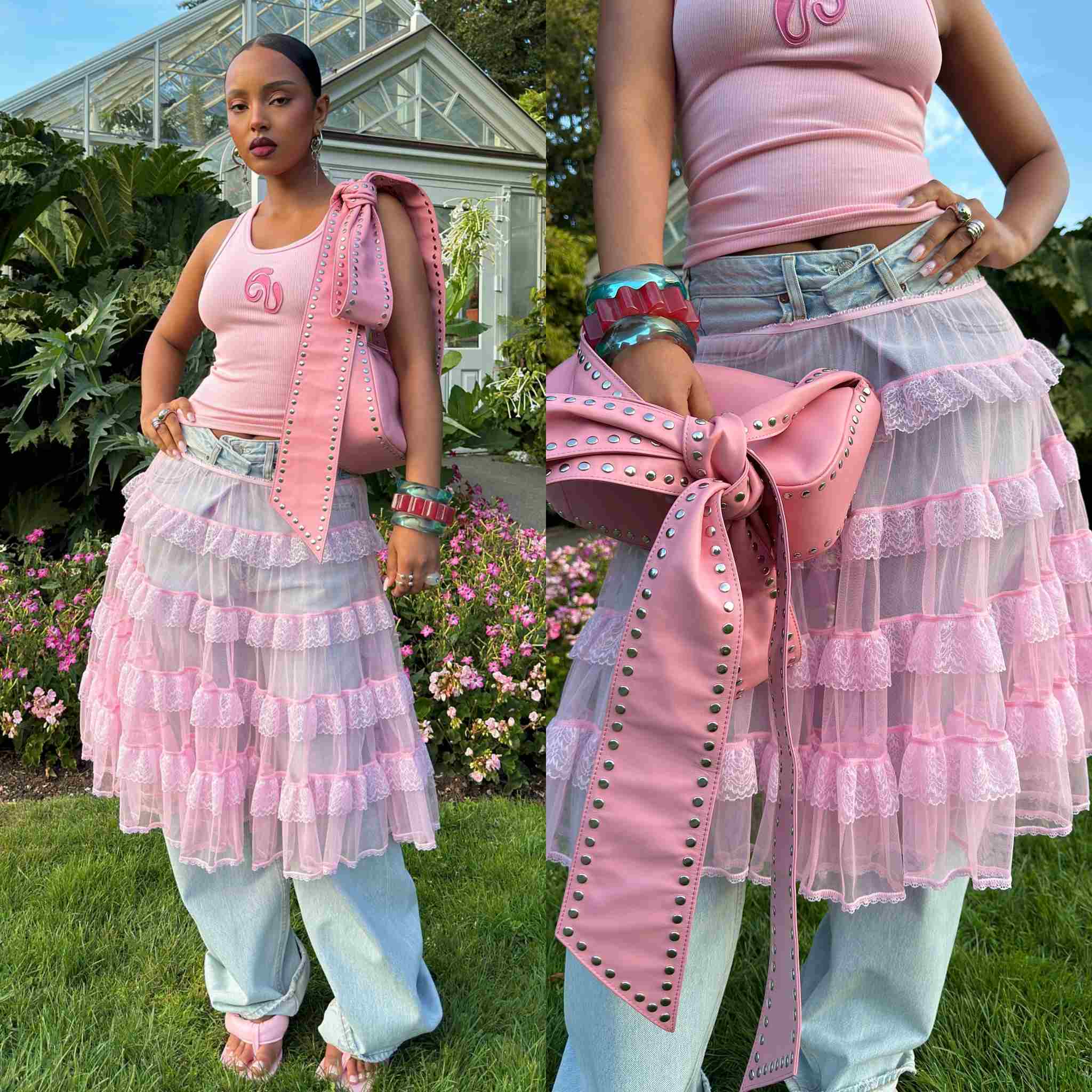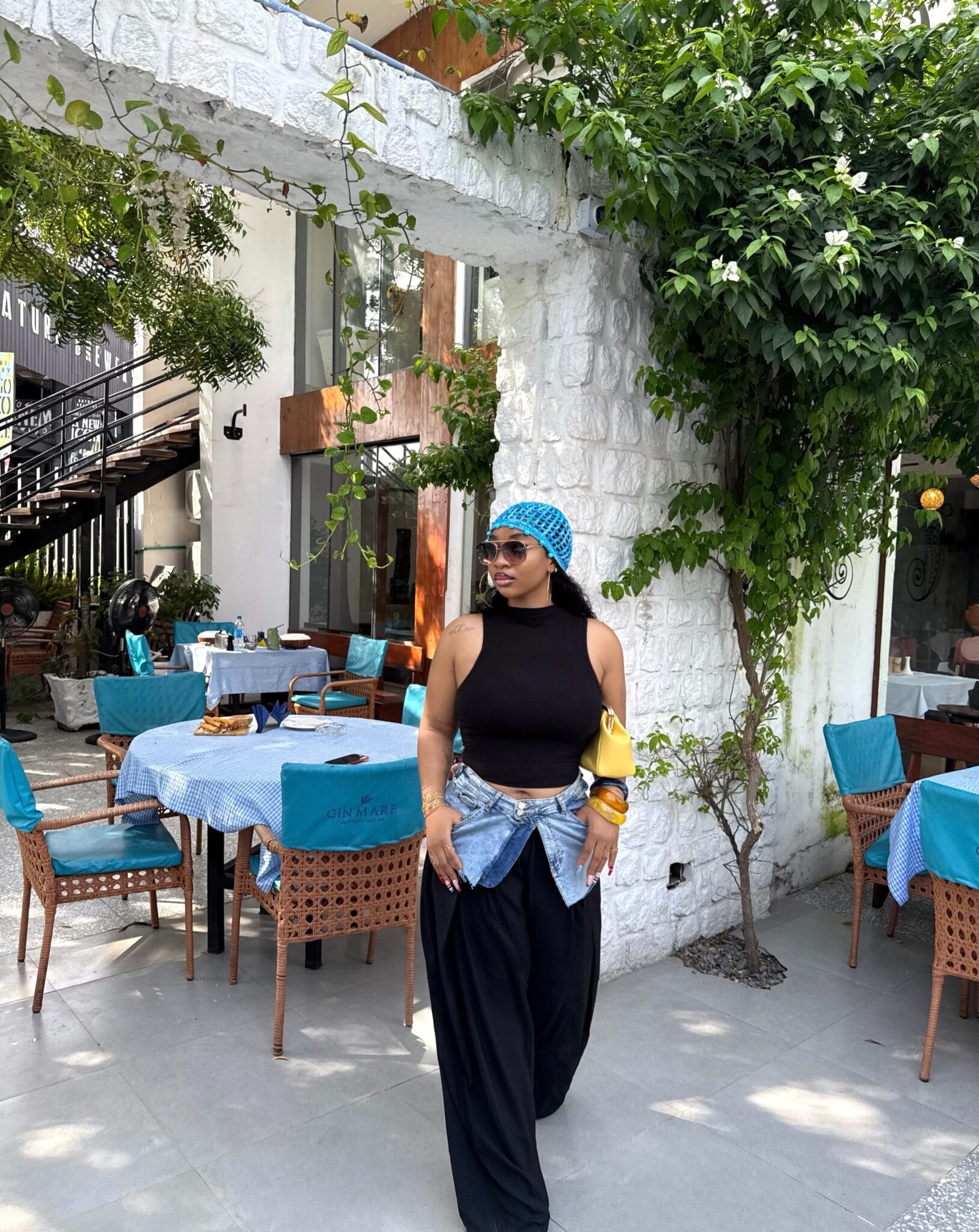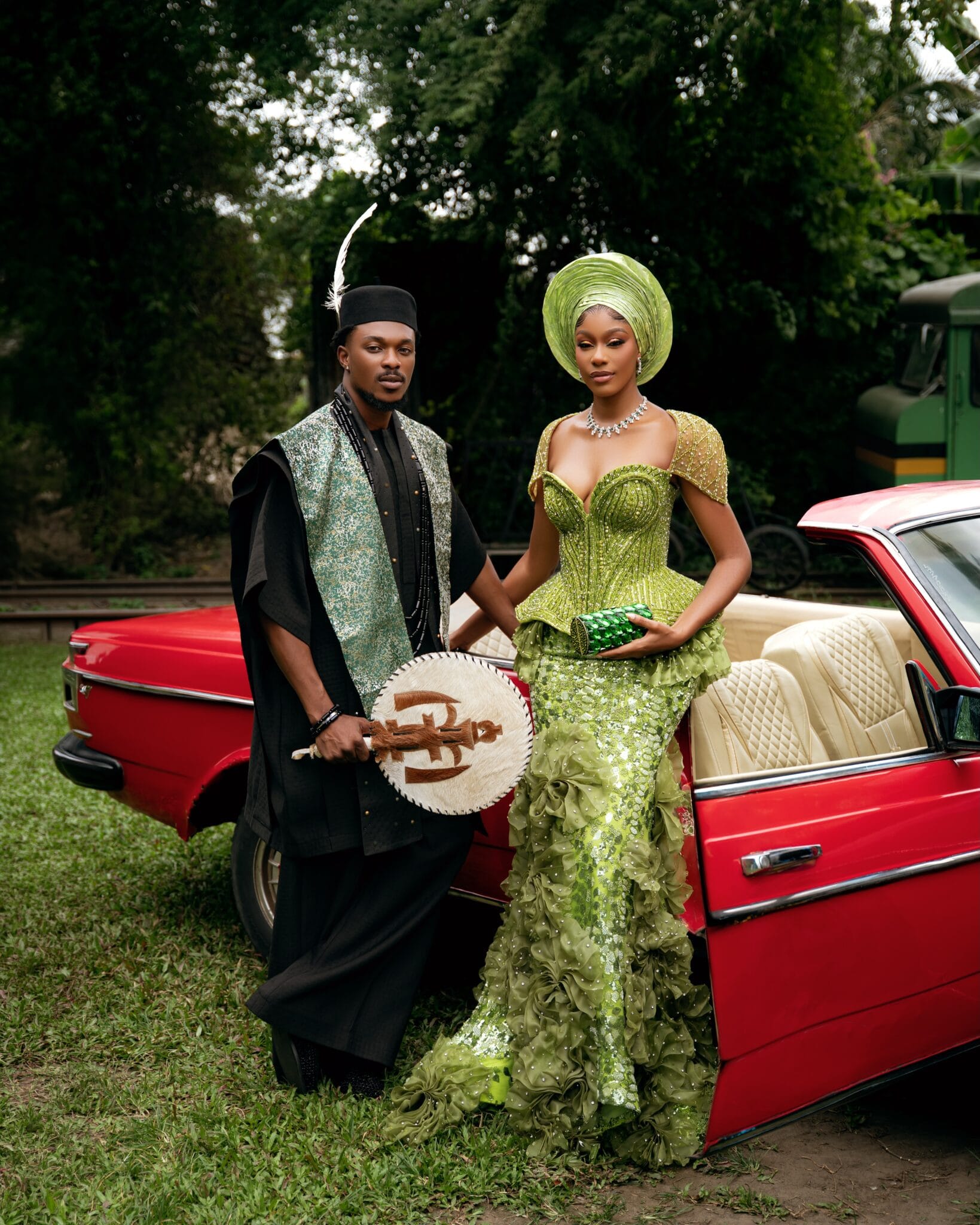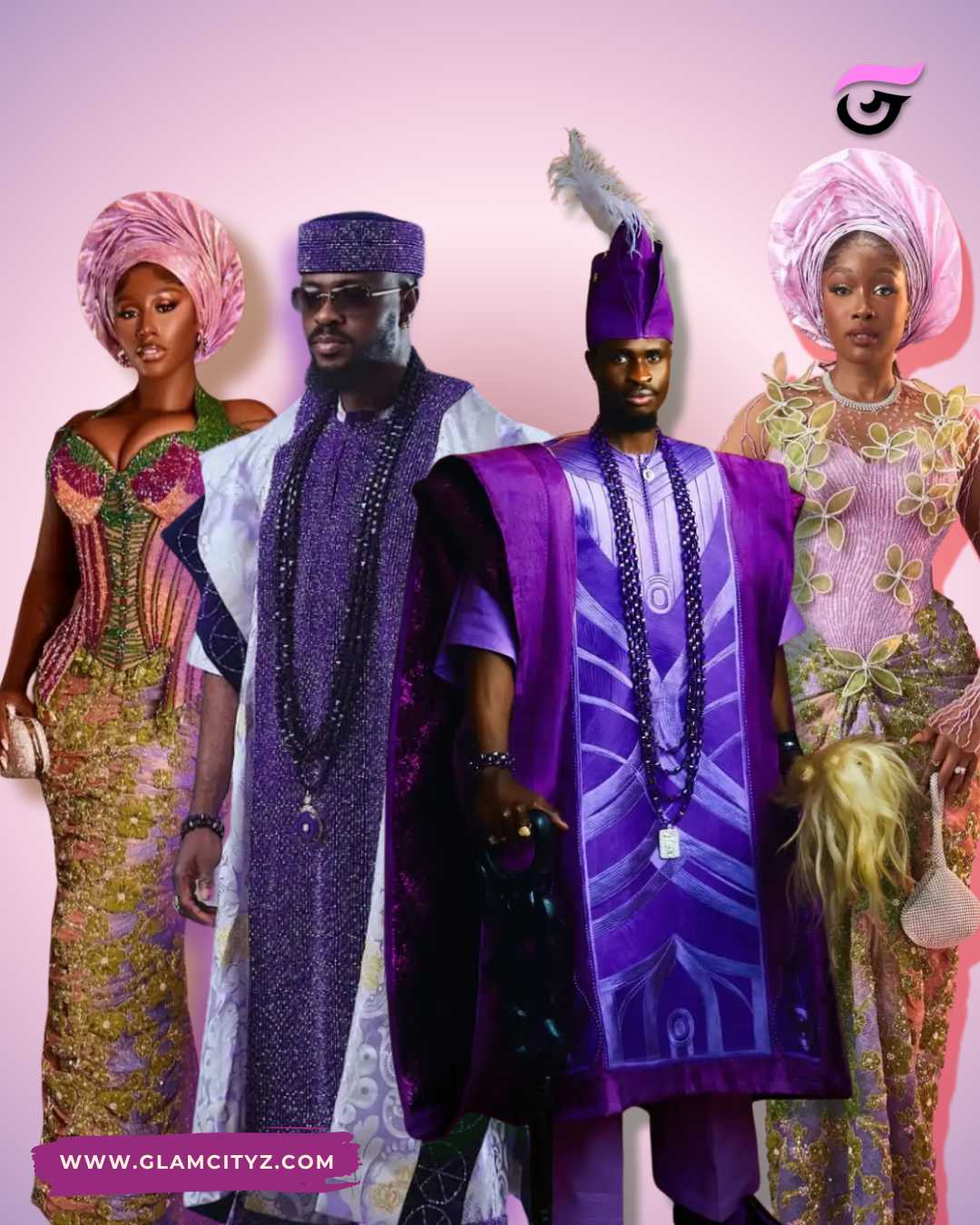





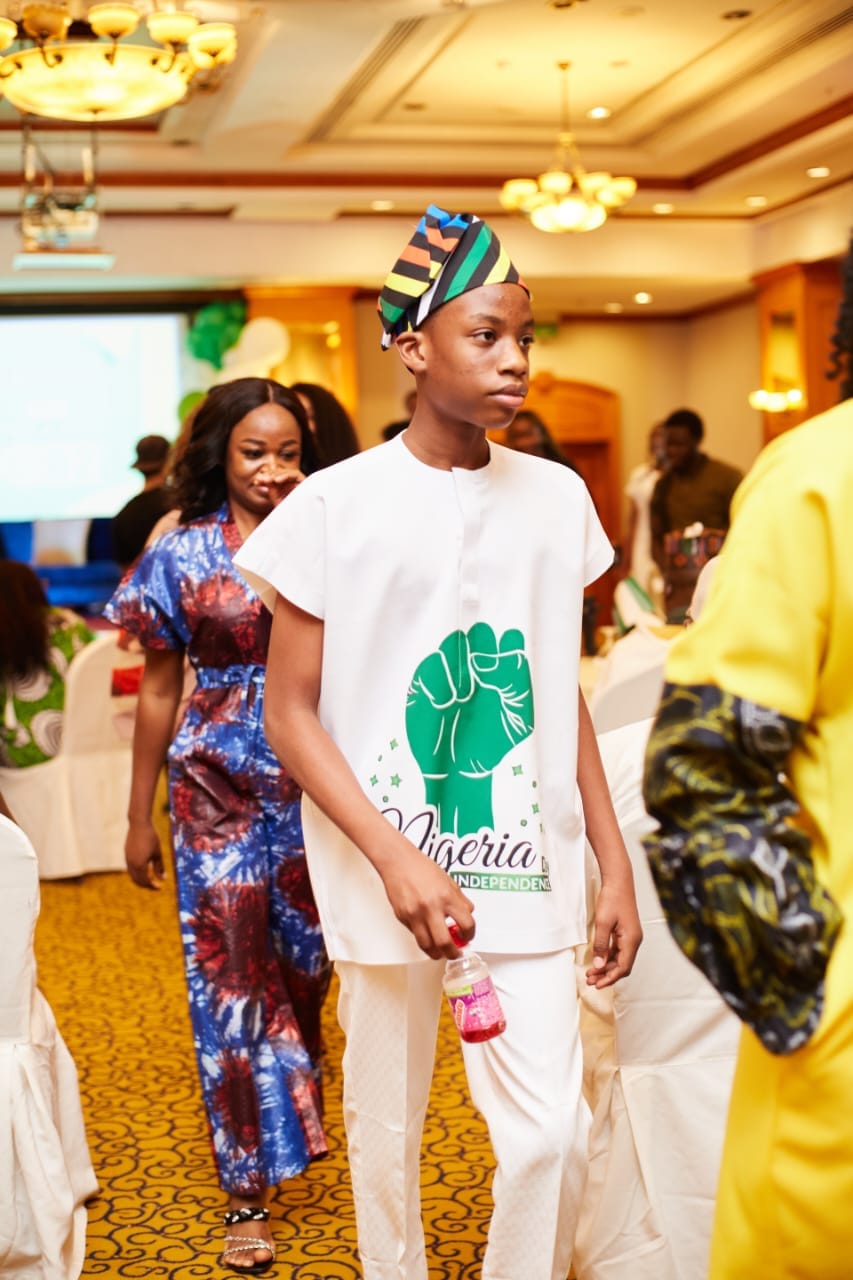
On October 1, 2022, at the Carlton Palace Hotel in Deira, Dubai, Nigerian fashion designer Olanrewaju Aroworayi presented BEAUTY IN BLACK, a unisex collection showcased as part of Nigeria’s 62nd Independence anniversary celebrations. The presentation brought together African-inspired textiles, vivid colour, relaxed tailoring and contemporary silhouettes in an attempt to position Nigerian fashion within a more international visual vocabulary.
What makes BEAUTY IN BLACK particularly interesting is that Aroworayi does not approach African fashion through a strictly traditional lens. Instead, the collection experiments with how recognisable African colour, print and textile language can coexist with silhouettes that feel more contemporary and accessible beyond the continent.
A confident and unconventional colour story
Colour is one of the strongest elements of the collection.
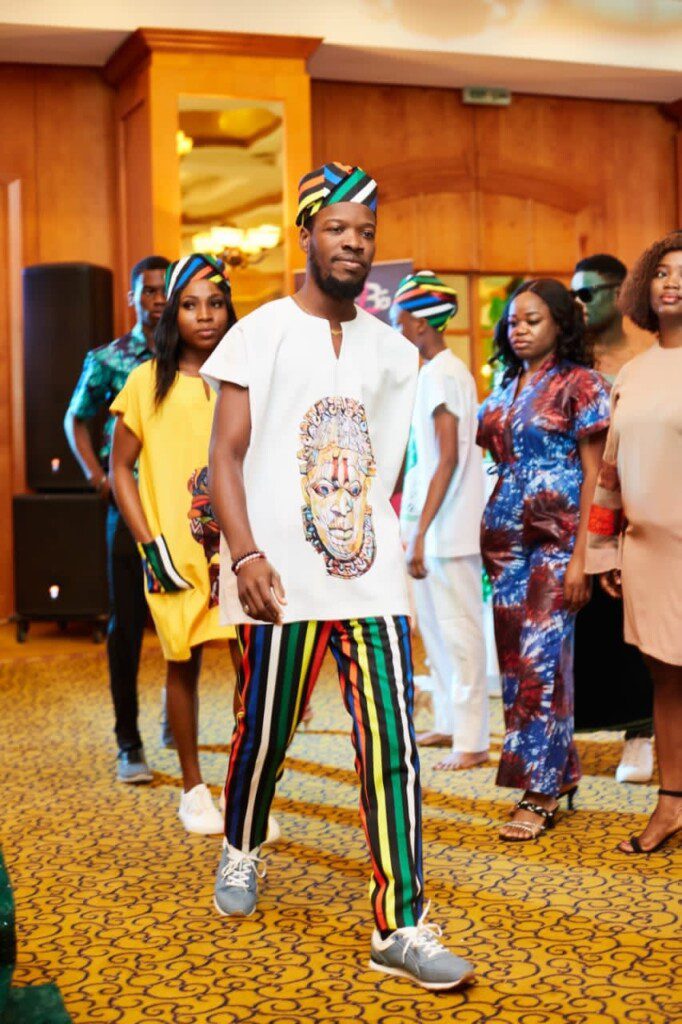
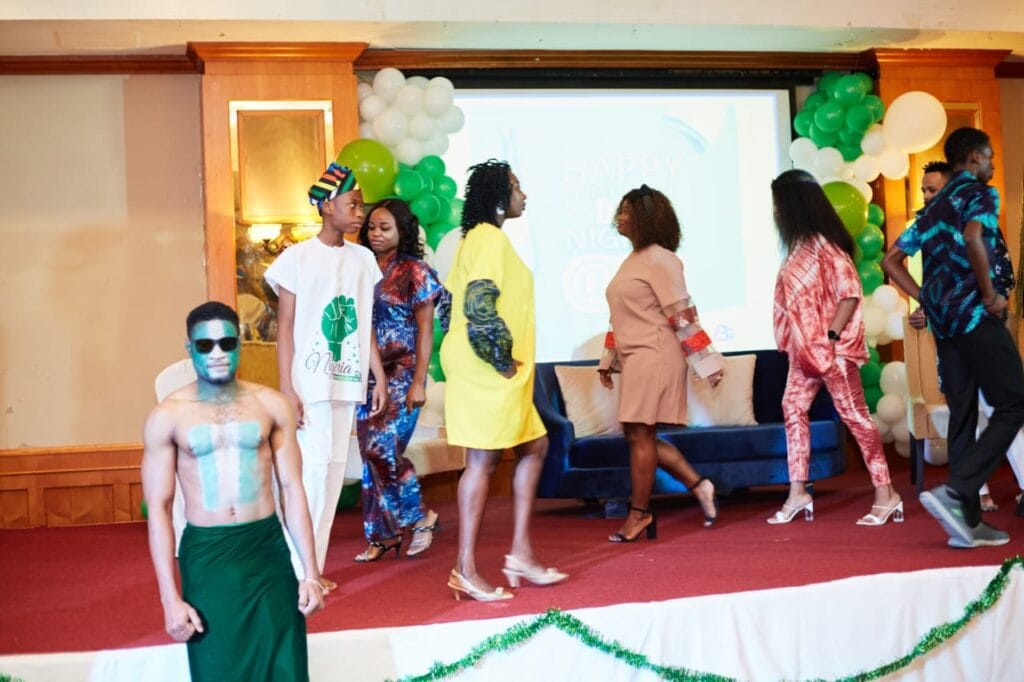
Rather than restricting the palette to literal interpretations of black, Aroworayi allows vivid yellow, green, blue, red, white and multicoloured prints to compete for attention. The result is energetic and distinctly African without becoming visually predictable.
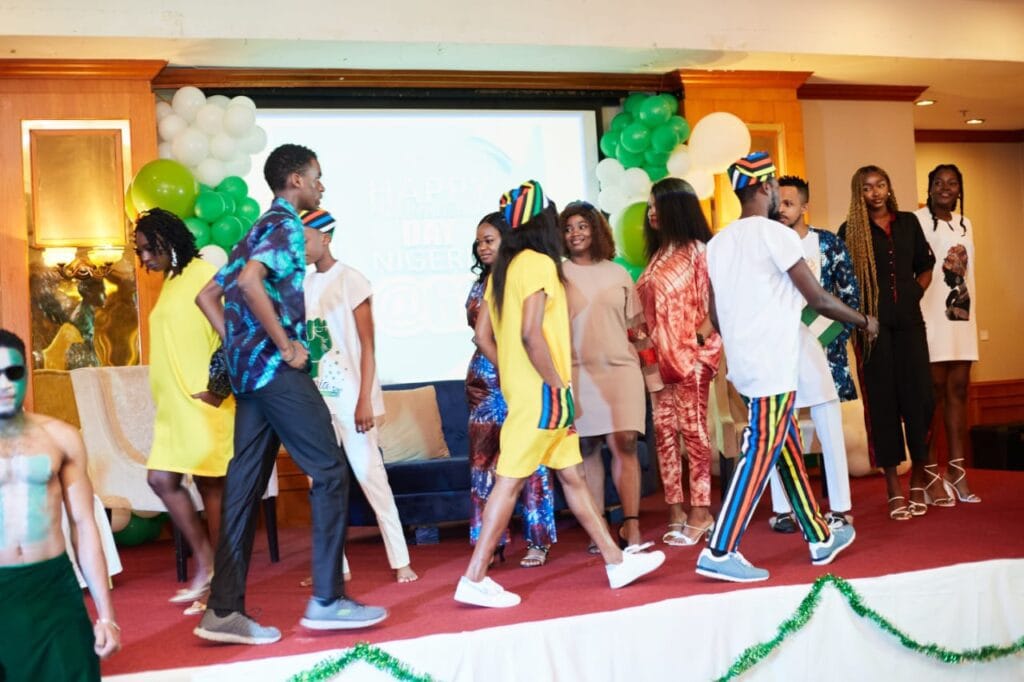
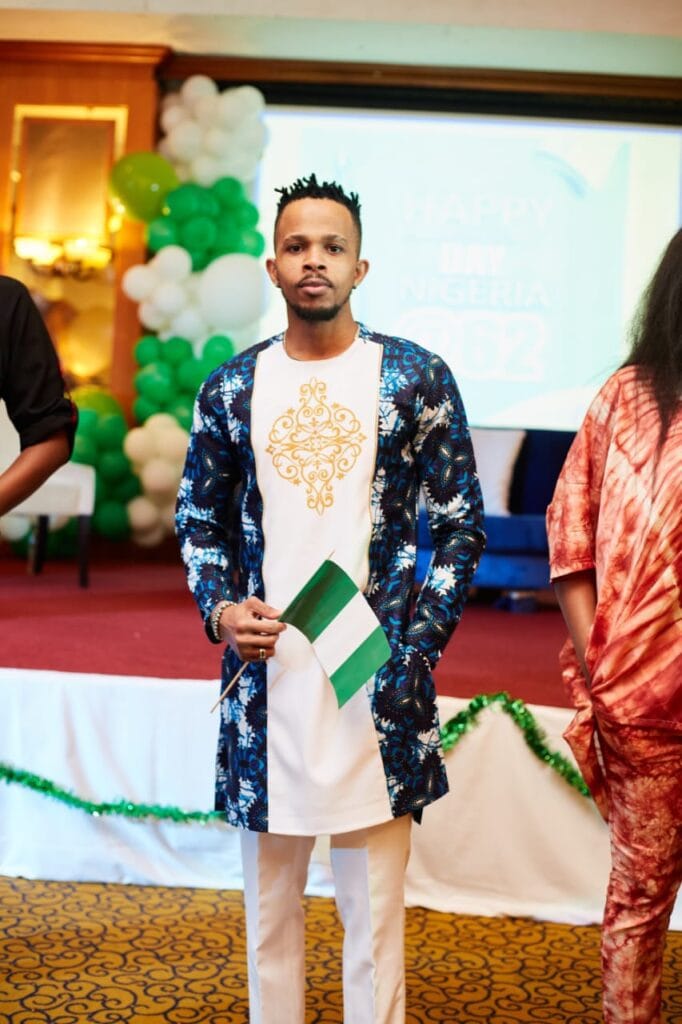
The use of saturated yellow and green is particularly effective in communicating optimism and cultural vibrancy, while the blue-based prints introduce a cooler visual counterpoint. Multicoloured striped elements add movement and youthfulness to the collection.
There is, however, an interesting tension between the collection’s title, BEAUTY IN BLACK, and its highly expressive colour palette. Rather than reading “black” simply as a colour, the collection can be interpreted through Black identity, African creativity and the beauty of African self-expression. That distinction gives the title greater conceptual potential.
African prints without being trapped by tradition.
Aroworayi’s strongest design decision is arguably his refusal to treat African textiles as something that must remain within conventional silhouettes.

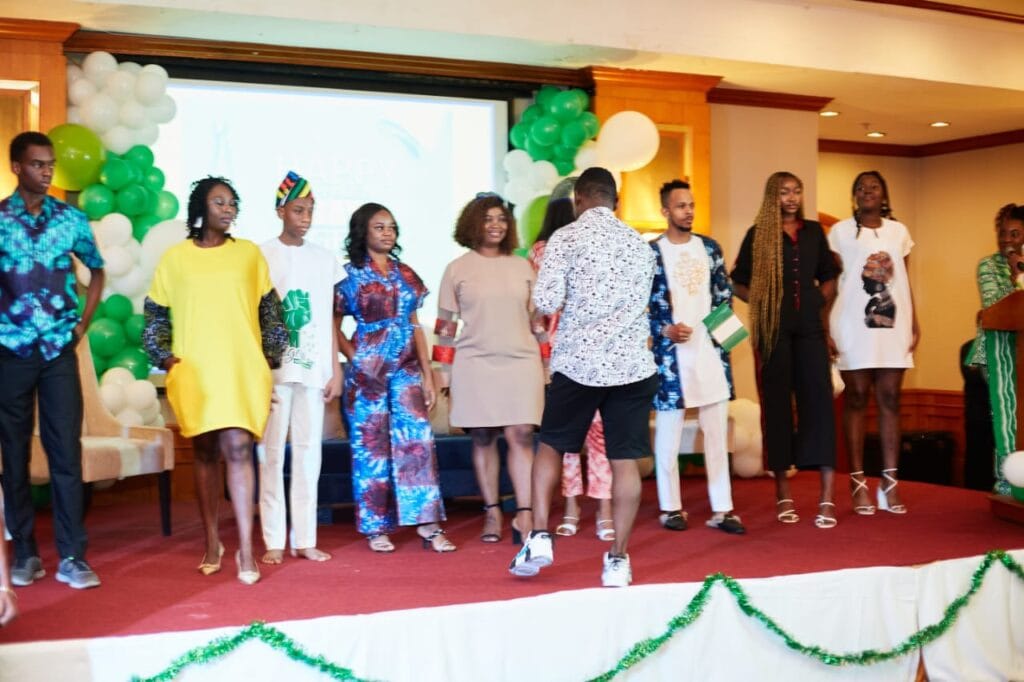
The collection takes recognisable African-inspired prints and places them into modern dresses, coordinated separates, trousers, shirts and relaxed forms. This creates a bridge between heritage and contemporary fashion.

The silhouettes are particularly significant because they make the collection accessible to a younger and more internationally minded audience. Instead of relying entirely on traditional Nigerian garments to communicate identity, Aroworayi allows the fabric, colour and styling to carry much of the cultural narrative.
This is consistent with GlamCityz’s contemporary description of his work at the exhibition as a fusion of African and Western styles, highlighting bold prints and modern silhouettes.
The unisex proposition
The decision to present BEAUTY IN BLACK as a unisex collection is another important aspect of Aroworayi’s approach.
Several of the looks demonstrate how African prints can move between masculine and feminine styling without losing their identity. The use of trousers, shirts, loose-fitting garments and coordinated separates creates a degree of flexibility that challenges the idea that African fashion must be divided rigidly between menswear and womenswear.
This approach also gives the collection commercial potential. Contemporary global fashion increasingly values garments that can communicate identity while allowing individual interpretation, and Aroworayi’s collection participates in that conversation through an African design vocabulary.
Silhouette and movement
The silhouettes favour ease, movement and wearability rather than excessive structural complexity. This is particularly visible in the relaxed dresses and trouser-based looks.
There is a deliberate contrast between the strength of the prints and the relative simplicity of some of the silhouettes. This is an effective choice because overly complicated construction could compete with the textiles themselves.
From a critical standpoint, however, some looks could benefit from greater variation in proportion and stronger styling differentiation. The collection sometimes allows the prints to become the dominant visual event, while more dramatic manipulation of shape could have pushed the editorial impact further.
That said, the restraint also demonstrates an understanding of an important design principle: not every element needs to compete for attention.
Cultural identity meets international fashion
Perhaps the most successful aspect of BEAUTY IN BLACK is its attempt to make African fashion understandable to an international audience without completely removing its cultural identity.
The collection does not simply reproduce traditional Nigerian clothing. Instead, it asks how Nigerian visual culture can be translated into contemporary fashion.
That question is increasingly important for African designers operating internationally.
Aroworayi’s presentation in Dubai is significant in this context. Dubai provided an international setting in which Nigerian design could be viewed outside its home market, while the collection itself attempted to communicate Nigerian identity through a combination of print, colour, silhouette and styling. The original GlamCityz coverage similarly described the exhibition as a meeting point between traditional Nigerian patterns and fabrics and contemporary Western fashion.
A collection with room to evolve
BEAUTY IN BLACK is not without areas for development. The presentation could have benefited from a more tightly controlled runway narrative, particularly in the relationship between styling, model presentation and individual looks. Some of the strongest garments might also have benefited from more focused visual framing.
But those observations do not diminish the central achievement of the collection.
Aroworayi demonstrates an ability to translate African cultural references into contemporary, wearable and gender-inclusive fashion, rather than simply reproducing established traditional forms.
More importantly, BEAUTY IN BLACK reveals a designer interested in the larger question of what African fashion can become when it enters an international environment.
The collection’s greatest strength is therefore not any single garment. It is the conversation between culture and contemporary design.
Presented in Dubai on Nigeria’s Independence Day, BEAUTY IN BLACK offered a visual statement that African fashion can retain its cultural identity while continuing to evolve, experiment and participate in the language of global fashion.
For Aroworayi, the collection was not simply about dressing the African body. It was about asking how African identity can be designed, interpreted and worn in a changing global fashion landscape.