




_thumb.webp)




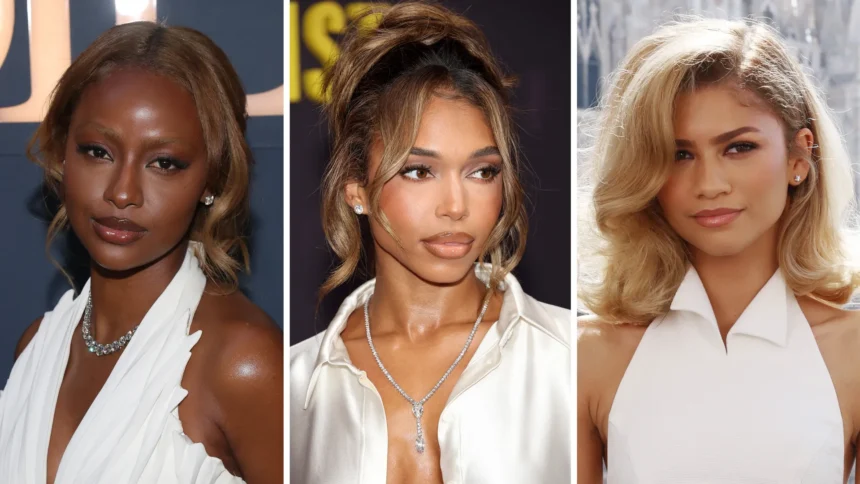
This year, I had zero motivation to book a salon appointment for my usual fall cut and colour. New-mom exhaustion aside, I’ve also been indecisive about what direction to take next. Then one beauty trend caught my attention and refused to let go: people dyeing their hair to closely match their skin tone.
A quick TikTok search for “dyeing hair to match skin tone” reveals an endless stream of creators—mostly Black women—softening their natural dark hair into warm browns, auburn blends, caramel tones, and even honey blondes. “A lot of my clients are requesting this service,” says New York–based hairstylist Angela Calisti. And honestly, the results are gorgeous.
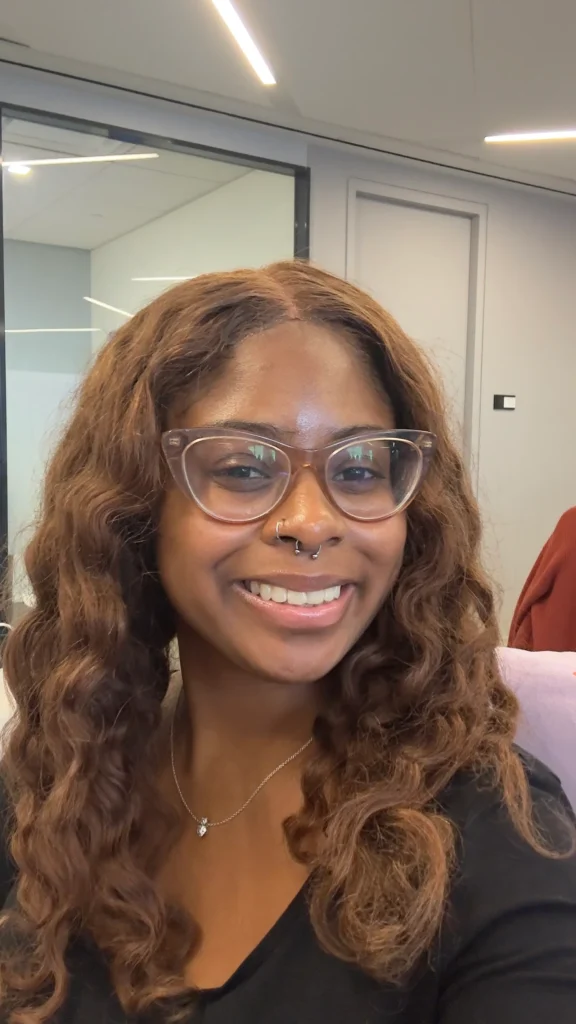

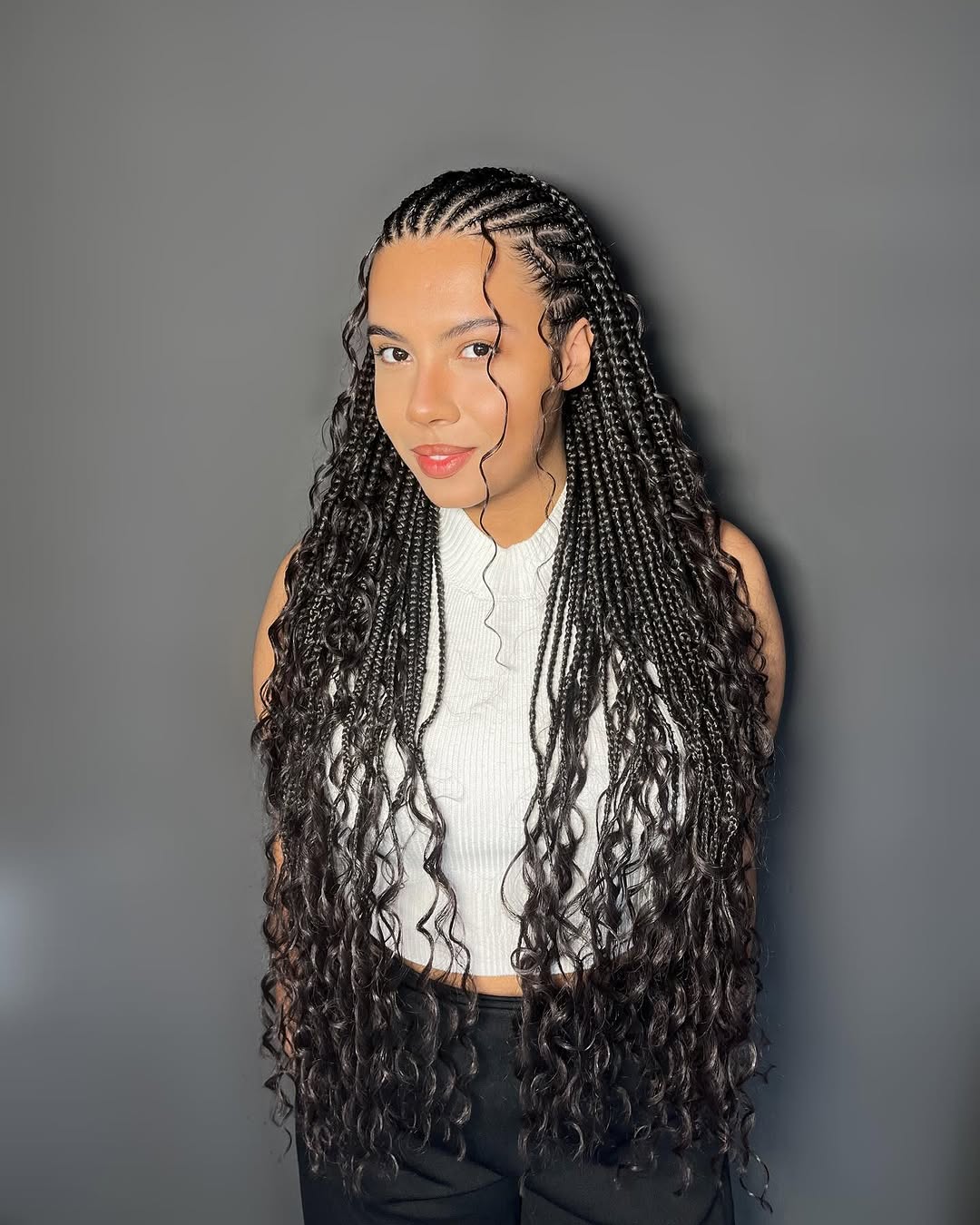
I wasn’t fully convinced until I saw Melanie Curry, Allure’s associate manager of audience development, walk into the office wearing a milk-chocolate wig that complemented her brown complexion perfectly. Later, she switched to braids in the same flattering shade. “I didn’t know this was a TikTok trend, but I’m absolutely here for it,” she says.
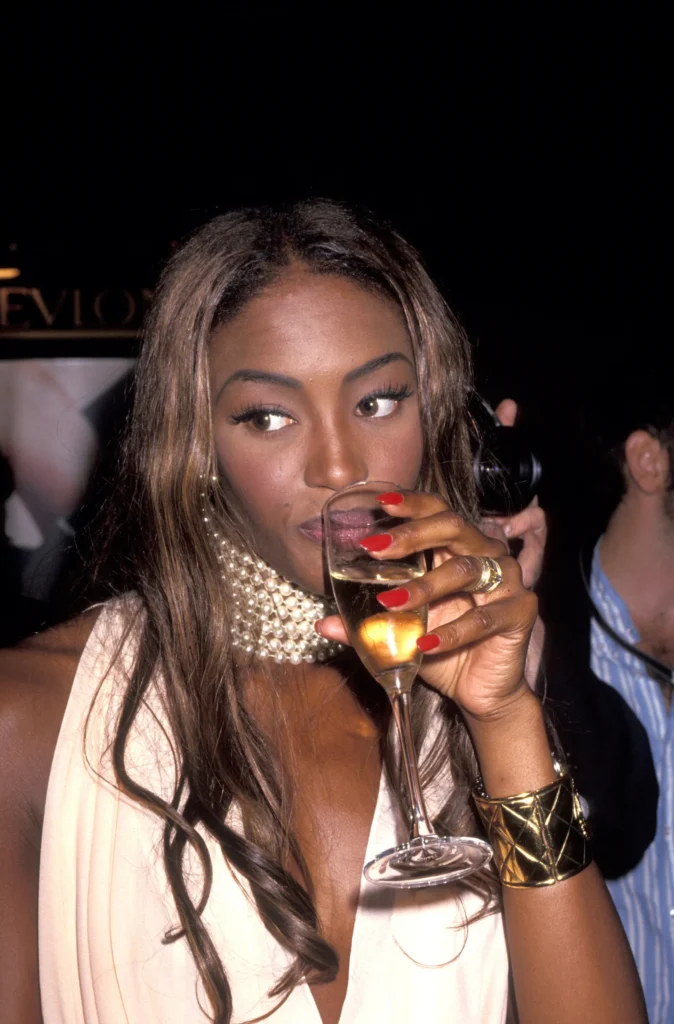
According to Los Angeles colourist Travis Ogletree, the match-your-melanin approach resurfaces every few years. “Naomi Campbell went caramel years ago, and that low-contrast aesthetic is trending again—thanks to TikTok,” he notes.
But here’s the real secret to making the look work: don’t match your skin tone exactly.
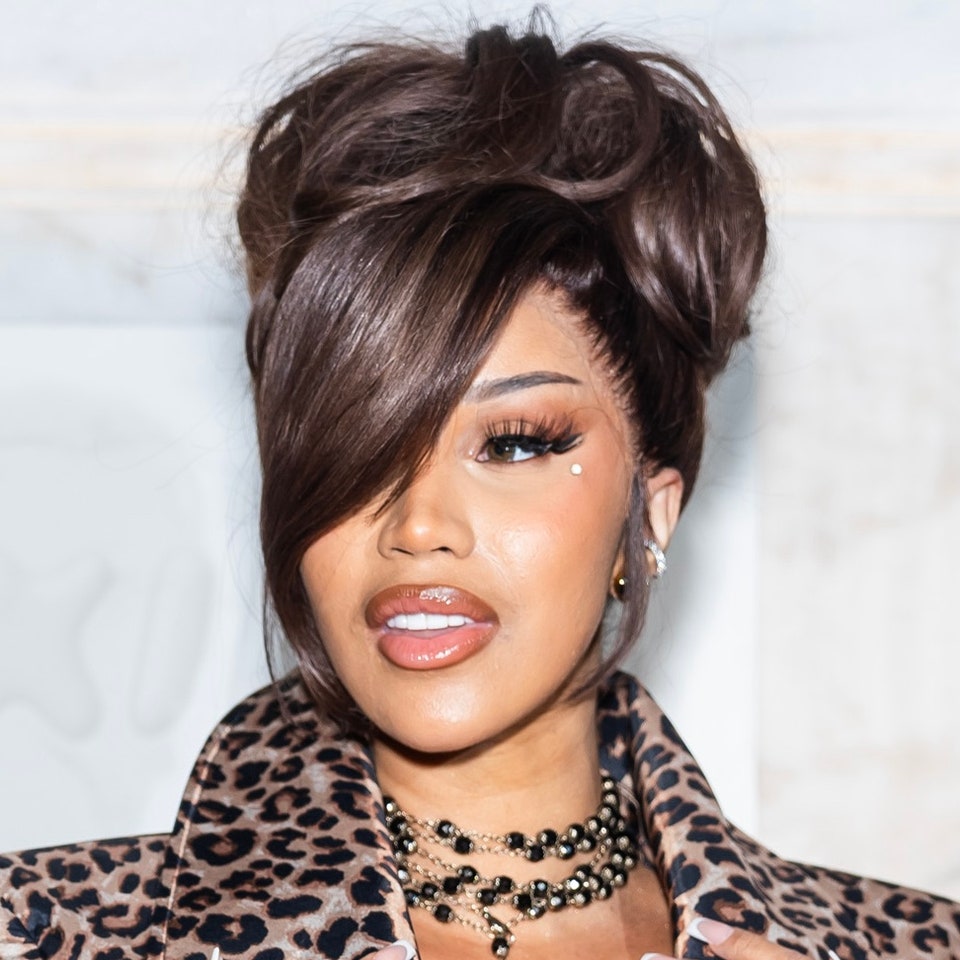
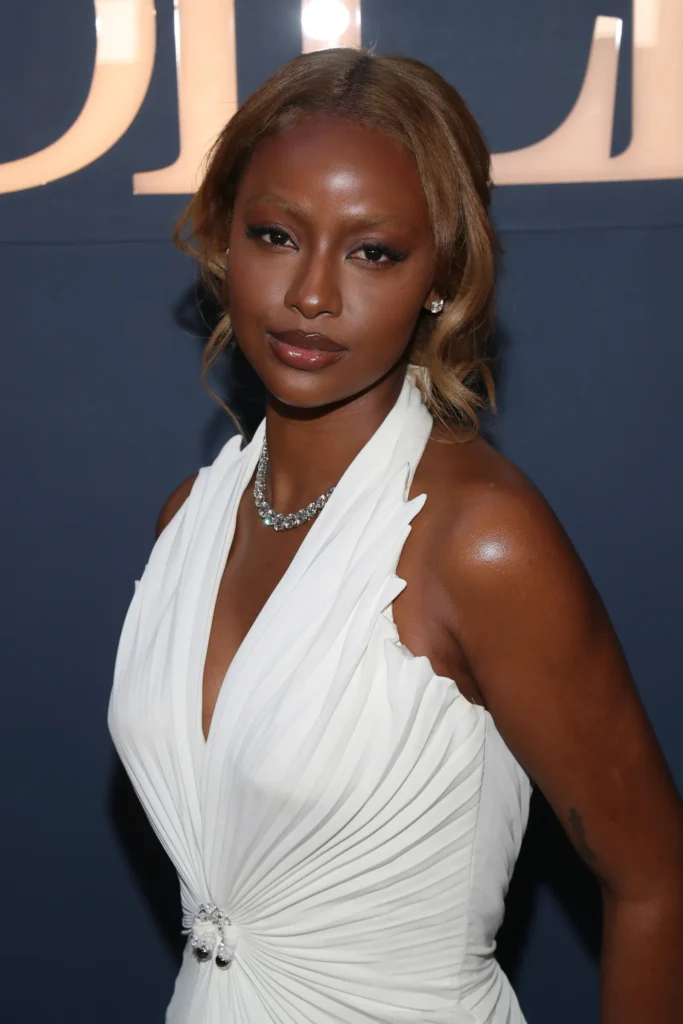
“If the colour is too identical with no dimension, it can look like a helmet,” says James Claytor, stylist, colourist, and Madison Reed educator. Instead, the goal is a shade that sits close to your complexion with soft highlights or depth, similar to Naomi Campbell or Justine Skye’s golden brown looks. The effect? A brighter complexion and enhanced features.
And while the trend may appear simple, experts recommend leaving this one to the professionals. “A colourist can identify what tones you naturally have and what complements them,” says Calisti. Her basic guide:
- Warm skin tones: golds, coppers, honey
- Cool skin tones: ash, mocha, icy hues
Claytor adds that using the wrong undertone—like an overly ashy brown on warm skin—can make the complexion look dull or grey.
If you’re struggling to picture how the trend would look on you, remember: it’s not one-size-fits-all. But it does tend to look especially striking on Black women, says Calisti, and generally flatters warm to medium skin tones. Fairer complexions can still join in, but warmth is key to avoiding looking washed out. Think Rosé’s rose-gold blonde, which adds just enough pink to brighten her skin.
Now that I’ve gathered every expert opinion and TikTok reference, I’m finally excited to try this complexion-matching colour at my next appointment.