



_thumb.webp)





People are shopping with more intention now. Instead of filling their wardrobes with quick buys, they are thinking long term. They are asking questions before paying: Will this last? Can I wear it in different ways? Is this brand responsible? This change in mindset is driving the move toward slow fashion.
Slow fashion is not about avoiding trends completely. It is about being thoughtful. It focuses on quality materials, careful production, fair treatment of workers, and designs that stay relevant beyond one season. It encourages buying fewer pieces that truly add value to your wardrobe.
For global brands, this shift is serious and cannot be ignored.
For years, many brands depended on speed. New collections dropped every few weeks. Social media pushed micro-trends that lasted only a short time. The goal was to keep customers constantly buying. But now, many shoppers feel overwhelmed by too many choices and disappointed by clothes that do not last.
Because of this, brands are being forced to rethink their approach in deeper ways.
Quality is no longer optional.
Customers are inspecting fabrics more closely. They check stitching, lining, and finishing before buying. If a shirt fades quickly or a dress loses shape after two washes, people remember. They share reviews online. One bad experience can affect brand reputation globally. This means brands must invest more in stronger textiles, better construction, and stricter quality checks. Cutting corners is becoming riskier.
Transparency builds trust
Consumers want to understand the journey of their clothes. Where was the fabric sourced? Who made the garment? Were workers treated fairly? Brands that openly share factory standards, sourcing methods, and sustainability goals gain credibility. Transparency is no longer a bonus feature. It is becoming an expectation. Silence creates suspicion in today’s digital world.
Pricing must reflect real value
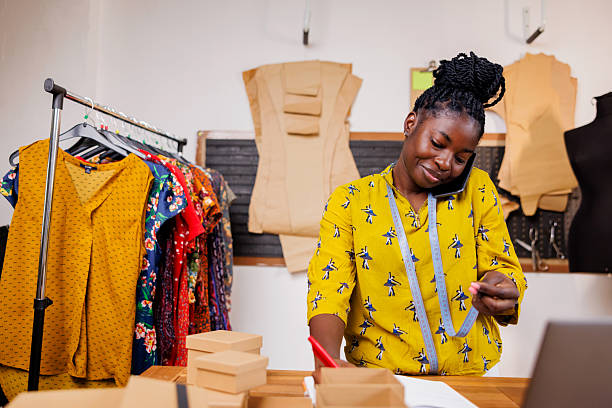
Shoppers are more comfortable paying higher prices when they see clear value. If a piece is durable, versatile, and responsibly made, customers see it as an investment. But if pricing feels high without visible quality, they question it. Slow fashion pushes brands to justify their pricing through craftsmanship, durability, and ethical practices, not just brand name.
Design strategy is changing
Instead of focusing only on what is trending this month, brands are developing core collections with timeless appeal. Clean cuts, balanced shapes, neutral tones, and adaptable pieces are becoming central. These items can be styled in many ways and worn across different seasons. This approach encourages customers to build a wardrobe instead of chasing trends.
Production models are evolving
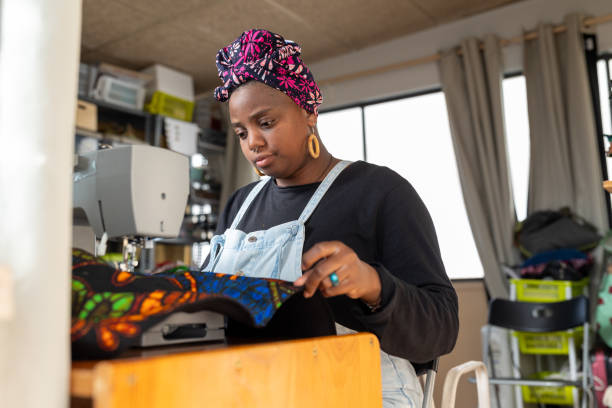
Overproduction leads to waste, unsold stock, and heavy discounts that damage brand image. Slow fashion encourages smaller production runs and better forecasting. Some brands are introducing pre-orders to measure demand before manufacturing. Others are limiting seasonal drops to reduce excess inventory. This reduces waste and protects brand value.
Read More

Customer loyalty is becoming deeper
When shoppers trust a brand’s quality and values, they stay longer. Instead of buying once during a sale, they return because they believe in the product. Slow fashion strengthens this relationship. It shifts the focus from one-time purchases to long-term connection.
For global brands, this shift is both challenging and promising. It requires restructuring supply chains, improving materials, and slowing down production speed. That can be costly in the short term. But in the long term, it builds stronger reputation, customer trust, and brand stability.
Slow fashion is not just a passing conversation. It reflects a wider change in how people see consumption, value, and responsibility. Customers want clothes that last, brands they can trust, and purchases they feel good about.
Global brands that adapt thoughtfully will not only keep up with this shift. They will lead the next phase of fashion where quality, purpose, and long-term thinking matter more than speed alone.