




GlamCityzGlamCityzGlamCityz
  • Fashion
    • Ankara
    • LookBook
  • Beauty
  • Style
  • Wellness
  • Lifestyle
  • Weddings
    • Asoebi
    • Owambe
Reading: Why Fashion Brands in Nigeria Are Becoming Micro Tech Companies
Share
Font ResizerAa
GlamCityzGlamCityz
Font ResizerAa
  • Home
  • Fashion
  • Style
  • News
  • Beauty
  • Weddings
  • GlamTalks
  • Owambe is Online
Search
  • Home
  • Fashion
  • Style
  • News
  • Beauty
  • Weddings
Have an existing account? Sign In
Follow US
  • About Us
  • Contact Us
  • Privacy Policy
  • Advertise With Us
  • Terms & Conditions
© 2025 GlamCityz. All Rights Reserved. A Hervance Media Brand
Business

Why Fashion Brands in Nigeria Are Becoming Micro Tech Companies

GlamCityz
Last updated: February 26, 2026 10:51 pm
By
GlamCityz
Avatar photo
ByGlamCityz
Glamcityz is a lifestyle brand spotlighting fashion, beauty, weddings, and modern trends—curating style inspo to help you look good for your wedding, work, or any event.
Follow:
Share
SHARE
Highlights
  • Nigerian fashion brands are no longer operating as purely creative businesses. They now depend heavily on digital systems such as Instagram, payment gateways, delivery platforms, and inventory tools to function daily.
  • The shift to structured payment platforms changed how fashion businesses think. Revenue is now trackable, transactions are measurable, and decision making is becoming more data informed rather than instinct based.
  • Social media has introduced operational discipline. Brands must manage response time, content consistency, engagement metrics, and audience behaviour to remain visible and competitive.
  • Data is quietly becoming an asset. Brands that understand customer patterns, pricing behaviour, and sales cycles are gaining a competitive edge over those that operate emotionally.
  • Automation tools such as order forms, spreadsheets, and digital confirmations are reducing chaos and helping brands build repeatable systems that support growth.
  • The modern Nigerian fashion founder now plays a hybrid role, balancing creativity with systems management, digital coordination, and operational thinking.
Add Glamcityz on Google
Stay updated with our latest fashion edits and wedding stories. Add Glamcityz as a preferred source on Google.

Featured Vendors

Handpicked from OiO

OiO Picks
Wumiwest Beauty Bar
Wumiwest Beauty Bar Promoted
Ozi_nails_n_more
Ozi_nails_n_more
Kaajsignatures
Kaajsignatures
Cakeurbs
Cakeurbs
Jan Eight Studio
Jan Eight Studio
Beautybytina makeover

There is a quiet shift happening inside many Nigerian fashion brands. On the surface, they still look like tailoring businesses driven by creativity, fittings, and photoshoots. But beneath that creative layer, something more structured is forming. Many fashion brands are gradually operating like micro tech companies, even if they would never describe themselves that way.

Contents
  • Fashion Is Now Dependent on Digital Systems
  • Payment Platforms Reshaped Business Thinking
  • Data Is Becoming a Competitive Advantage
  • Social Media Introduced Operational Discipline
  • Automation Is Reducing Chaos
  • The Emergence of a Hybrid Founder

This change did not happen because designers suddenly became interested in technology. It happened because growth, competition, and customer expectations forced them to become more organised. As visibility increased through social media and online platforms, the old informal ways of doing business began to break down. What once worked at a small scale became chaotic at a larger one. To survive, brands had to adopt systems.

Fashion Is Now Dependent on Digital Systems

Running a fashion brand today involves far more than sewing clothes. Most brands rely on Instagram for visibility, WhatsApp for conversations, payment gateways for transactions, delivery services for logistics, and sometimes websites for storefront operations. Each tool plays a specific role, and together they form a digital ecosystem that must function smoothly.

Managing these tools requires coordination and attention. If payment systems fail, revenue stalls. If Instagram engagement drops, inquiries slow down. If delivery tracking is unclear, customer trust suffers. These are not creative problems alone. They are operational challenges that require structured thinking. In many ways, fashion founders are managing small technology stacks without calling them that.

Payment Platforms Reshaped Business Thinking

One of the clearest signs of this transformation is the shift toward digital payments. Before structured payment platforms became common, designers relied heavily on manual confirmations, screenshots, and trust. Today, many brands generate payment links, track transactions digitally, and maintain clearer financial records.

When payments become structured, decision-making changes. Brands can see patterns in revenue. They can track peak sales periods. They can measure refunds and cancellations. This visibility allows them to plan more intentionally rather than relying on memory or instinct. That mindset shift, from informal to measurable, mirrors how technology-driven companies operate.

Data Is Becoming a Competitive Advantage

Most fashion brands may not speak openly about analytics, but they interact with data daily. They know which styles sell quickly, which posts generate inquiries, and which customers return repeatedly. They observe which months are slower and which price points receive resistance.

The brands that pay closer attention to these patterns gain an advantage. They can forecast demand more accurately and adjust pricing with greater confidence. They can focus marketing efforts where results are strongest. This transition from reacting emotionally to responding strategically marks a major shift in how fashion businesses function.

Social Media Introduced Operational Discipline

Social media platforms may appear casual, but they operate on structured algorithms. Visibility depends on consistency. Response time affects credibility. Engagement metrics influence reach. To remain competitive, brands must think beyond aesthetics and consider timing, performance, and audience behaviour.

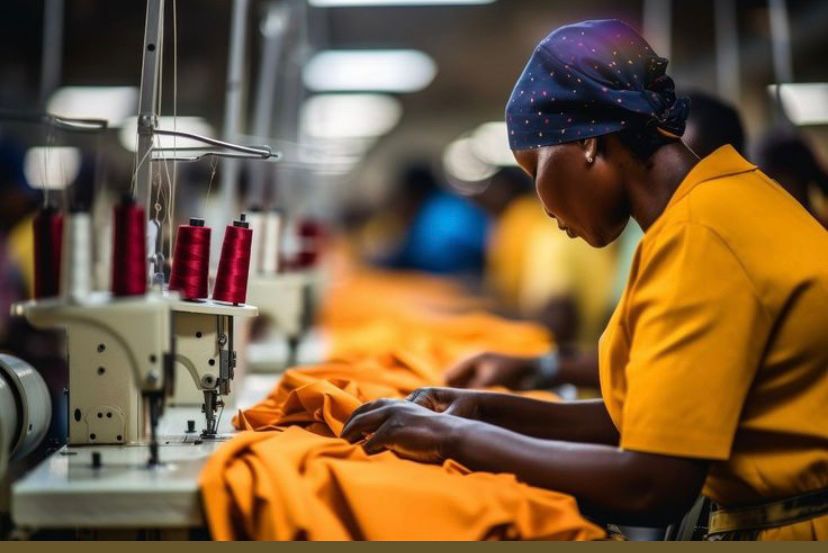
This pressure has introduced operational discipline into fashion. Content must be scheduled. Engagement must be monitored. Customer inquiries must be handled quickly and professionally. These processes resemble digital operations management more than traditional tailoring.

Read More

From Chat App to Business Tool: How WhatsApp Became Essential for Fashion Businesses in Nigeria
Forbes 2026 Black Billionaires List: Nigerians Dominate Africa’s Wealth Rankings
The Fintech Behind the Fabrics: How Moniepoint Is Quietly Powering Nigeria’s Fashion Industry
Why Good Tailors Are Always Busy but Rarely Rich
The Role of Social Media in Nigeria’s Fashion Economy

Automation Is Reducing Chaos

Automation is slowly entering many fashion workspaces, even if it goes unnoticed. Order forms replace verbal agreements. Shared spreadsheets track production timelines. Automated payment confirmations reassure customers. Simple customer management systems reduce repeated explanations.

These changes may appear small, but they reduce friction. When workflows are documented and repeatable, errors decrease and growth becomes manageable. This structured approach is similar to how early-stage tech companies organise themselves before scaling further.

The Emergence of a Hybrid Founder

The modern Nigerian fashion founder occupies a hybrid role. They are creative directors, but they are also system managers. They coordinate digital tools, analyse engagement metrics, integrate payment platforms, and oversee logistics. They may not build software, but they rely on it daily to keep operations running smoothly.

Fashion brands in Nigeria are becoming micro tech companies because structure is no longer optional. Digital infrastructure underpins visibility, payments, communication, and delivery. As the industry continues to evolve, the brands that thrive will not simply be the most stylish. They will be the most organised and technologically aware.

The product may still be fabric and thread, but the engine powering modern fashion businesses is increasingly digital.


Liked What You Read? Let’s Keep It Going!
Subscribe to get fresh posts, fashion inspo, & exclusive content straight to your inbox.
By subscribing, you agree with our privacy policy and our terms of service.
TAGGED:BusinessFashionNigerian Fashion Brand
Share
Leave a Comment Leave a Comment

Leave a Reply Cancel reply

Your email address will not be published. Required fields are marked *

Popular Post

Enioluwa And Phina Just Served Power Couple Style And Every Detail Is Hitting Right
Style
The Business Move Most Fashion Brands in Nigeria Are Sleeping On And Why It’s Costing Them
Fashion
Justin Bieber, Wizkid & Tems Shine at Coachella with “Essence” Performance
Music
Owambe is Online Issue 57
Owambe Is Online — Issue 57: The Geles Were High, The Fits Were Loud, But Some Looks Said Everything Without Trying
Owambe is Online
A Golden Style Moment As Celebrities Turn Diiadem’s 35th Birthday Into A Full Owambe Fashion Showcase
Fashion

GLAMCITYZ RECOMMENDS

Fashion in Nigeria
GlamTalks

How the Ongoing Middle East Conflict Could Affect Fashion in Nigeria

7 Min Read
Event Ticketing Tix and Partyverse
Business

Tix, Partyverse, and the New Race to Control Nigeria’s Event Ticketing

7 Min Read
Business

Why Fashion Designers and Tailors in Nigeria Are Tired

4 Min Read
Fashion Brands in Nigeria
Business

Why Fashion Brands in Nigeria Are Moving to Paid-First Models

4 Min Read

Subscribe
  • Home
  • Fashion
  • Style
  • News
  • Beauty
  • Weddings
  • GlamTalks
  • Owambe is Online
  • ABOUT US
  • CONTACT US
  • PRIVACY POLICY
  • TERMS & CONDITIONS
  • ADVERTISE WITH US
Hervance Media

This publication is a Hervance Media brand.

© 2026 Hervance Media, LLC.
All rights reserved.

30 Hottest & Most Glamorous Looks of 2026

BE THE FIRST TO KNOW

Stay ahead of the curve—get the hottest fashion and style trends delivered to your inbox daily, absolutely free!

Enter your email address
Welcome Back!

Sign in to your account

Username or Email Address
Password

Lost your password?