




There is a quiet ceiling that many Nigerian fashion brands hit. They grow fast at the beginning, attract attention, build a loyal audience, and then stall. Not because the clothes are bad. Not because the founder is untalented. But because the brand never truly becomes bigger than the person who started it.
This pattern shows up again and again across the industry, and it has less to do with creativity and more to do with structure.
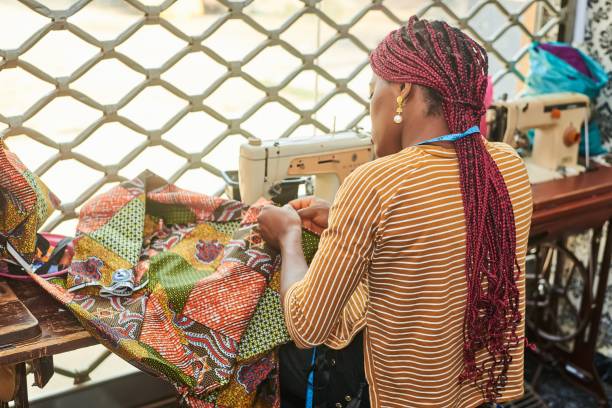
Most fashion brands in Nigeria are built around a single human engine. The founder designs, prices, markets, approves, sells, manages tailors, answers DMs, negotiates fabrics, and puts out fires. In the early days, this feels like dedication. Over time, it becomes the bottleneck.
The brand cannot move faster than the founder’s energy. It cannot scale beyond the founder’s time. Growth becomes exhausting, not exciting.
The founder never separates themselves from the business.
The first major problem is that many founders never separate themselves from the brand’s operations. Everything is routed through one decision-maker. No systems. No documented processes. No delegation with authority. Only helpers are waiting for instructions. When the founder steps away, even briefly, the brand slows down or stops entirely.
Read More

This is why some brands disappear the moment the founder gets tired, distracted, or overwhelmed. The business was never designed to stand on its own.
Emotional Ownership
The second issue is emotional ownership. Many founders treat the brand like an extension of their identity rather than an entity that must evolve. Every critique feels personal. Every suggestion feels like an attack. As a result, growth conversations are avoided, and uncomfortable changes are postponed indefinitely.
This emotional attachment often shows up in hiring. Instead of hiring people who can challenge decisions or improve systems, founders hire people who obey. That keeps control intact, but it quietly kills growth.
Another major factor is the absence of pricing discipline. Many brands underprice their work out of fear. Fear of losing customers. Fear of seeming expensive. Fear of being rejected. What happens next is predictable. Demand grows, stress increases, margins disappear, and quality suffers. The founder works harder but earns less.
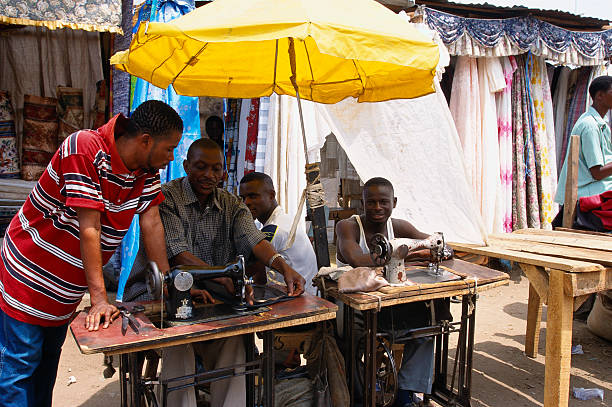
At that point, scaling becomes impossible because the brand is already tired at its current size.
Some brands manage to break out of this cycle by making uncomfortable shifts early. They formalize operations. They standardize pricing. They reduce founder dependency. They think beyond Instagram applause and focus on sustainability.
You can see this difference when you compare brands that feel like personalities versus brands that feel like institutions. Personality-led brands rise quickly but are fragile. Institution-led brands grow more slowly but last longer.
In Nigeria, where infrastructure is weak and the environment is tough, this distinction matters even more. A brand that depends entirely on one person is one personal crisis away from collapse.
Growing beyond the founder does not mean losing creative direction. It means protecting it. It means building systems that allow the founder to think, design, and lead rather than constantly react.
The hard truth is this. Many Nigerian fashion brands are not stuck because of a lack of exposure. They are stuck because they were never designed to scale beyond one human being.
Until founders are willing to let the brand grow up, the brand will remain small, no matter how loud the applause gets.