




Nigeria’s fashion industry is loud in creativity, colour, and culture. But the systems that keep it running are quiet. Behind Instagram fashion vendors, bridal designers, pop-up stores, tailors, and fashion events is a financial layer most people don’t see: fintech.
- 1. Fintech Has Changed How Fashion Is Bought and Sold
- 2. Instagram Fashion Businesses Run on Fintech
- 3. Buy Now, Pay Later Is Expanding Access to Fashion
- 4. Fintech Supports Fashion Entrepreneurs Behind the Scenes
- 5. Pop-Ups, Fashion Shows, and Events Depend on Fintech
- 6. Fintech Is Taking Nigerian Fashion Global
- 7. Fintech Is Influencing Fashion Consumer Behaviour
- Why This Matters
- The Quiet Truth
From how clothes are paid for to how designers scale their businesses, fintech is quietly shaping how Nigeria’s fashion industry operates today.
1. Fintech Has Changed How Fashion Is Bought and Sold
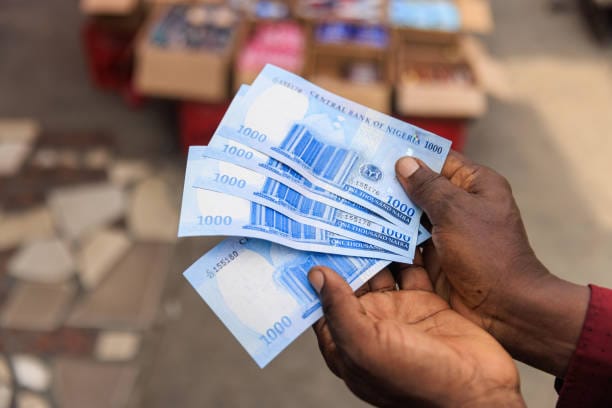
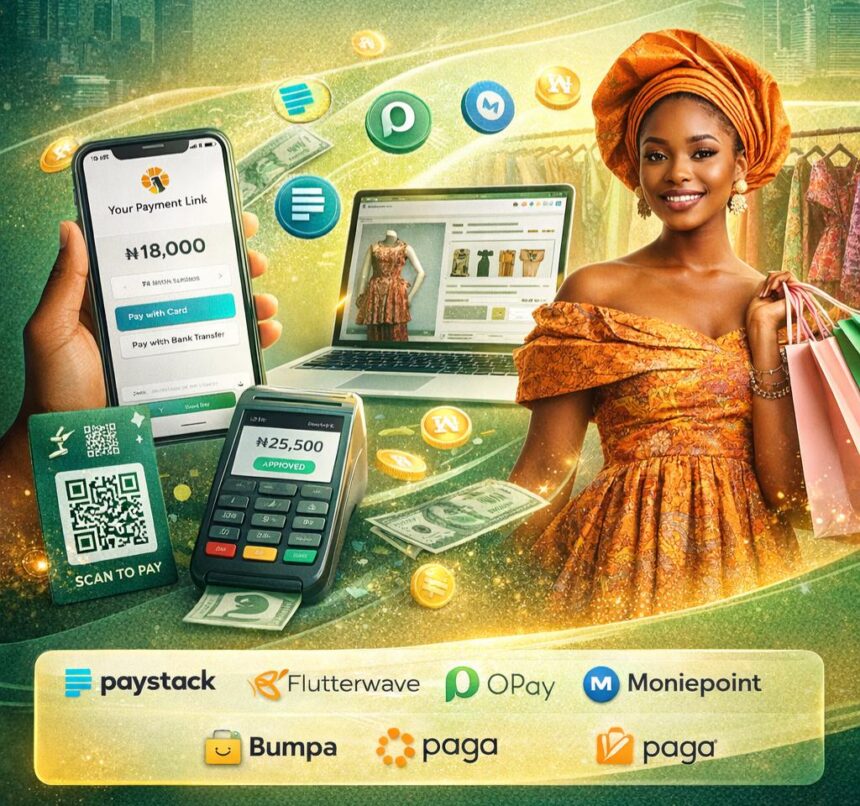
Fashion transactions are no longer limited to cash or physical stores. Today, many fashion purchases happen through:
- Instant bank transfers
- Payment links
- POS machines
- Mobile wallets
Platforms like Paystack and Flutterwave allow fashion vendors to collect payments easily from customers both locally and internationally. This removes friction between interest and purchase. When payment is seamless, sales happen faster.
Read More: Tech vs Fashion 2025: The Billion-Dollar Gap That Defines the Future
2. Instagram Fashion Businesses Run on Fintech
A large number of Nigerian fashion brands didn’t start with boutiques or showrooms. They started with Instagram, WhatsApp, a smartphone, and a fintech tool.
Platforms like Bumpa help fashion vendors manage orders, track customers, create invoices, and run their businesses professionally without needing technical knowledge. Fintech turned social media selling into a structured business system.

3. Buy Now, Pay Later Is Expanding Access to Fashion
Fintech has changed not just how people pay, but who can afford what.

Buy-now-pay-later solutions have made it easier for customers to invest in:


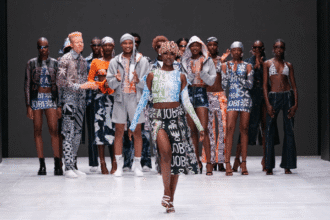
- Wedding outfits
- Asoebi styles
- Luxury pieces
- Special event looks
By spreading payments over time, fintech has quietly increased demand, especially during wedding seasons, festive periods, and major social events.
4. Fintech Supports Fashion Entrepreneurs Behind the Scenes
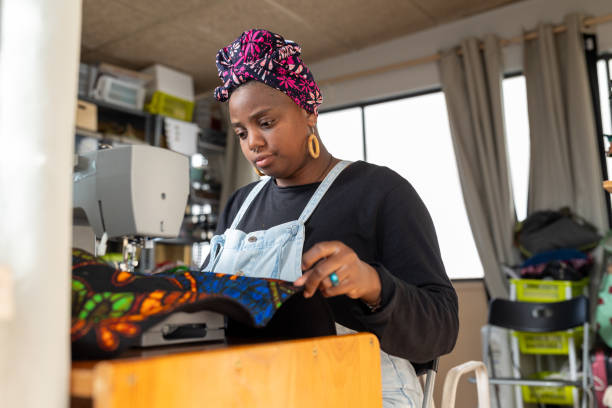
Running a fashion business involves more than creativity. There are expenses, cash flow gaps, supplier payments, and daily financial decisions.
Fintech platforms like Moniepoint and Opay support fashion entrepreneurs by offering:
- Business accounts
- POS services
- Faster settlements
- Simplified financial management
For many designers and vendors, fintech has replaced traditional banking systems that were slow or inaccessible.
5. Pop-Ups, Fashion Shows, and Events Depend on Fintech
Nigeria’s fashion ecosystem thrives on events. Pop-up shops, bridal exhibitions, fashion shows, and trunk sales rely heavily on quick transactions.
Fintech enables:
- On-the-spot payments
- QR code scanning at booths
- Cashless shopping experiences
- Faster vendor payouts
Without fintech, many fashion events would struggle to operate efficiently in today’s cash-light environment.
6. Fintech Is Taking Nigerian Fashion Global
Nigerian designers are no longer limited to local customers. Many now sell to clients abroad and receive payments internationally.
Payment platforms like Paystack and Flutterwave make it easier to accept foreign payments, reducing dependence on middlemen and complicated banking processes. This has helped Nigerian fashion brands expand globally while remaining independent.
7. Fintech Is Influencing Fashion Consumer Behaviour
How people pay affects how they shop.
With fintech:
- Spending feels easier
- Online shopping feels safer
- Impulse purchases increase
- Customers try new brands more confidently
This shift has helped emerging designers gain visibility and trust faster than ever before.
Why This Matters
Fintech doesn’t replace creativity. It supports it.
Designers still design. Stylists still style. Fashion still tells stories. But fintech provides the infrastructure that allows fashion businesses to scale, survive, and grow in a digital-first economy.
Without fintech, many fashion brands would remain informal or unstable. With it, they become structured, sustainable, and scalable.
The Quiet Truth
Fashion shapes culture.
Fintech builds the system behind the culture.
Nigeria’s fashion industry may appear to be about fabric, glamour, and aesthetics on the surface, but underneath, it is a financial engine quietly driving everything forward.
As fintech continues to evolve, fashion will continue to grow alongside it.