




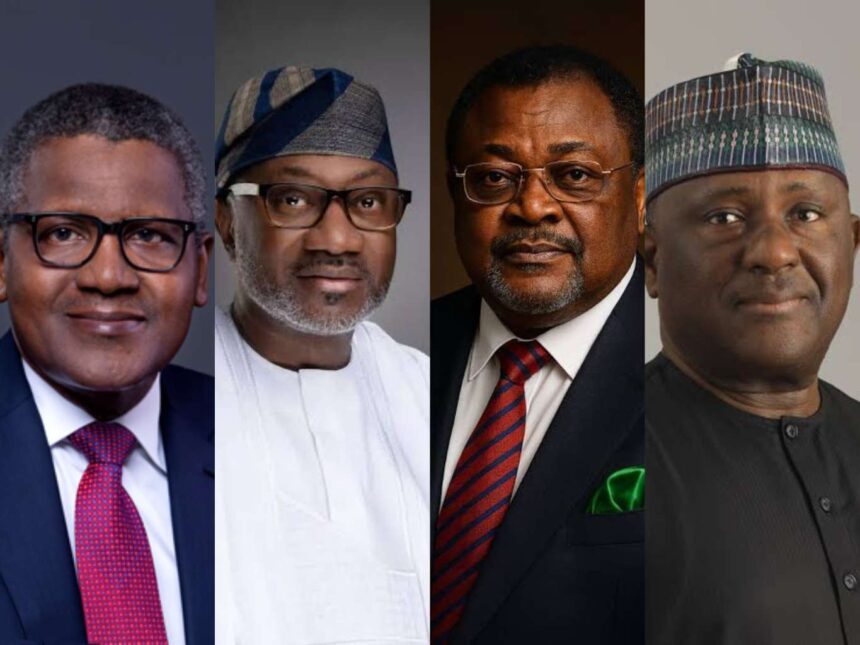
Forbes’ 2026 ranking of the world’s Black billionaires highlights a powerful shift in global wealth, with African entrepreneurs, particularly Nigerians, playing a major role. From cement and telecom to energy and infrastructure, these business leaders are not only building fortunes but also shaping industries across the continent and beyond.
While the list features icons from sports, entertainment, and technology, Nigeria stands out as one of the most represented countries, reinforcing its status as Africa’s economic powerhouse.
Nigerians Who Made the 2026 Black Billionaires List
Nigeria produced some of the most influential names on the ranking, led by industrial giants whose businesses touch millions of lives daily.
Aliko Dangote — $28.5B | Cement, Sugar (Dangote Group)
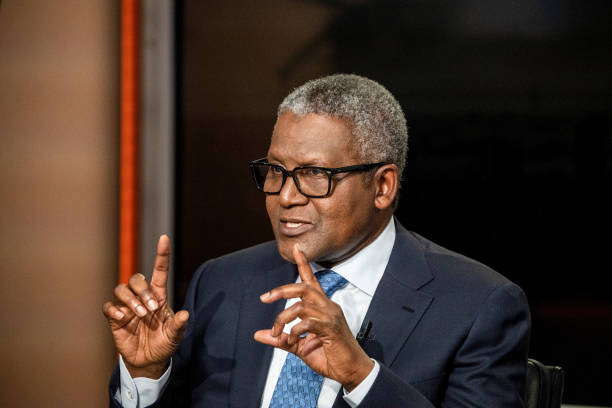
Dangote remains the richest Black person in the world by a wide margin. His conglomerate dominates cement production across Africa and continues expanding into oil refining, agriculture, and manufacturing. The Dangote Refinery, one of the largest in the world, is expected to reshape Nigeria’s energy landscape.
Abdulsamad Rabiu — $11.2B | Cement, Sugar (BUA Group)
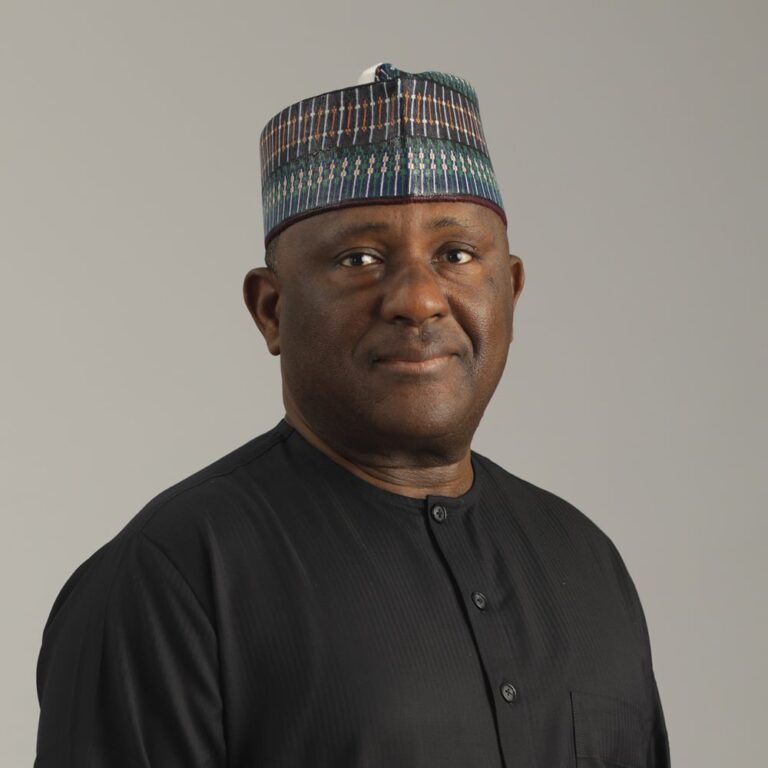
Rabiu has rapidly built BUA Group into a major competitor in Nigeria’s cement and sugar industries. His aggressive expansion strategy and investments in infrastructure have made him one of Africa’s fastest-rising billionaires.
Mike Adenuga — $6.5B | Telecom, Oil (Globacom)

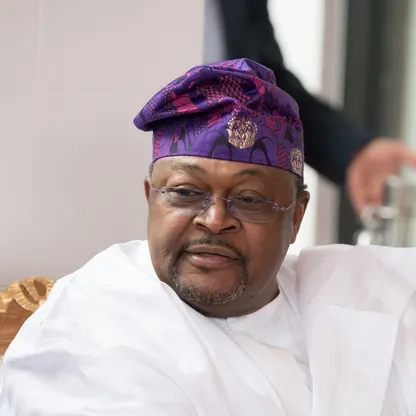
Adenuga is the founder of Globacom, Nigeria’s second-largest telecom operator, and also holds significant oil assets. Known for his low public profile, he remains one of the country’s most influential business figures.
Adebayo Ogunlesi — $2.5B | Private Equity (Global Infrastructure Partners)
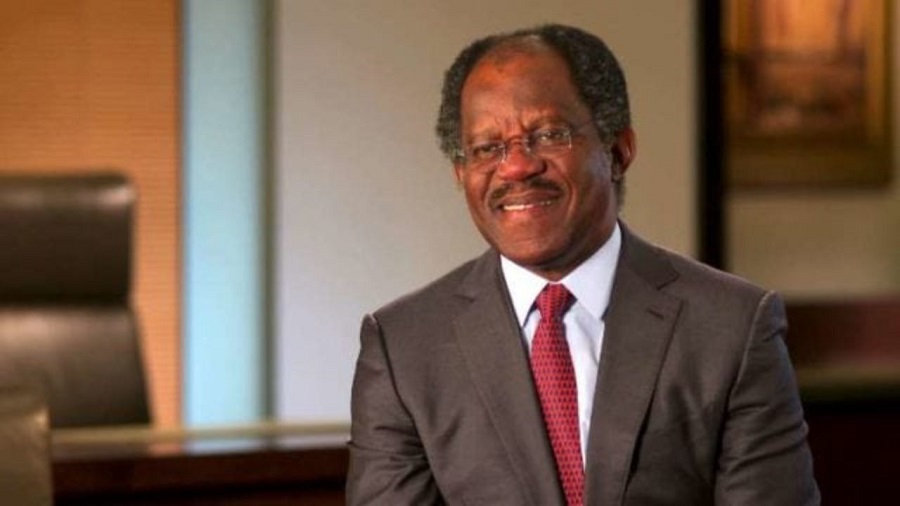
Ogunlesi’s firm manages major infrastructure assets worldwide, including airports, energy projects, and transport systems. His influence extends far beyond Nigeria, placing him among the most influential Nigerians in finance globally.
Tope Awotona — $1.4B | Software (Calendly)
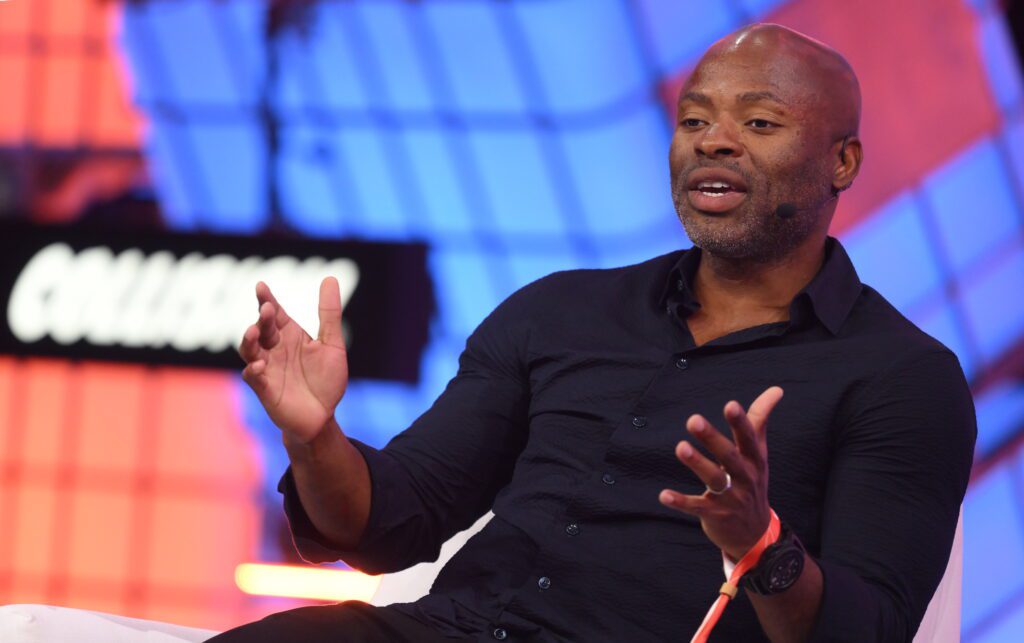
Awotona represents a new generation of Nigerian tech success stories. His scheduling platform, Calendly, became a global productivity tool used by millions, demonstrating that Nigerian entrepreneurs are thriving in Silicon Valley as well.
Femi Otedola — $1.3B | Energy, Utilities
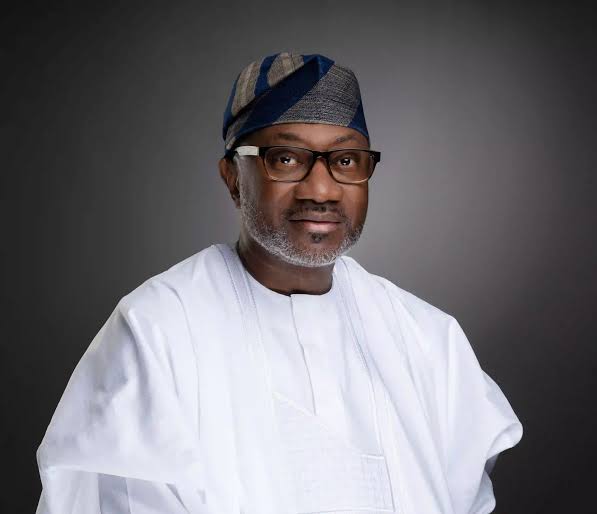
Otedola built his fortune in oil marketing and energy investments. In recent years, he has shifted toward power generation and strategic corporate investments, including major stakes in Nigerian financial institutions.
Other Notable Billionaires on the List
Beyond Nigeria, the ranking includes influential figures from the United States, South Africa, Zimbabwe, and other regions.
Technology, private equity, sports, and entertainment remain strong wealth drivers. Names like Alexander Karp (Palantir), Robert Smith (Vista Equity Partners), Oprah Winfrey, Jay-Z, Rihanna, Beyoncé, Michael Jordan, LeBron James, and Tyler Perry highlight how cultural influence and business ownership increasingly go hand in hand.
African representation also includes Patrice Motsepe of South Africa and Strive Masiyiwa of Zimbabwe, both pioneers in mining and telecommunications, respectively.
What This Means for Nigeria and Africa
Nigeria’s strong presence on the list reflects the country’s entrepreneurial culture and large domestic market. Industries such as cement, telecom, energy, and technology continue to produce billion-dollar enterprises capable of competing globally.
It also signals a transition in African wealth creation, from traditional commodities to infrastructure, digital services, and innovation-driven businesses.
More importantly, the rise of tech founders like Tope Awotona suggests that future rankings may feature even more African entrepreneurs building global companies from both within and outside the continent.
The Full Forbes 2026 Black Billionaires List
- Aliko Dangote — $28.5B | Cement, sugar (Dangote Group)
- Alexander Karp — $13.4B | Software and data analytics (Palantir Technologies)
- David Steward — $12.4B | IT services (World Wide Technology)
- Abdulsamad Rabiu — $11.2B | Cement, sugar (BUA Group)
- Robert Smith — $10B | Private equity (Vista Equity Partners)
- Mike Adenuga — $6.5B | Telecom, oil (Globacom)
- Michael Jordan — $4.3B | Sports, endorsements
- Patrice Motsepe — $4.3B | Mining (African Rainbow Minerals)
- Oprah Winfrey — $3.2B | Television, media
- Jay-Z — $2.8B | Music, investments
- Adebayo Ogunlesi — $2.5B | Private equity (Global Infrastructure Partners)
- David Grain — $2.3B | Private equity (Grain Management)
- Strive Masiyiwa — $2.1B | Telecom (Econet Group)
- Magic Johnson — $1.6B | Sports, investments, entertainment
- Tiger Woods — $1.5B | Golf, endorsements
- Herriot Tabuteau — $1.5B | Healthcare (Axsome Therapeutics)
- Tope Awotona — $1.4B | Software (Calendly)
- LeBron James — $1.4B | Basketball, endorsements
- Tyler Perry — $1.4B | Movies, television, media ownership
- Mohammed Ibrahim — $1.3B | Communications (Celtel International)
- Stefan Kaluzny — $1.3B | Private equity (Sycamore Partners)
- Femi Otedola — $1.3B | Energy, utilities
- Sheila Johnson — $1.2B | Cable TV, hospitality
- Dr. Dre — $1B | Music, electronics (Beats by Dre)
- Robert Johnson — $1B | Cable TV, sports (BET)
- Beyoncé Knowles-Carter — $1B | Music, cosmetics, apparel
- Rihanna — $1B | Music, cosmetics (Fenty Beauty)
The 2026 ranking shows that Black wealth is increasingly global, diverse, and driven by ownership. For Nigeria, the presence of multiple billionaires across traditional and modern sectors signals both economic strength and future potential.
As more African entrepreneurs build scalable businesses, the continent’s influence on global wealth rankings is likely to grow even further.