




_thumb.webp)




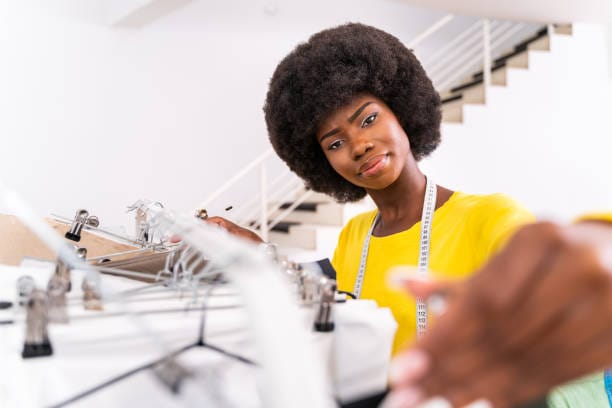
Trends move fast. One season it is an oversized structure, the next it is clean minimal lines. Colours rise, fade, and return again. For years, fashion thrived on this cycle of constant change. But in this era, many brands are shifting focus. Instead of chasing what is hot for the moment, they are building pieces and identities that remain relevant for years.
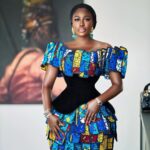
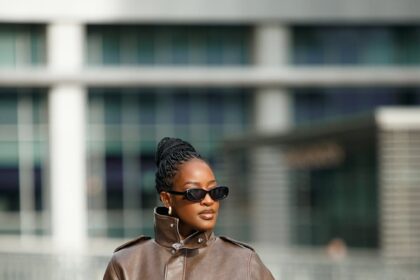
Timeless appeal begins with design choices that outlive seasonal hype. Brands are investing in clean cuts, balanced proportions, and a fits that flatter different body types. A well-structured blazer, a perfectly tailored dress, or a classic two-piece set will always feel appropriate, regardless of what is trending. These pieces form the backbone of a wardrobe because they can be styled repeatedly without looking outdated.
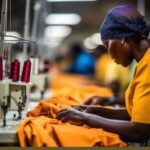
Fabric quality plays a major role in longevity. Consumers are paying closer attention to how materials feel, breathe, and endure repeated wear. Brands that prioritize durable textiles and strong finishing create garments that maintain shape and colour over time. When clothing holds up after many washes and events, customers begin to associate the brand with reliability.
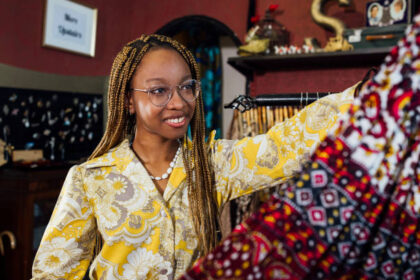
Another key factor is versatility. Modern shoppers want pieces that transition easily between occasions. An outfit that works for a wedding, a formal meeting, and an evening outing delivers greater value than something designed for one moment. Brands are responding by designing adaptable pieces that can be restyled with different accessories, shoes, or layering.
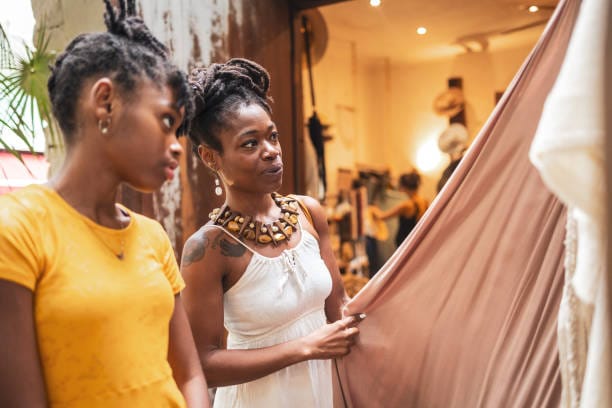
Timeless appeal also comes from a clear brand identity. Instead of copying every trend wave, successful labels define what they stand for. Some focus on refined minimalism. Others emphasize cultural heritage, craftsmanship, or modern tailoring. When customers understand a brand’s voice, they return not just for clothing but for consistency and trust.
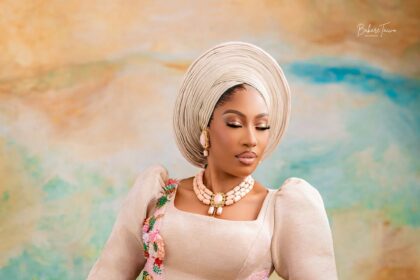
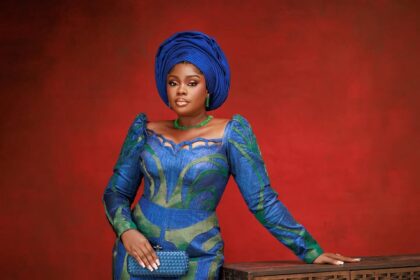
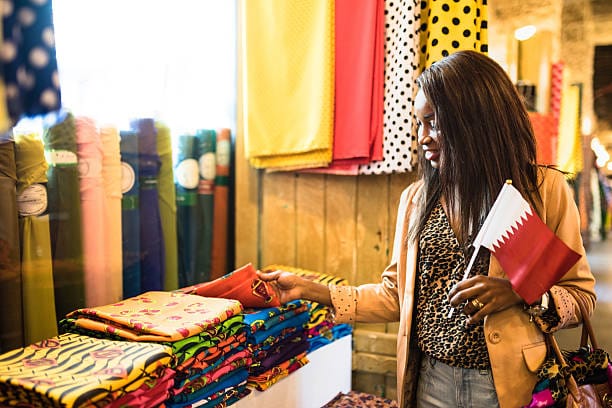
Cultural authenticity is increasingly important. Many brands are drawing inspiration from heritage textiles, traditional techniques, and indigenous craftsmanship. By modernizing these elements rather than replacing them, they create designs that feel rooted and meaningful. This connection to culture gives garments emotional value beyond appearance.
Sustainability has also become part of the timeless conversation. Consumers are growing aware of the environmental impact of fast fashion. As a result, they are supporting brands that encourage fewer, better purchases. Limited collections, durable garments, and responsible production practices help position a brand as forward-thinking and responsible.
Digital culture has played a role in this shift. Social media once accelerated trend cycles, but it has also educated consumers. Shoppers now research before buying. They compare quality, read reviews, and look for pieces that will remain stylish beyond one season. This informed audience is pushing brands toward lasting value rather than disposable fashion.
Timeless appeal does not mean boring or predictable. It means thoughtful design, reliable quality, and relevance that extends beyond a single season. Brands that balance modern style with enduring elements create wardrobes people can rely on year after year.
In a market crowded with fast-moving trends, longevity has become a powerful differentiator. When a brand delivers pieces that remain stylish, functional, and meaningful over time, it earns more than attention. It earns loyalty.