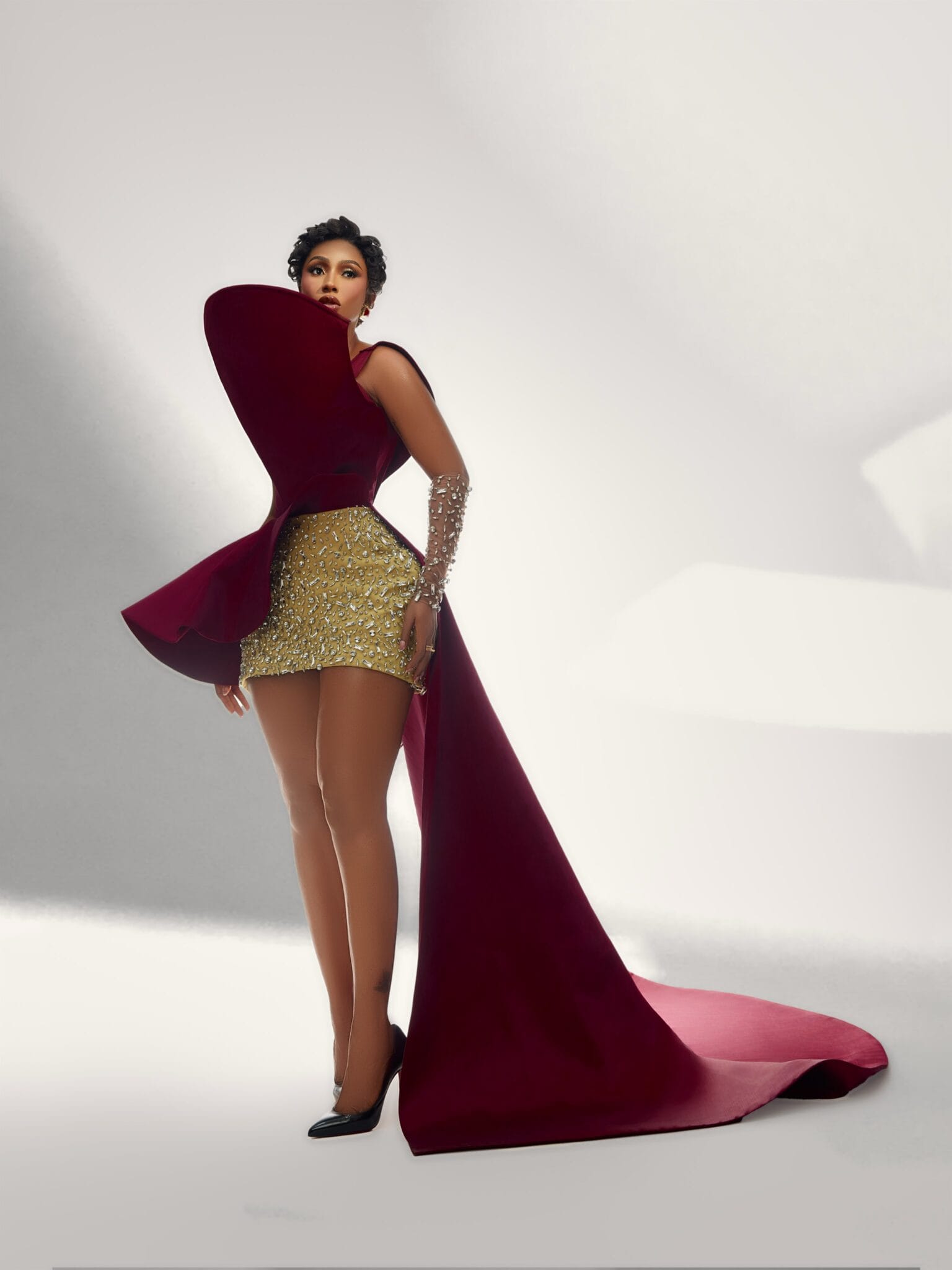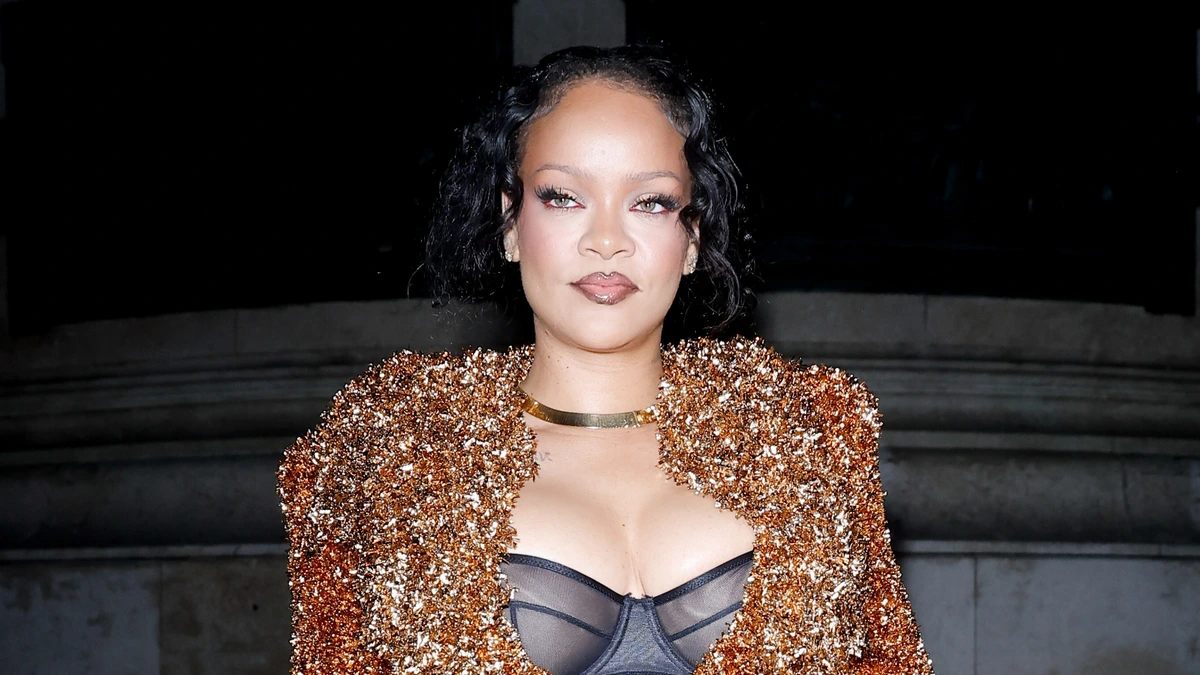





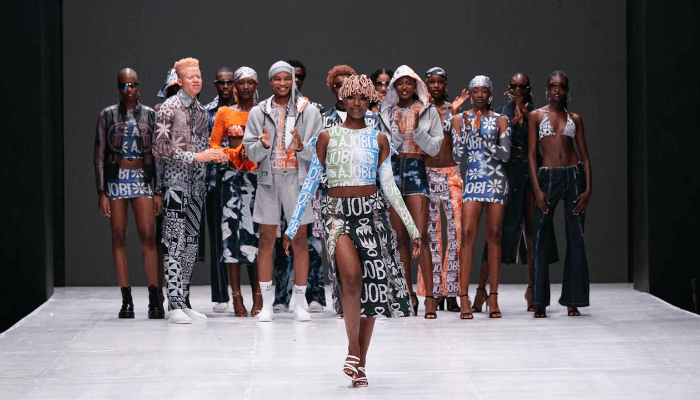
Owning a fashion brand in Nigeria has never been more demanding. Starting one may be easier than ever, but building a business that survives is another story.
- The Cost of Creating Has Gone Up
- Customers Expect More Than Ever
- Social Media Has Become a Full-Time Job
- Running a Fashion Brand Means Wearing Many Hats
- Infrastructure Still Gets in the Way
- Competition Is No Longer Local
- Fashion Has Become a Technology Business
- Creativity Alone Is No Longer Enough
- The Future Still Looks Bright
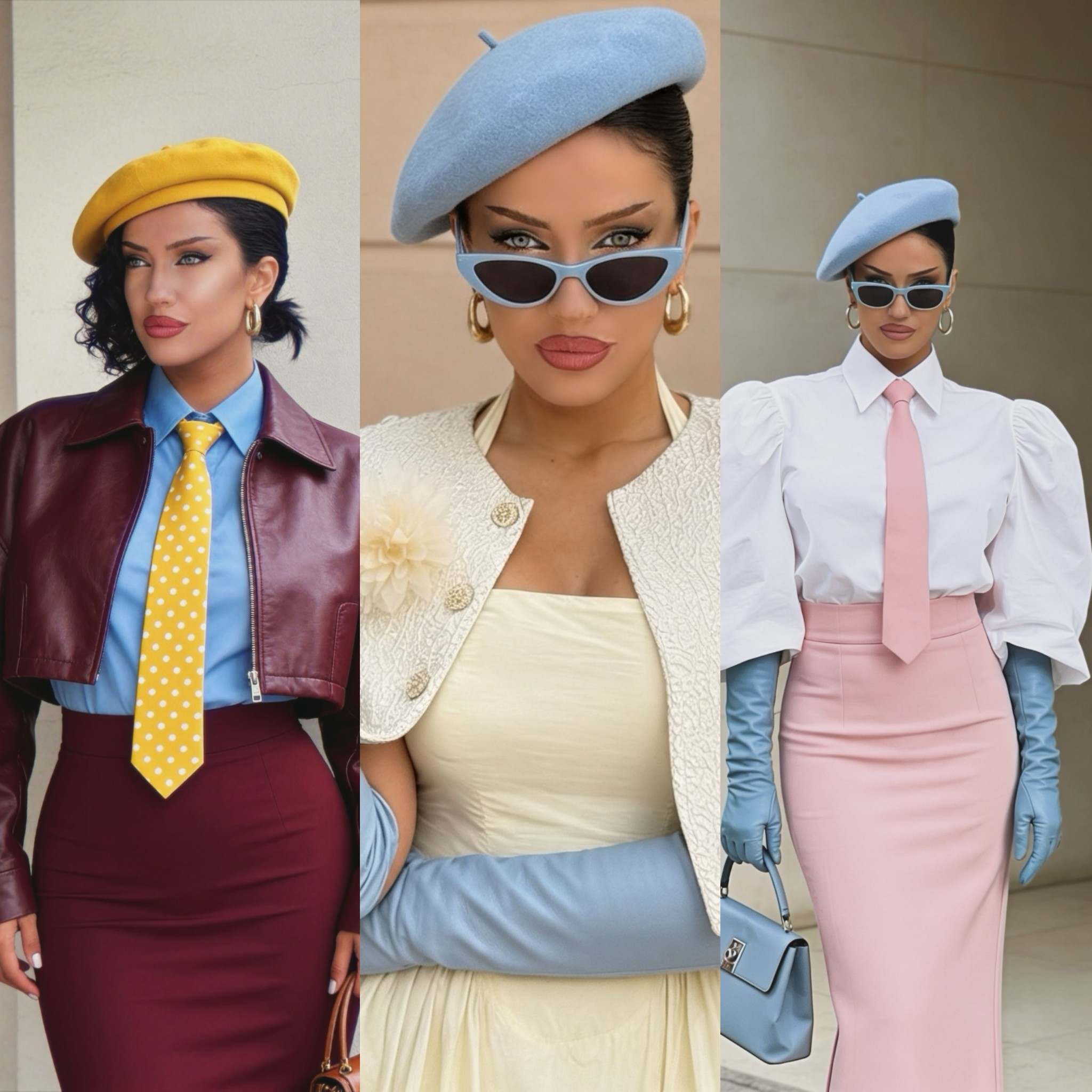
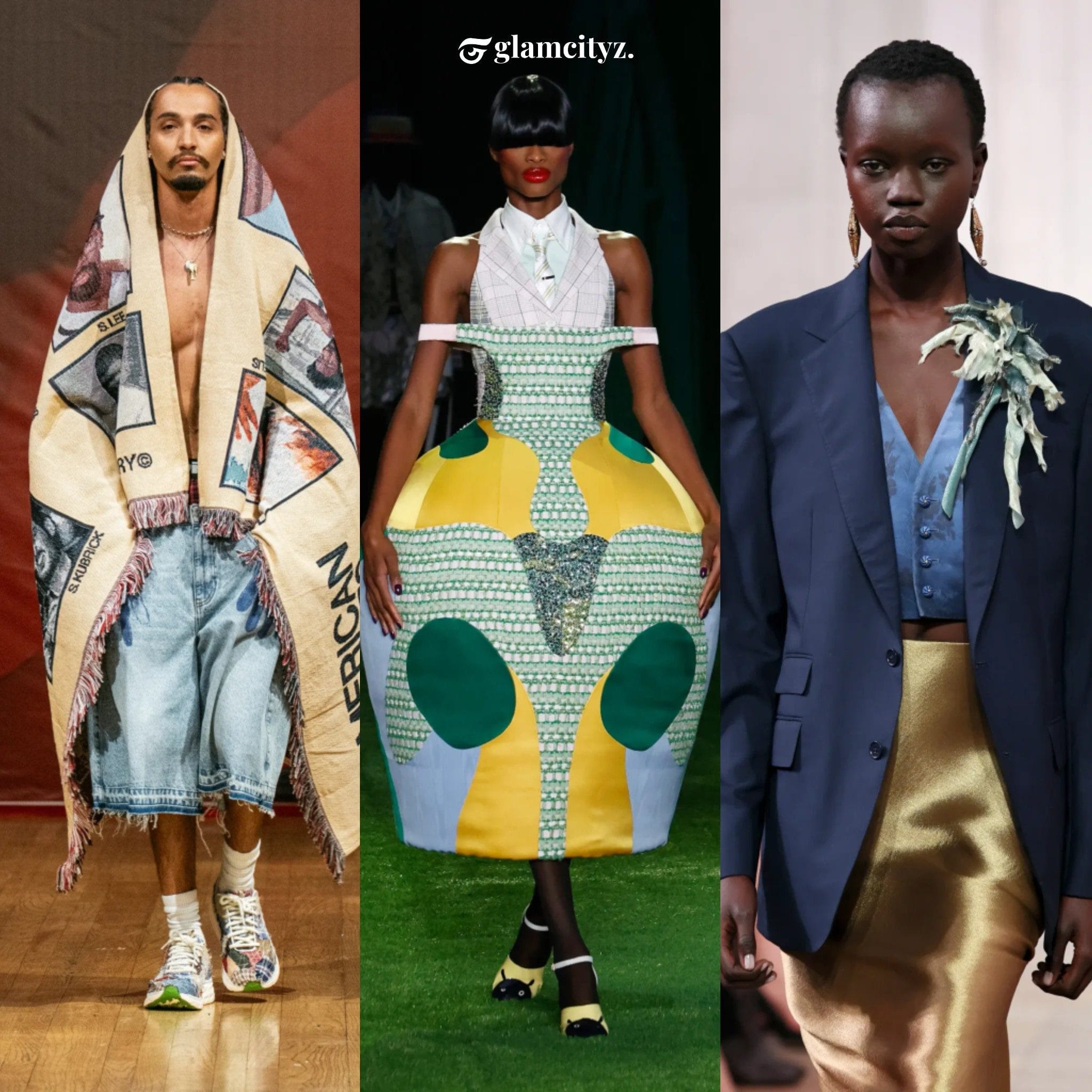
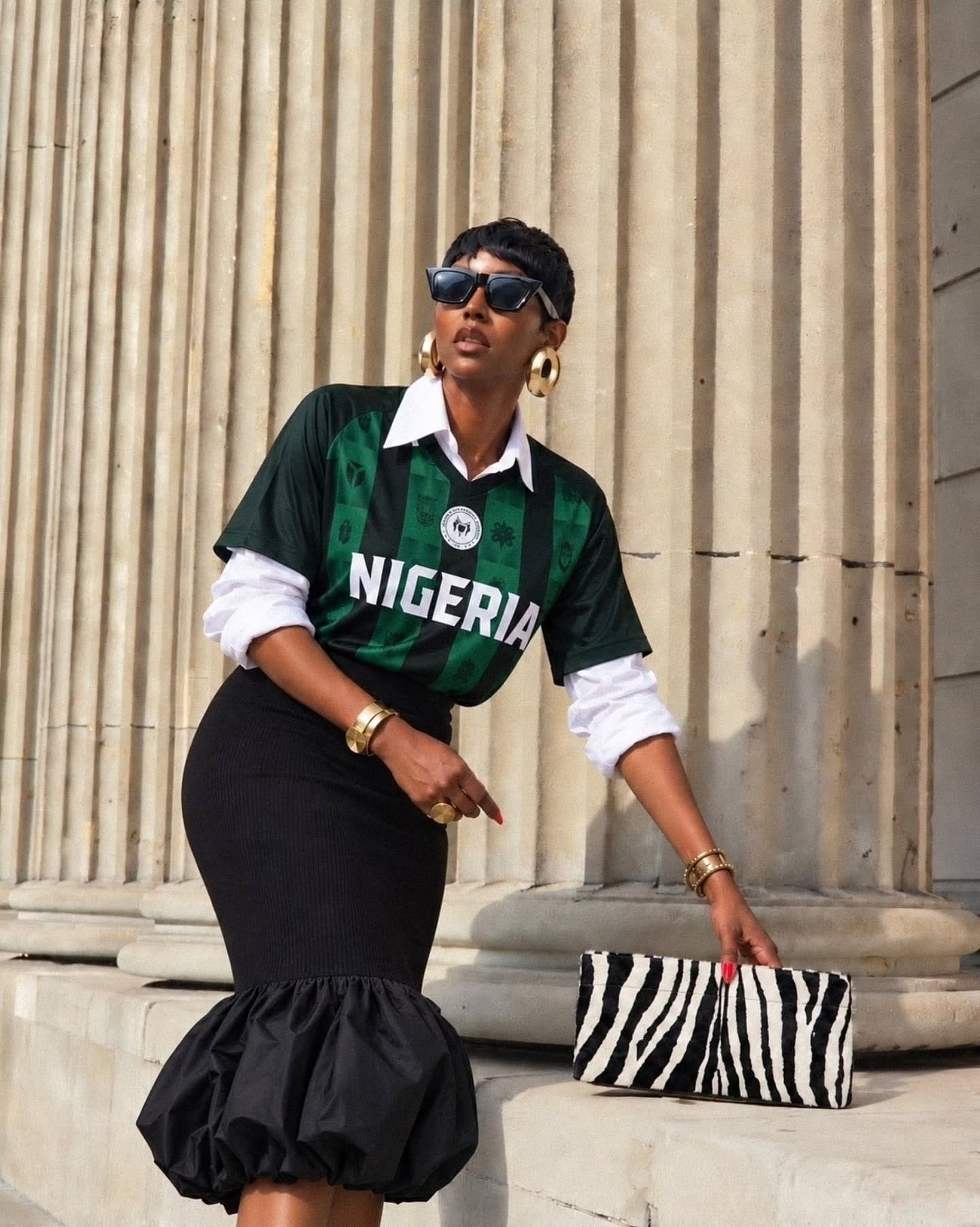
Social media has lowered the barrier to entry. Anyone with a sewing machine, a smartphone, and an Instagram account can launch a fashion business. Every day, new brands emerge with beautiful designs, polished photos, and ambitious dreams of becoming the next big name in Nigerian fashion.
Yet, behind the carefully curated Instagram feeds is the reality of owning a fashion brand in Nigeria. Many entrepreneurs are working longer hours, spending more money, and facing greater uncertainty than ever before. Owning a fashion brand today requires much more than creativity. It demands resilience, business knowledge, adaptability, and the ability to solve problems that have little to do with fashion itself.

The Cost of Creating Has Gone Up
One of the biggest challenges facing fashion businesses in Nigeria is the rising cost of production.
Fabrics, sewing accessories, packaging materials, equipment, and imported supplies have all become more expensive. Exchange rate fluctuations and inflation continue to affect businesses that rely on imported materials, while local alternatives are not always available or consistent in quality.
For many designers, every collection now costs significantly more to produce than it did a few years ago. The difficult part is that customers do not always understand why prices have increased, forcing many brands to absorb some of the extra costs just to remain competitive.
Customers Expect More Than Ever
Modern consumers expect more than beautiful clothes.
They expect quick responses on WhatsApp, professional customer service, flexible payment options, fast delivery, regular updates, and a seamless shopping experience. They also expect brands to maintain an active presence on social media while consistently producing fresh collections.

Meeting these expectations requires time, money, and systems that many small businesses are still trying to build.

Social Media Has Become a Full-Time Job
Years ago, a designer could rely on referrals and word of mouth to grow. Today, visibility is a business expense.
Fashion brands are expected to post consistently, create videos, follow trends, collaborate with influencers, engage with followers, and compete for attention every single day. Creating quality content often requires photographers, videographers, makeup artists, models, and editors, adding another layer of cost before a single outfit is sold.
Ironically, a brand can have thousands of followers and still struggle to generate consistent sales.
Running a Fashion Brand Means Wearing Many Hats
Many people think fashion entrepreneurs spend most of their time designing clothes.
In reality, much of their day is spent managing customers, supervising production, negotiating with suppliers, tracking deliveries, handling payments, resolving complaints, and planning future collections.
A fashion designer in Nigeria is often the creative director, business manager, marketer, accountant, customer service representative, and operations manager all at once. Balancing these responsibilities can be exhausting, especially for small teams.
Infrastructure Still Gets in the Way
Nigeria’s business environment presents challenges that extend beyond fashion.
Unreliable electricity increases production costs through generators and fuel. Internet connectivity affects communication with customers. Logistics delays can disrupt deliveries, while rising transportation costs impact both businesses and clients.
These are challenges that many fashion entrepreneurs have little control over, yet they directly affect profitability and customer satisfaction.
Competition Is No Longer Local
A Nigerian fashion brand is no longer competing only with the tailor down the street.
Customers can discover designers from Lagos, Abuja, Accra, London, or even Asia within minutes. They compare prices, quality, customer reviews, and delivery times before making purchasing decisions.
This global marketplace creates opportunities, but it also raises the standard for everyone.
Fashion Has Become a Technology Business
Technology is reshaping the fashion industry.
Customers expect brands to have professional websites, accept digital payments, communicate efficiently, and provide a smooth online shopping experience. Artificial intelligence is beginning to influence design, content creation, and customer engagement, while digital marketing has become essential for growth.
The brands that embrace technology are often better positioned to reach new audiences and operate more efficiently than those relying solely on traditional methods.
Creativity Alone Is No Longer Enough
One of the biggest misconceptions about fashion is that talent guarantees success.
Exceptional design will always matter, but long-term success depends on pricing correctly, managing finances, building systems, understanding customers, and adapting to change. Fashion has become as much a business discipline as it is a creative one.
The brands that endure are usually those that treat creativity and strategy as equally important.
The Future Still Looks Bright
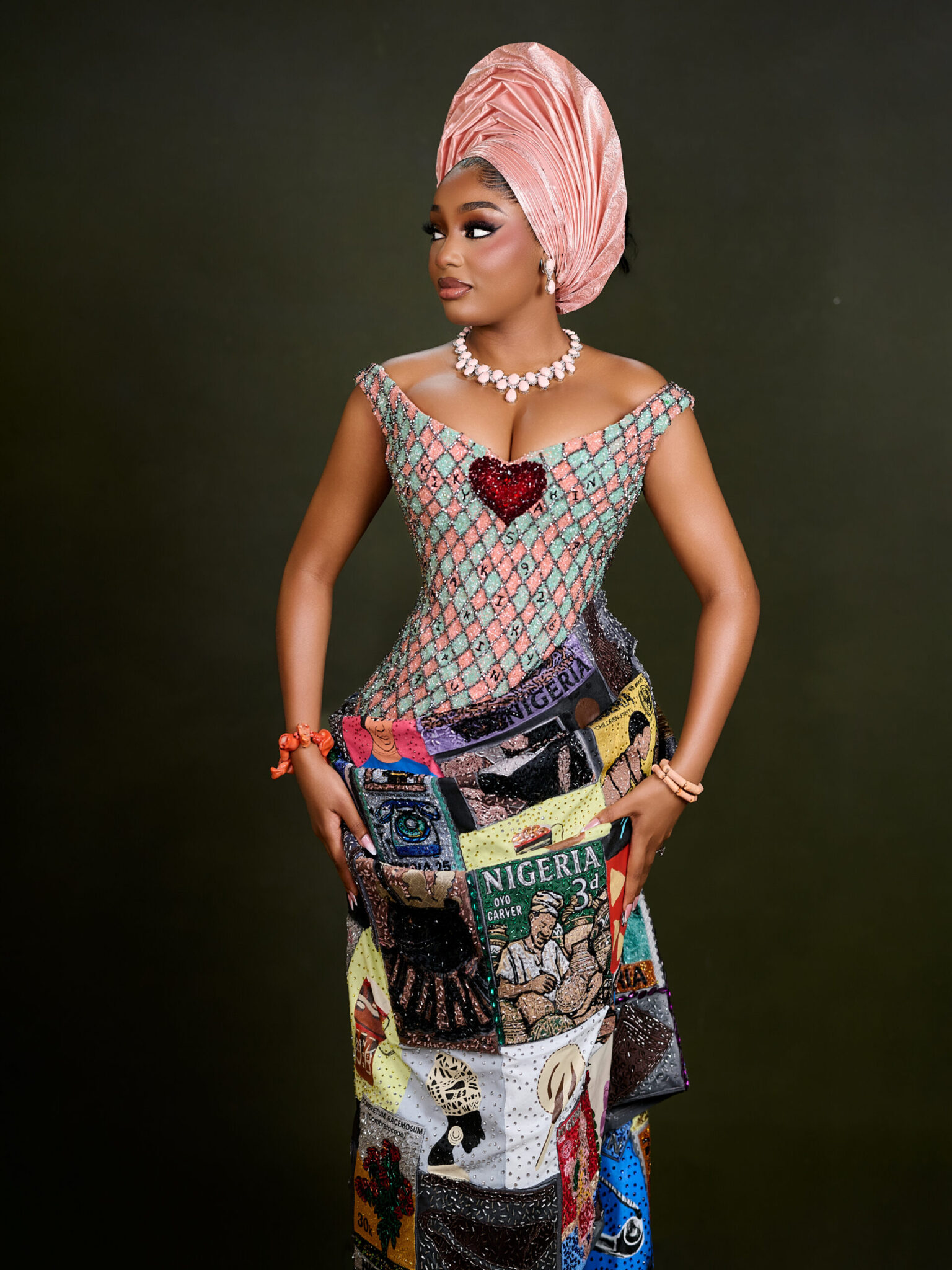
Despite these challenges, Nigeria remains one of Africa’s most exciting fashion markets. The country continues to produce talented designers whose work is gaining recognition locally and internationally.
The road may be more demanding than it once was, but it is also filled with opportunity for entrepreneurs willing to innovate, embrace technology, and build businesses that extend beyond beautiful clothing.
Owning a fashion brand in Nigeria has never been harder. But for those who can adapt, it has also never held greater potential.