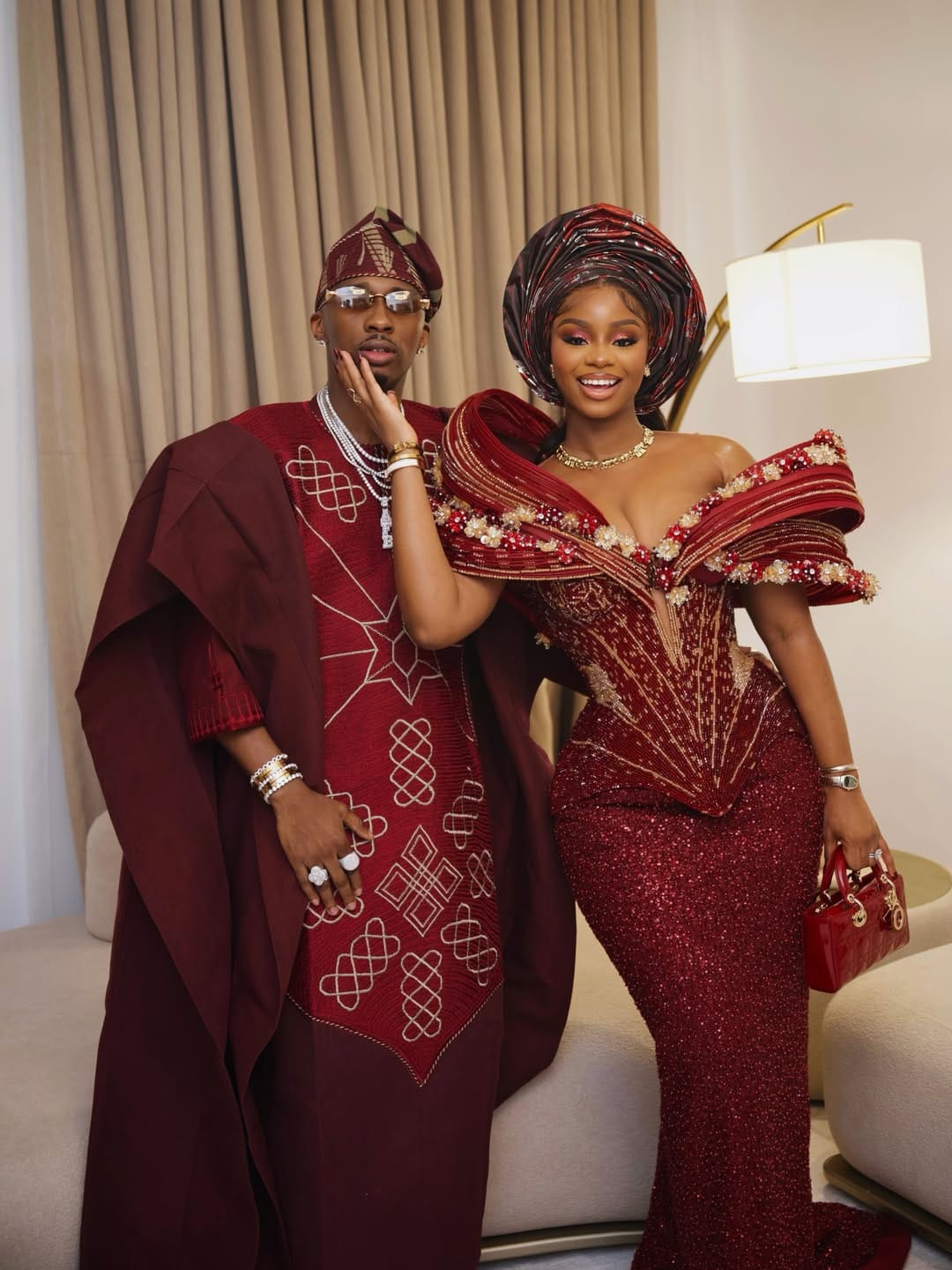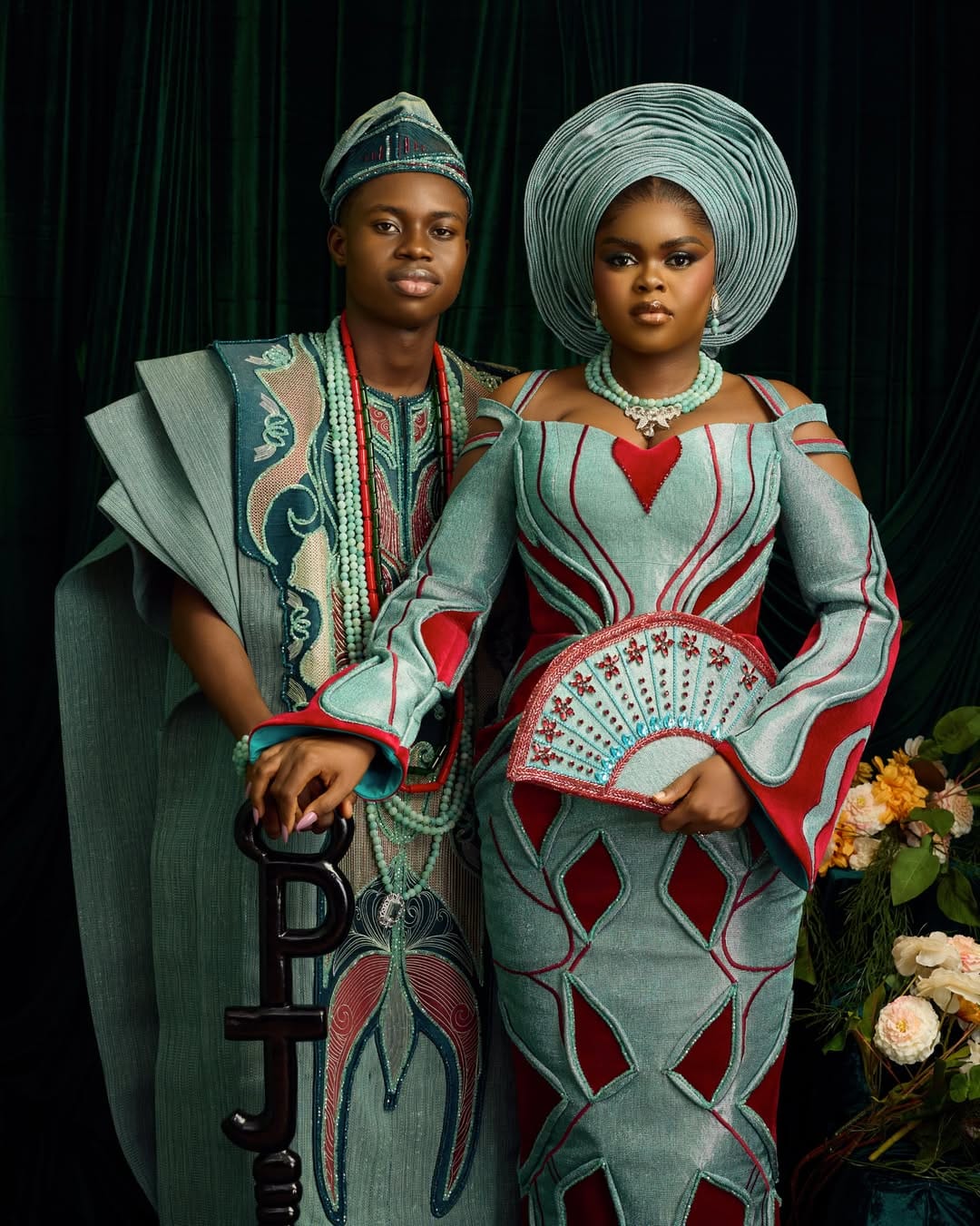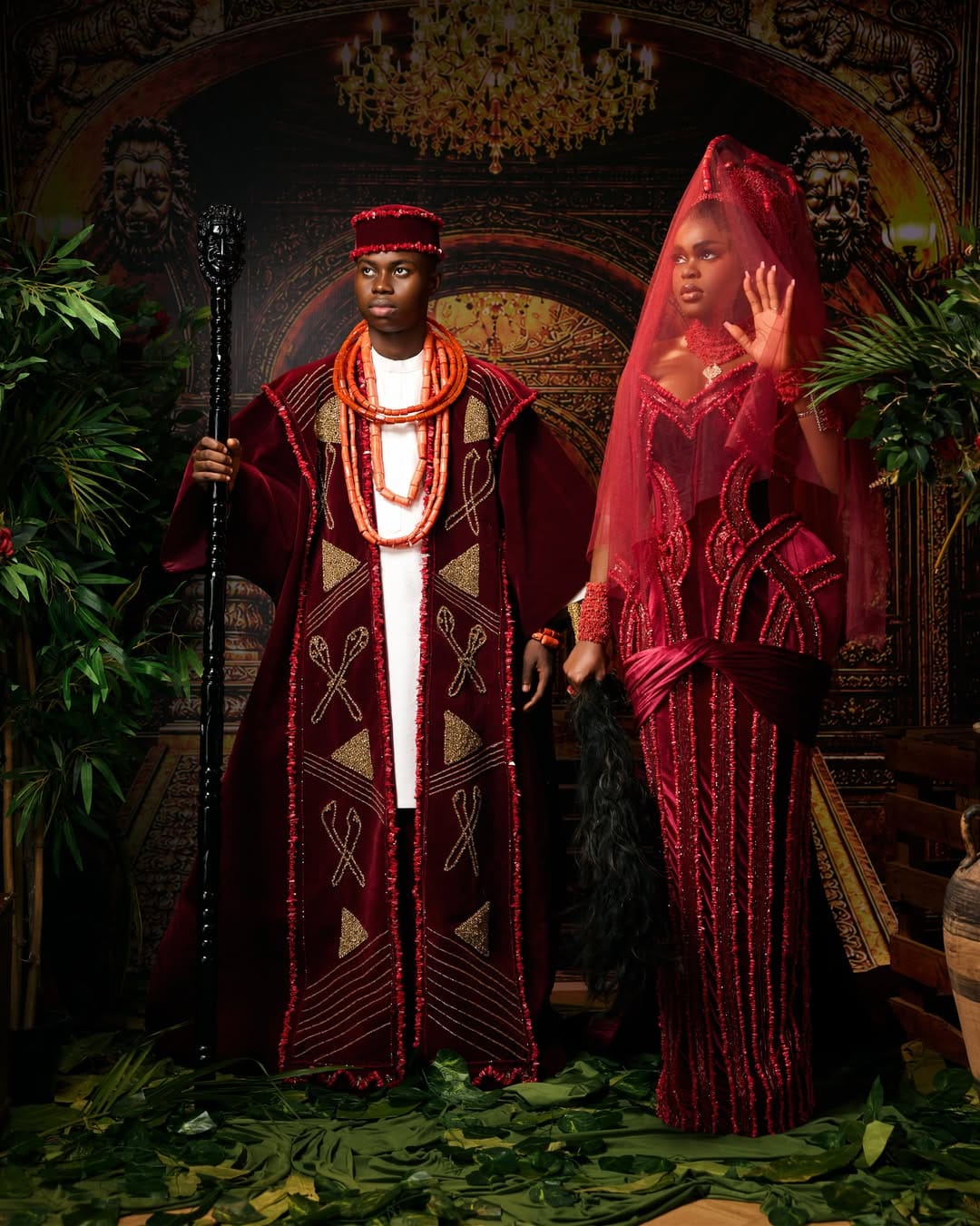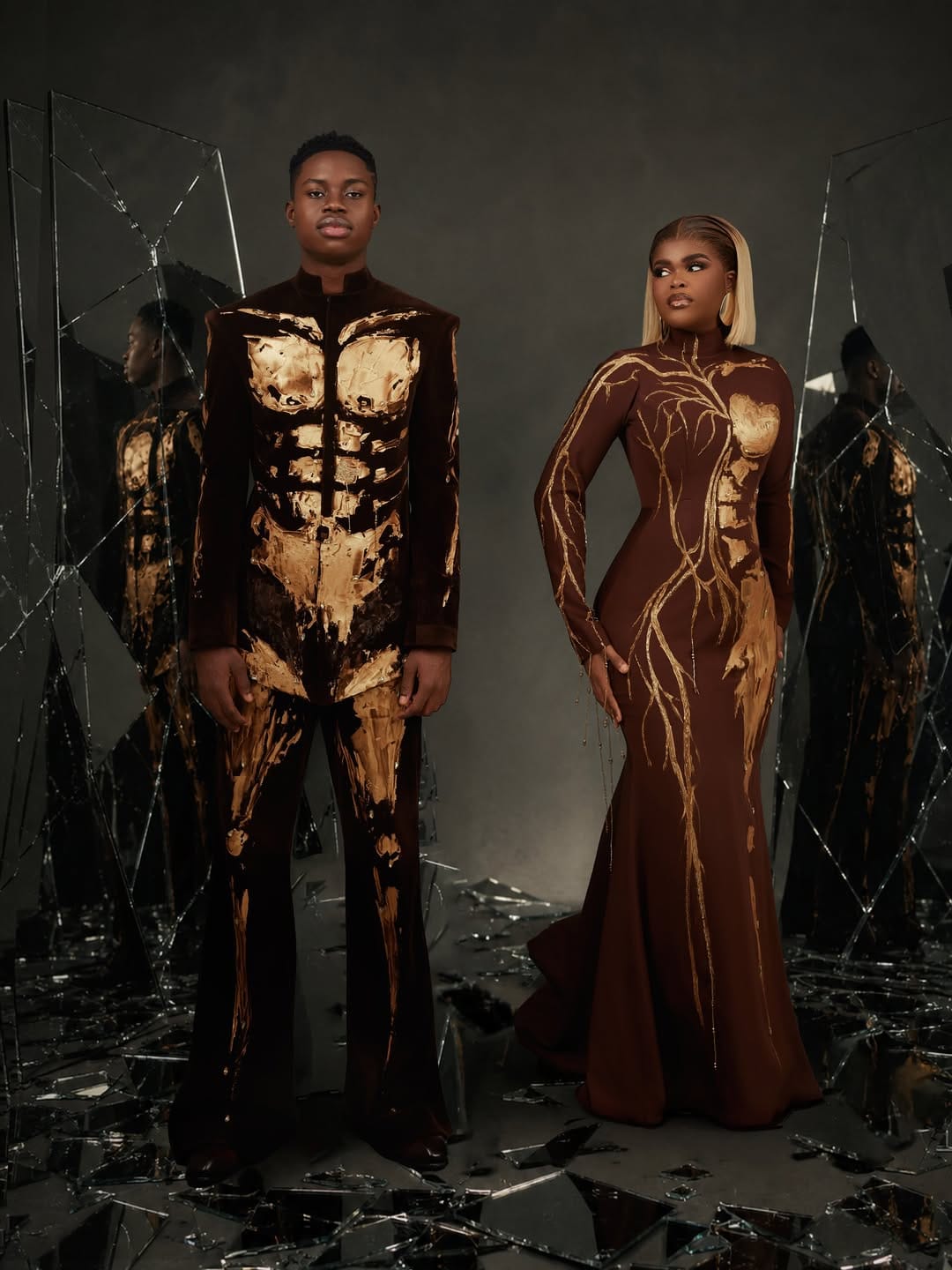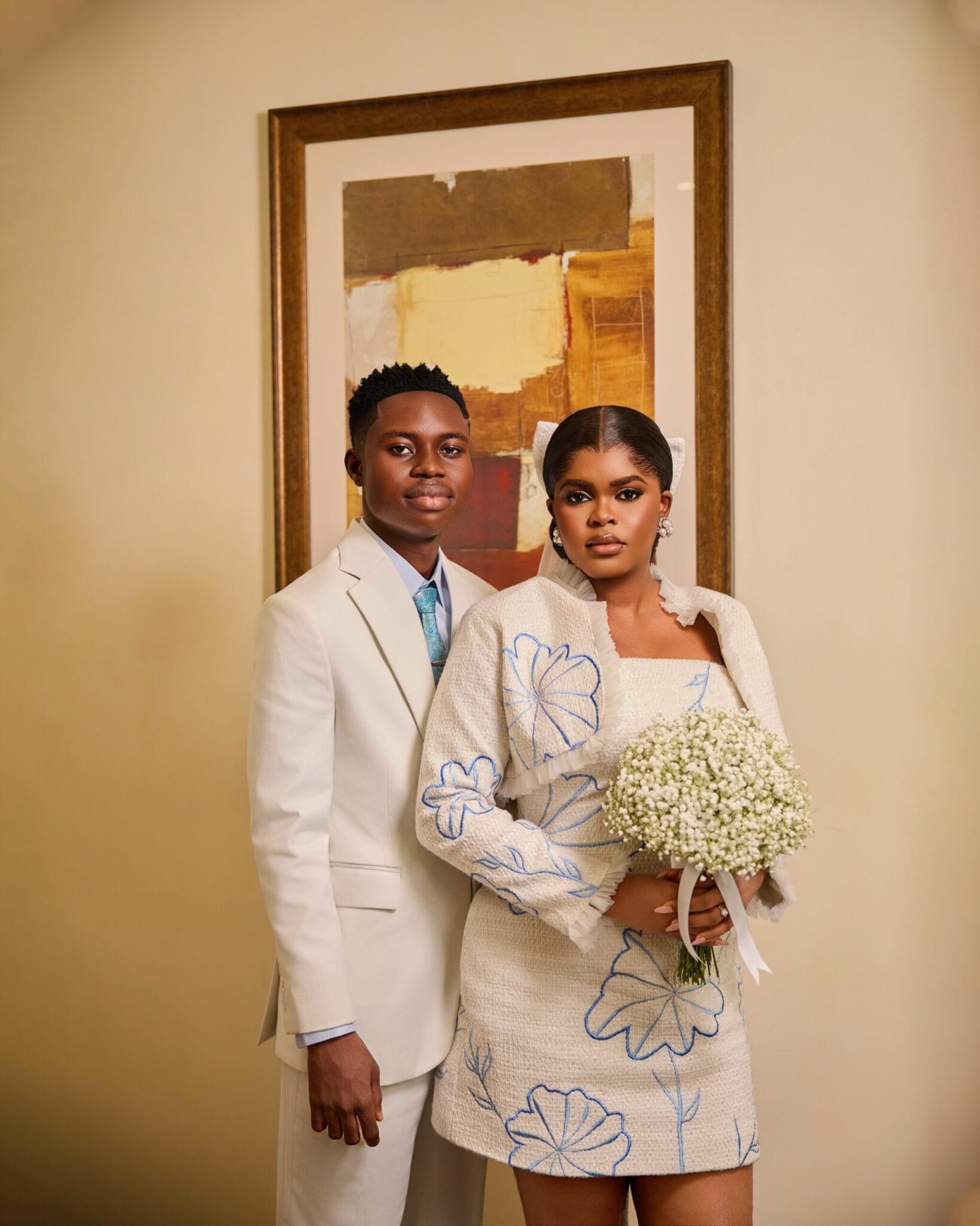





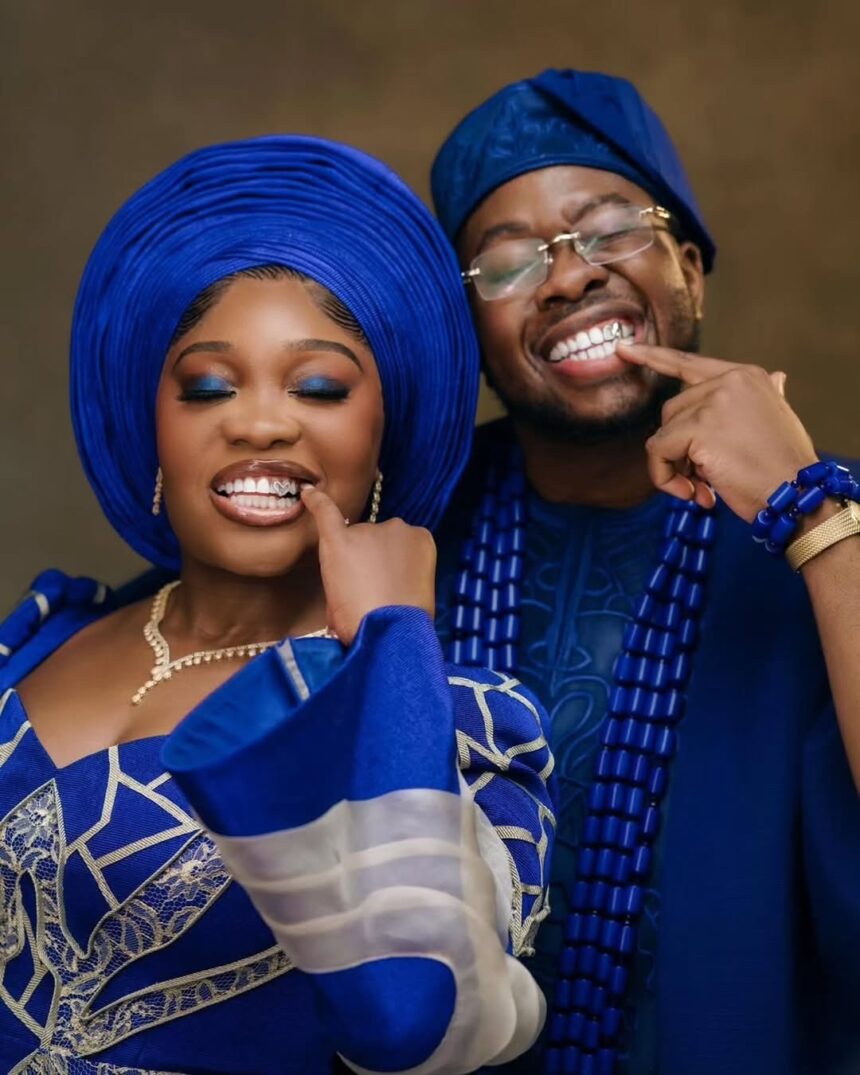
Something interesting is happening to Nigerian weddings, and you don’t need data to notice it. You need to look at your calendar. Saturdays are no longer packed the way they used to be. Instead, invitations are now landing in the middle of the week.
- Femi Dapson and Simi Sanya’s Wednesday Wedding Captured the Shift
- Celebrities Have Helped Normalize Midweek Weddings
- Saturdays Became Too Crowded
- Cost Is a Major Factor
- Work Culture Has Changed, Especially With Remote Jobs
- Intimate Weddings Are Becoming More Desirable
- Social Media Has Changed the Purpose of Weddings
- Multi-Day Weddings Are Replacing the One-Day Format
- So, Are Saturday Weddings Finished?
- Featured vendors
Wednesday introductions, Thursday traditional weddings, Friday white weddings. At first, it feels inconvenient, even stressful, but then you realize everyone else is adjusting too. People are requesting time off, moving meetings, logging in remotely, or stepping out for a few hours in full asoebi before returning to work. What used to feel unusual is now starting to feel normal.
Femi Dapson and Simi Sanya’s Wednesday Wedding Captured the Shift
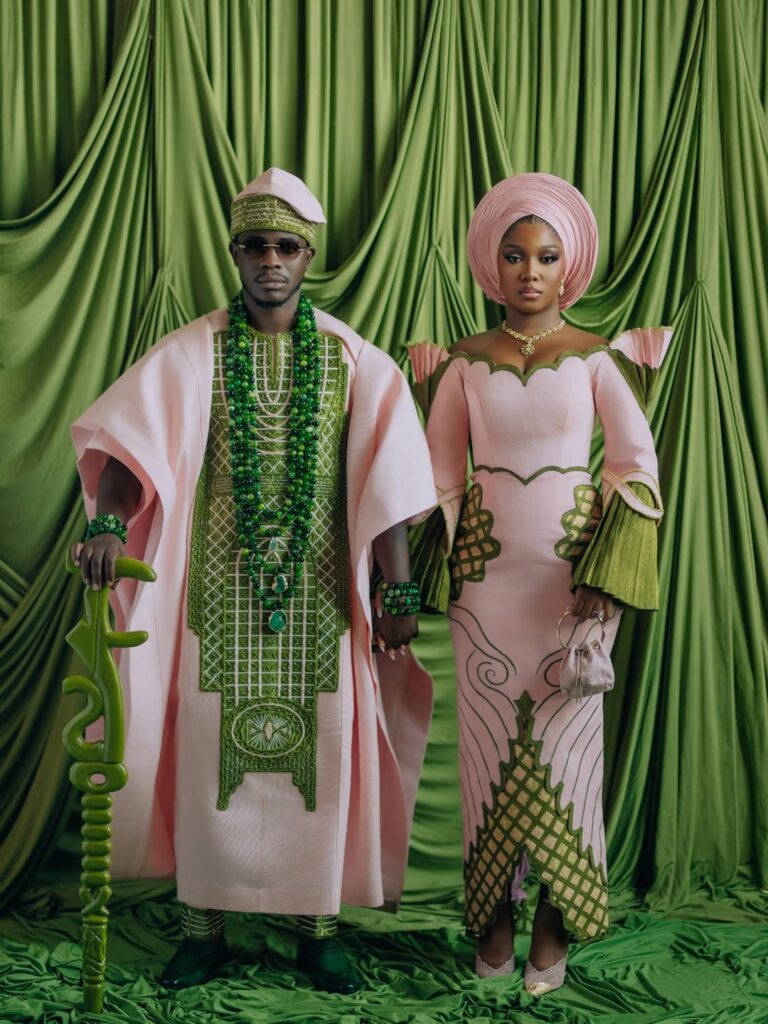
A very clear recent example is filmmaker Femi Dapson and beauty influencer Simi Sanya, whose ceremony on Wednesday, March 11, 2026, drew a massive turnout and dominated social media all day. It was not a public holiday. Offices were open, businesses were running, and Lagos traffic was still Lagos traffic. Yet guests showed up dressed like it was a prime Saturday owambe.
That kind of attendance on a Wednesday says a lot. Years ago, a midweek wedding of that scale would have struggled to pull such a crowd. Today, it feels completely possible. Their celebration did not feel like an exception. It felt like confirmation of a trend that has been building quietly for a while.
Celebrities Have Helped Normalize Midweek Weddings
High-profile weddings often set the tone for what becomes socially acceptable. Davido and Chioma’s traditional wedding, for instance, took place on Tuesday, June 25, 2024, and still managed to shut down Lagos midweek. People traveled, businesses paused, and social media exploded. That moment proved that if the event is important enough, the day of the week doesn’t matter.
Actress Sharon Ooja’s wedding celebrations also unfolded across multiple dates rather than centering on one Saturday party. Temi Otedola and Mr Eazi went even further, spreading their ceremonies across different countries and months, turning their union into a series of intimate milestones instead of one giant public spectacle. Influencer and society weddings now follow similar patterns, with introductions, civil ceremonies, traditional rites, and white weddings happening on separate days that often fall between Wednesday and Friday.
Saturdays Became Too Crowded
One major reason for the shift is simple: Saturdays became chaotic. On a typical Lagos weekend, dozens of weddings can be happening at the same time across the city. Guests often have multiple invitations and end up dividing their time. Some arrive late because they were at another venue first. Others leave early to attend the next event. It turns into a social marathon rather than a focused celebration.
Midweek weddings change that completely. If someone attends your wedding on a Thursday afternoon, it usually means they came specifically for you. There is less party-hopping and more genuine presence, which many couples now value more than sheer crowd size.

Cost Is a Major Factor
Nigerian weddings are expensive, and Saturday is peak pricing for almost every vendor. Venues, decorators, planners, photographers, caterers, live bands, and rental companies all charge more because demand is highest. Move the same event to a weekday, and the total cost can drop significantly.
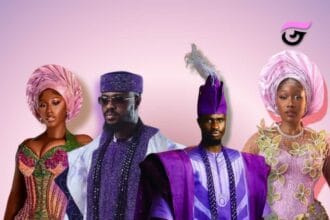

For modern couples who are often funding their own weddings rather than relying entirely on family, that difference can mean starting married life without financial strain. Saving millions while still having a beautiful event is a powerful incentive to abandon Saturday.
Work Culture Has Changed, Especially With Remote Jobs
Another big reason weekday weddings now work is the way people work. Remote jobs, hybrid schedules, freelancing, and entrepreneurship have made life more flexible for many Nigerians, especially in urban areas. Some guests can log in early, step out for a ceremony, then continue working later. Others work for themselves and control their schedules.
Ironically, weekends are not always free anymore. Saturdays are filled with errands, family obligations, religious activities, and other social events. For some people, attending a wedding for a few hours on a Thursday is actually easier than dedicating an entire Saturday.
Intimate Weddings Are Becoming More Desirable
There has also been a quiet shift in what couples consider impressive. In the past, success was measured by how many people filled the hall. The bigger the crowd, the bigger the status. Now, many couples prefer something more curated. Smaller guest lists, beautiful venues, controlled environments, and meaningful interactions are becoming more appealing than massive crowds.
Weekday weddings naturally filter attendance to people who are closest or most committed, which can make the atmosphere feel warmer and more personal.
Social Media Has Changed the Purpose of Weddings
Weddings today are not just family celebrations. They are visual events that will live online forever. Lighting, decor, timing, and crowd control all affect how the event looks in photos and videos. A calm Thursday ceremony often produces cleaner, more elegant visuals than a chaotic Saturday hall packed with late arrivals and overcrowding.
For influencers, celebrities, and style-conscious couples, the aesthetic outcome matters almost as much as the experience itself.
Multi-Day Weddings Are Replacing the One-Day Format
Another reason Saturdays are losing their dominance is that weddings are no longer compressed into one day. Many couples now spread events across different dates. There might be an introduction on one day, a civil ceremony on another, a traditional wedding later, and a white wedding afterward.
Once celebrations are structured this way, there is no real reason to anchor everything to Saturday. Femi Dapson and Simi Sanya’s wedding followed this modern format, with different milestones happening on different days rather than building toward one single Saturday finale.
So, Are Saturday Weddings Finished?
Not at all. They still happen, especially for families that want a large community celebration or for guests traveling from far away. But Saturday is no longer the unquestioned default it once was. It has become just one option among many.
What has truly changed is the mindset. Couples today plan weddings around their finances, schedules, work realities, and personal vision rather than simply following tradition. If Wednesday works best, they choose Wednesday. If Friday feels right, they choose Friday.
And judging by the huge turnout and online buzz around events like Femi Dapson and Simi Sanya’s Wednesday ceremony, as well as high-profile unions like Davido and Chioma’s Tuesday wedding, midweek celebrations are not just a passing phase. They are fast becoming the new normal in Nigeria.
Handpicked from OiO
Featured vendors
 Promoted
Event Planner
Promoted
Event PlannerDazzlingspacesbykiks
View profile Hair Stylist
Ozi_nails_n_more
View profile Makeup Artist
Kaajsignatures
View profile Nail Technician
Wumiwest Beauty Bar
View profile Event Printing
Dainty by Enny
View profile Event Planner
Mummy Pee Events Planning & Global Concept
View profile MC & Host
Heirs Studio (DJ & MC)
View profile