





If you know a truly skilled tailor in Nigeria, one thing is almost guaranteed. They are always busy. Their shop is full, their phone never stops ringing, deadlines pile up, and customers keep coming back. Yet despite this constant activity, many of them are not financially comfortable. Some struggle to expand, invest in better equipment, or even take proper breaks.
This situation is not about a lack of talent or hard work. In many cases, the problem is structural. Being busy does not always translate to being profitable.
Low Pricing and Reluctance to Charge Properly
One of the biggest reasons good tailors remain financially constrained is pricing. Many charge far below the true value of their labour. Sewing a well-fitted outfit can take hours or even days, especially for complex designs, yet prices often reflect what customers are willing to pay rather than what the work actually costs.
There is also fear involved. Tailors worry that raising prices will drive customers away, especially in markets where clients compare rates aggressively. As a result, they accept lower margins just to maintain patronage. Over time, this creates a cycle where increased demand leads to more work but not necessarily more income.
Time Is the Main Limiting Resource
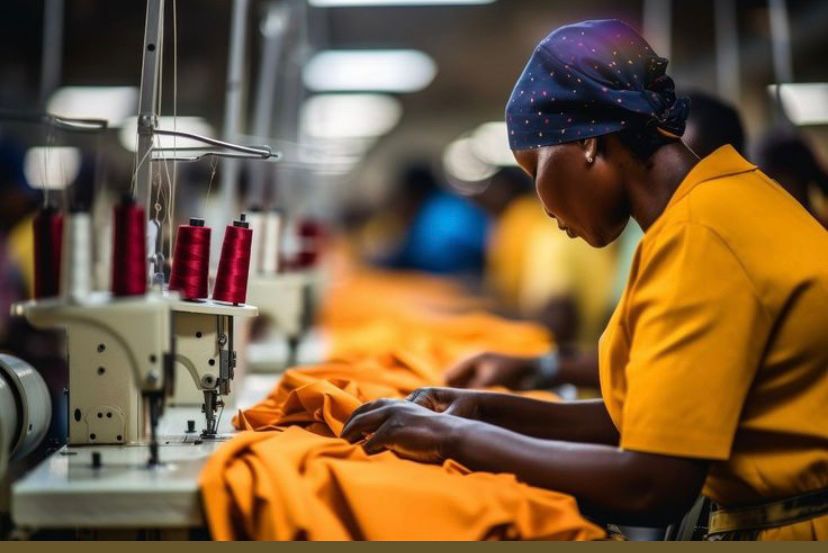
Unlike scalable businesses, tailoring is highly time-dependent. Each outfit requires measurements, cutting, sewing, fittings, and finishing. No matter how skilled a tailor is, there are only so many hours in a day.
When demand increases, the tailor simply works longer hours instead of earning proportionally more. This means growth often comes at the expense of rest and health rather than through improved financial returns. Without additional skilled hands or efficient systems, production capacity remains fixed.
High Operating Costs
Running a tailoring business involves expenses that customers rarely see. Rent for workshop space, electricity or generator fuel, machine maintenance, thread, needles, pressing equipment, and other supplies all add up. In many areas, unstable power supply forces tailors to rely heavily on generators, which significantly increases operating costs.
Because these expenses are ongoing, much of the income generated from sewing jobs goes back into keeping the business running. Profit margins shrink further, especially when prices remain low.


Unpredictable Income Patterns
Tailoring income is often seasonal. Demand spikes around festive periods, weddings, and major events, then slows down afterward. During peak seasons, tailors may be overwhelmed with orders. During quieter months, they may struggle to secure enough work.



This irregular cash flow makes long-term financial planning difficult. Saving, investing, or expanding becomes challenging when income fluctuates widely throughout the year.
Customer Behaviour and Payment Issues
Another challenge is how clients approach payments. Some customers delay payments, negotiate heavily, or request last-minute changes without considering the additional effort required. Others may abandon orders entirely after work has begun.
These situations consume time and resources without guaranteed compensation. Tailors often absorb the loss to protect their reputation or maintain relationships, further reducing profitability.
Difficulty Scaling the Business
Expanding a tailoring operation requires trained staff, reliable apprentices, and effective management. Skilled tailors are not easy to find, and training new ones takes time. Even when apprentices are available, their output may not match the quality customers expect from the master tailor.
This makes delegation difficult. Many experienced tailors prefer to handle critical work themselves, which limits how much the business can grow beyond a certain point.
Focus on Craft Over Business Structure
Most tailors enter the profession because of their skill with fabric, not because of formal business training. As a result, pricing strategies, financial management, marketing, and process optimisation may receive less attention.
Without structured systems, growth becomes chaotic. Increased demand leads to overload rather than expansion. The business revolves around the individual rather than scalable processes.
Always Working, Rarely Resting
The cumulative effect of these factors is constant busyness without proportional wealth creation. Many tailors work long hours, sacrifice weekends, and carry significant physical strain just to keep up with orders. Rest becomes rare, yet financial security remains uncertain.
This reality explains why some of the most talented people in the industry appear perpetually occupied but not necessarily prosperous.
A Path Toward Sustainability
Improving this situation requires a shift toward better pricing, clearer payment policies, efficient workflows, and gradual scaling. Tailors who adopt structured approaches such as appointment systems, standardised services, and trained teams often find it easier to balance workload and income.
Ultimately, skill alone does not guarantee financial success. In today’s environment, combining craftsmanship with business strategy is essential.
Being busy may signal demand, but true prosperity comes from building systems that allow work to translate into sustainable income. Until then, many good tailors will continue to be overworked, highly sought after, and financially under-rewarded.