




A war happening thousands of kilometres away can feel distant until it begins to affect everyday life. The current escalation involving Israel and Iran, along with wider tensions affecting key shipping routes across the Middle East, is one of those situations. While the conflict is geopolitical on the surface, its consequences travel quickly through oil markets, global trade, and supply chains. For a country like Nigeria, which imports a large share of its textiles and fashion materials, the ripple effects are already evident.
- Rising Oil Prices and Fuel Costs
- Disruptions to Global Shipping Routes
- Imported Materials Become More Expensive
- Reduced Consumer Spending on Fashion
- Event Fashion May Feel the Impact First
- Pressure on Retailers and Boutiques
- Changing Consumer Mindset
- Possible Shift Toward Local Alternatives
- A Global Conflict With Local Consequences
Rising Oil Prices and Fuel Costs
One of the most immediate impacts of tensions between Israel and Iran has been on global oil prices. The Middle East sits at the centre of energy supply, so any threat to stability causes markets to react quickly. Oil prices climb, shipping insurance becomes more expensive, and fuel costs rise worldwide. Nigeria may produce oil, but local transportation and logistics costs are still tied to global conditions.
When fuel becomes expensive, every stage of the fashion value chain is affected. Transporting fabrics from ports to markets incurs higher costs. Delivering finished outfits to customers costs more. Even commuting to fittings becomes more expensive. These increases eventually show up in clothing prices.
Disruptions to Global Shipping Routes
Shipping routes through the Middle East handle a significant portion of global trade, including goods travelling from Asia to Africa. Security concerns, rerouting, or delays can slow shipments and increase freight charges. Nigeria depends heavily on imported textiles from countries such as China, India, Turkey, and the United Arab Emirates. When shipments slow down or become costly, fabric traders feel the pressure immediately.
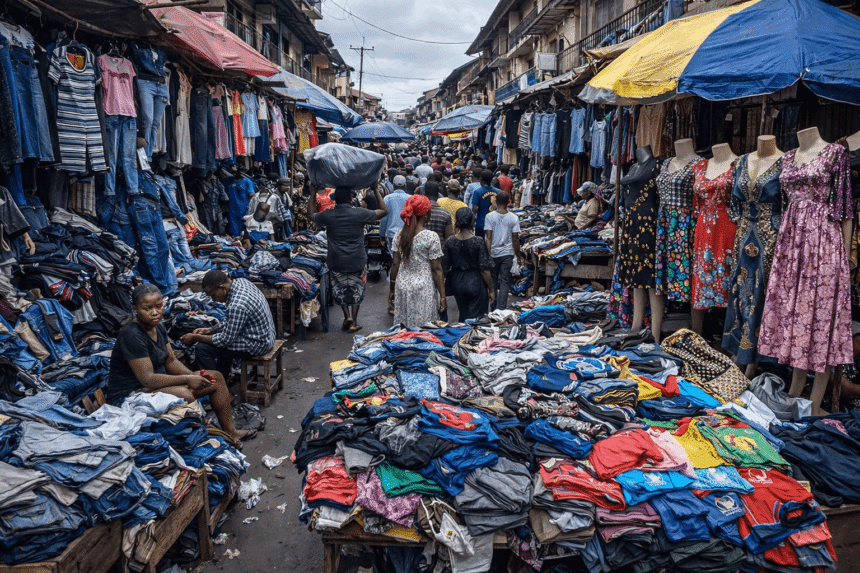
Markets in Lagos, Aba, Kano, and Onitsha rely on a steady flow of imported materials. Any disruption can lead to shortages, delayed deliveries, and sudden price increases. Designers who depend on specific fabrics for clients may struggle to fulfil orders on time or may have to substitute materials.
Imported Materials Become More Expensive
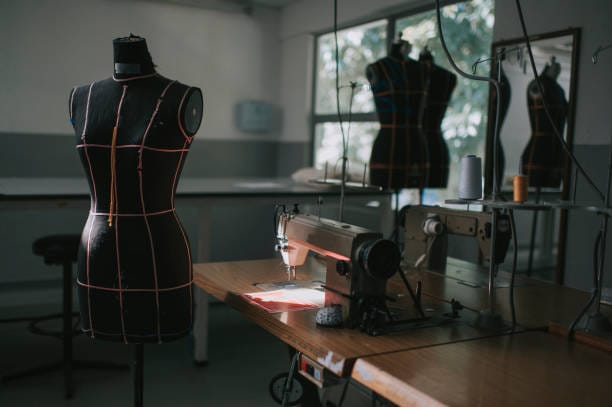
Fabric is only part of the story. Many components used in garment production are imported, including zippers, buttons, linings, threads, interfacing, and sewing machine parts. If import costs rise or availability becomes uncertain, production expenses increase across the board.
Tailors and fashion houses cannot absorb these costs indefinitely. Eventually, they must raise prices, reduce output, or adjust their offerings. For customers, this means paying more for the same outfit or settling for simpler designs.
Reduced Consumer Spending on Fashion
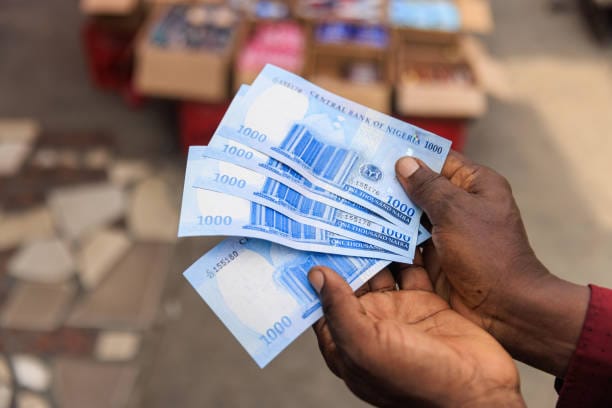
Periods of global uncertainty usually lead to cautious spending. As fuel prices and inflation rise, households prioritise essentials such as food, housing, and transportation. Clothing, especially custom pieces or luxury fashion, becomes less urgent.

For fashion brands, this can translate into fewer orders and longer gaps between purchases. Clients may delay commissions, negotiate more aggressively, or opt for budget alternatives. Ready to wear retailers may also see slower foot traffic as shoppers cut back on discretionary spending.


Event Fashion May Feel the Impact First
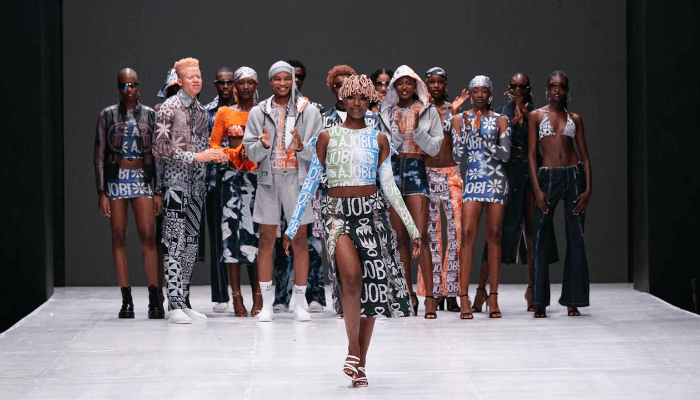
Nigeria’s fashion industry is deeply connected to events. Weddings, parties, religious celebrations, and corporate functions drive demand for custom outfits and statement looks. If economic pressure leads to smaller gatherings or reduced spending, event fashion is usually the first segment to feel the slowdown.
Even when events continue, guests may choose to rewear outfits, rent clothing, or select simpler styles instead of commissioning elaborate new pieces. Designers who depend heavily on peak event seasons may experience reduced income during prolonged uncertainty.
Pressure on Retailers and Boutiques
Boutiques that import ready to wear clothing face a double challenge. Their purchasing costs rise while customer demand weakens. This squeeze on margins can be particularly difficult for smaller businesses that lack large financial reserves.
Retailers may respond by increasing prices, reducing inventory, or focusing on faster moving items. However, these adjustments can only go so far before profitability becomes a concern.
Changing Consumer Mindset
Beyond economics, uncertainty affects psychology. When people are unsure about the future, they become more conservative in their choices. Fashion thrives on confidence, celebration, and visibility. Anxiety reduces impulse buying and shifts attention toward practicality.
Designers may notice clients taking longer to make decisions, requesting multiple adjustments to budgets, or postponing projects entirely. This cautious behaviour can persist even after immediate economic pressures ease.
Possible Shift Toward Local Alternatives
One potential outcome is renewed interest in locally produced textiles and materials. If imported fabrics become difficult to obtain, designers may explore indigenous options more seriously. This could strengthen local production in the long term, although many domestic processes still depend on imported inputs.
Transitioning to local alternatives is not instant, but periods of disruption often encourage innovation and adaptation within industries.
A Global Conflict With Local Consequences
Fashion does not exist in isolation. It sits at the intersection of culture, commerce, and global supply chains. A conflict between countries far away can still influence what people wear, how much they spend, and how businesses operate.
For Nigeria’s fashion industry, the ongoing tensions involving Israel and Iran are a reminder that global events can quietly reshape local markets. If disruptions continue, clothing may become more expensive, deliveries may slow down, and purchasing habits may change.
War rarely feels close until it touches daily life. When it does, even something as expressive as fashion begins to reflect the strain.