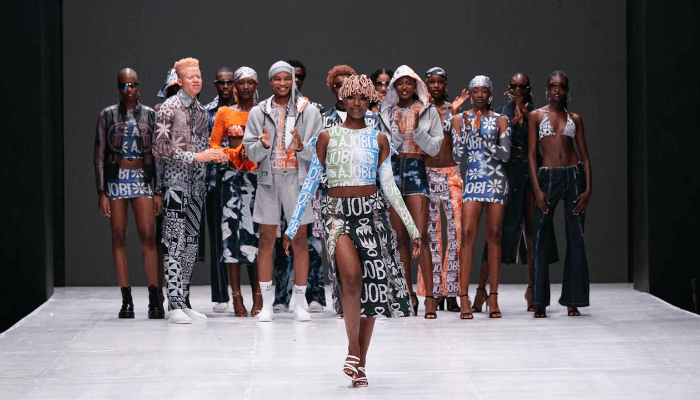





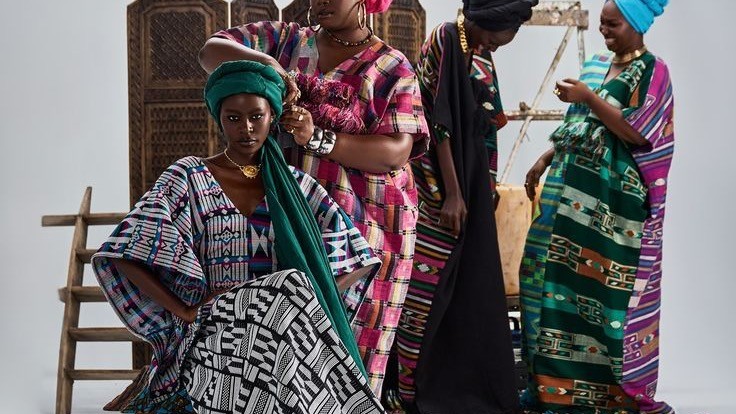
Social media has become one of the most powerful forces shaping Nigeria’s fashion economy. What once depended heavily on physical shops, fashion shows, and word of mouth now happens largely online. For many designers and retailers, platforms like Instagram, TikTok, and WhatsApp are not just promotional tools. They function as storefronts, communication channels, advertising platforms, and brand identity spaces all at once.
This shift has fundamentally changed how fashion businesses operate and how consumers discover, evaluate, and purchase clothing.
Lower Barriers to Entry for New Brands
One of the biggest ways social media has influenced Nigeria’s fashion economy is by making it easier for new brands to enter the market. In the past, launching a fashion business often required a physical location, significant capital, and access to distribution networks. Today, a designer can start from home with a smartphone, basic equipment, and a consistent posting strategy.
This accessibility has allowed thousands of small fashion businesses to emerge across the country. Tailors, stylists, fabric sellers, and ready-to-wear brands can now reach customers far beyond their immediate neighbourhoods. As a result, the fashion landscape has become more diverse, competitive, and dynamic.
Read More: Why Fashion Brands in Nigeria Are Moving to Paid-First Models
Visibility Has Become Currency
In the digital era, visibility drives opportunity. The more frequently a brand appears in people’s feeds, the higher the chances of attracting inquiries and sales. Designers showcase collections through carefully styled photos and videos, while customers post their outfits at events, effectively promoting the brands they wear.
This constant circulation of images fuels Nigeria’s fashion economy by creating demand in real time. A single viral post can introduce a brand to thousands of potential customers overnight. However, it also means that attention is fleeting, and brands must continually produce content to remain relevant.
Direct Communication With Customers
Social media has removed many of the traditional barriers between businesses and consumers. Instead of visiting physical stores, customers now reach out directly through messages and comments. They ask for prices, request customizations, negotiate timelines, and track orders online.

This direct communication allows brands to build personal relationships with clients, but it also increases pressure to respond quickly and professionally. Delayed replies or unclear information can lead to lost sales, as customers often move on to competitors who appear more responsive.


Faster Trend Cycles
Fashion trends now move at unprecedented speed. When a style appears at a major event or is worn by a popular personality, images spread across social media almost instantly. Designers may receive multiple requests for similar outfits within days.
While this rapid diffusion of trends keeps Nigeria’s fashion economy vibrant, it also creates volatility. Styles can peak quickly and disappear just as fast, forcing brands to adapt continuously. Designers must balance originality with responsiveness to current demand.
The Influence of Content Creators
Influencers and content creators play a growing role in shaping consumer preferences. Their endorsements can introduce emerging designers to large audiences, generating visibility and sales. Collaborations between brands and influencers have become a standard marketing strategy.
At the same time, this dynamic can concentrate attention on a limited number of brands, making it difficult for smaller businesses to compete without investing in promotion or partnerships.
Dependence on Platform Algorithms
Despite its advantages, reliance on social media introduces significant risks. Visibility is often controlled by algorithms that determine what content users see. Changes to these systems can reduce a brand’s reach without warning, affecting inquiries and revenue.
Platform outages, account restrictions, or negative viral feedback can also disrupt business operations. For many fashion entrepreneurs, these platforms are essential yet unpredictable partners in Nigeria’s fashion economy.
Integrated Digital Commerce
Social media has become deeply integrated with payment systems and logistics. Customers frequently discover products on Instagram, complete transactions through payment links, and coordinate delivery via messaging apps. This seamless flow from discovery to purchase has made online commerce central to fashion business operations.
As digital payments become more widespread, the boundary between social interaction and commercial activity continues to blur.
Changing Consumer Expectations
Online exposure has raised standards for both products and services. Customers now expect high-quality visuals, transparent pricing, prompt responses, and reliable delivery. A brand’s online presence often serves as a measure of credibility.
Businesses that fail to meet these expectations risk losing attention in a highly competitive environment where alternatives are always just a few clicks away.
A Digital Engine Driving Growth
Social media has not simply amplified fashion in Nigeria. It has reorganised the entire ecosystem. It determines which brands gain visibility, how trends evolve, how businesses grow, and how consumers make purchasing decisions.
As Nigeria’s fashion economy continues to expand, social media will remain both a powerful engine of growth and a source of uncertainty. For designers and retailers, the challenge is learning how to leverage their reach while building sustainable systems beyond platforms they do not control.