




Nigeria’s fashion industry is vibrant, creative, and fast-growing, but behind the runway shows, Instagram launches, and wedding asoebi moments lies a less glamorous challenge: money.
Payments, cash flow, business structure, and financial access have long limited how far many designers, tailors, fabric sellers, and fashion entrepreneurs can grow. In recent years, one fintech company has quietly become a backbone for thousands of fashion businesses across the country: Moniepoint.
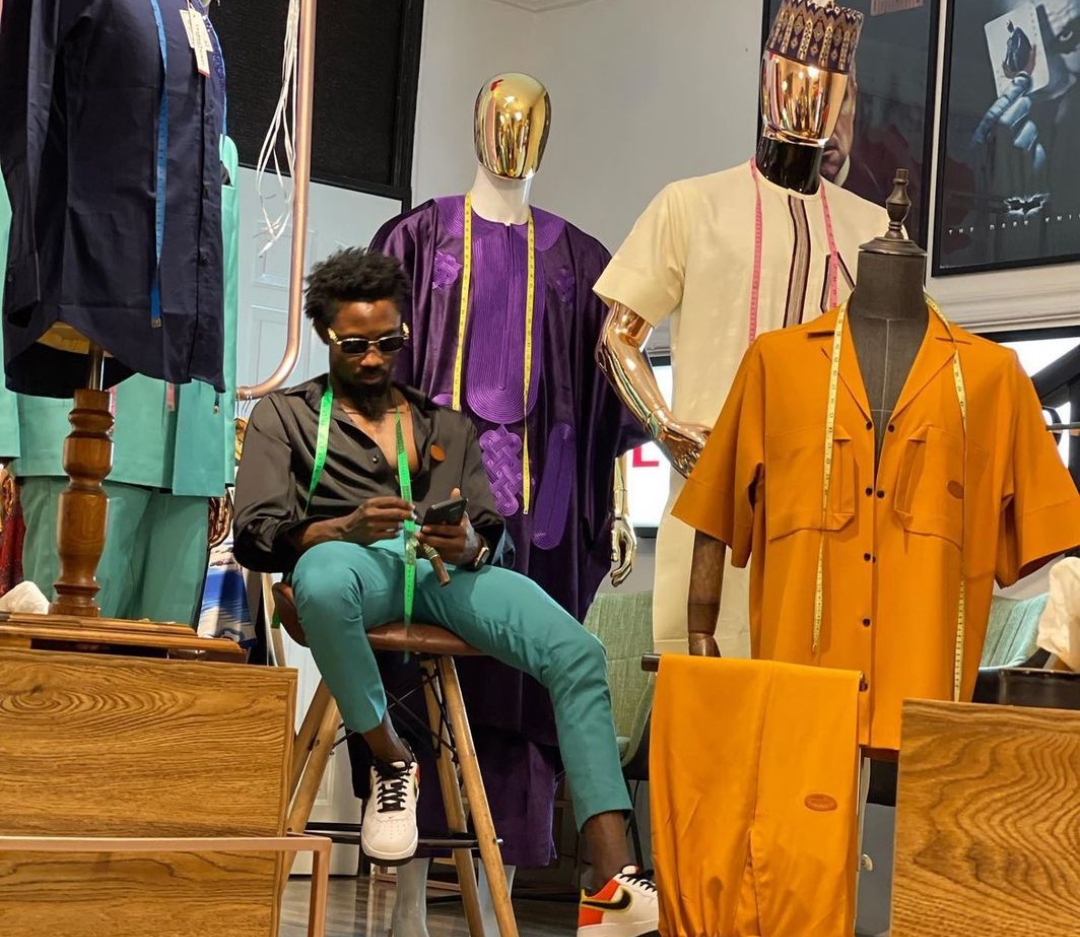
While it is not a fashion brand, Moniepoint’s impact on the industry is undeniable. From small tailoring shops in local markets to large fashion houses managing nationwide orders, the platform has transformed how fashion entrepreneurs receive payments, track sales, pay staff, and scale operations.
Before digital payment solutions became widespread, many fashion businesses relied heavily on cash transactions. This created several problems: inaccurate record-keeping, theft risks, limited ability to accept remote orders, and difficulty building credit history.
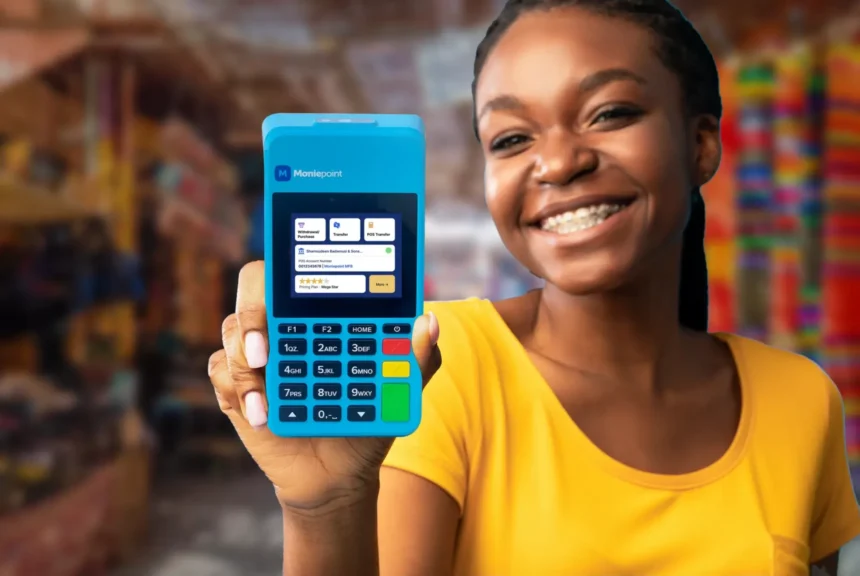
Today, Moniepoint’s POS terminals and business banking services allow designers to accept transfers, card payments, and deposits seamlessly. For a bride ordering dresses from another state or a client paying for a custom outfit online, this convenience is a game-changer.
Speed is another major factor. Fashion production often runs on tight deadlines — weddings, events, fashion shows, and festive seasons leave little room for payment delays. Moniepoint’s reputation for reliable and instant transactions means designers can confirm payments immediately and begin work without uncertainty. This reliability has helped reduce cancelled orders and disputes, especially in custom fashion, where materials must be purchased upfront.
Beyond payments, Moniepoint has helped formalize many small fashion businesses. Thousands of tailors and boutique owners who once operated informally now run registered business accounts, making them appear more professional and trustworthy to customers. This shift has also made it easier for some entrepreneurs to access loans, partnerships, and bulk supply deals.
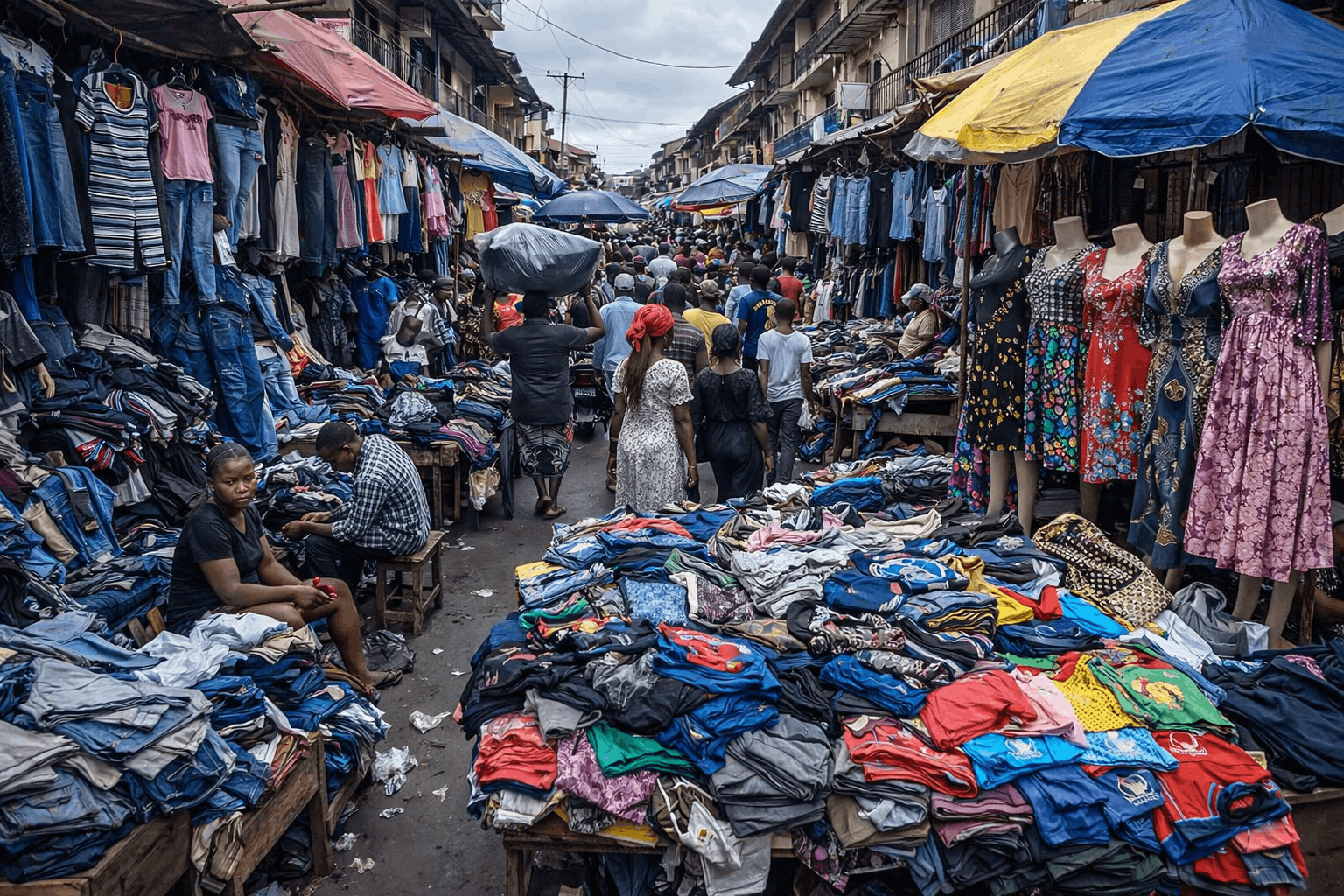
In local markets across Nigeria, POS agents using Moniepoint terminals have also boosted fabric sales. Customers no longer need to search for ATMs before buying lace, Ankara, or asoebi materials. Instant payments encourage impulse purchases and larger transactions, which directly benefit textile traders and fashion retailers.

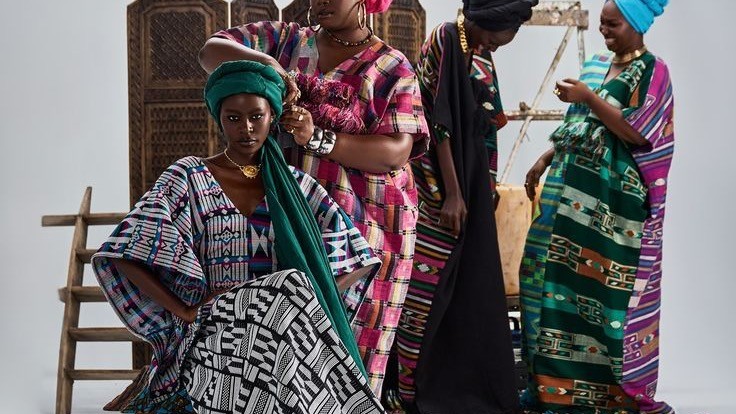
Moniepoint’s influence extends to the booming wedding fashion sector as well. Nigerian weddings involve multiple vendors, designers, bead makers, shoe sellers, makeup artists, event planners, and fabric suppliers. Smooth financial transactions between these players keep the entire ecosystem moving. By reducing payment friction, Moniepoint indirectly supports one of Nigeria’s most economically significant fashion segments.


The rise of social media fashion businesses has further amplified this impact. Many Instagram-based designers sell nationwide without physical stores. Reliable payment infrastructure allows them to operate like full-scale brands from small studios or even home workshops.
Customers can pay instantly, receive confirmation, and arrange delivery without ever visiting a shop, something we at GlamCityz have also found useful for managing advertising payments and business transactions entirely online.
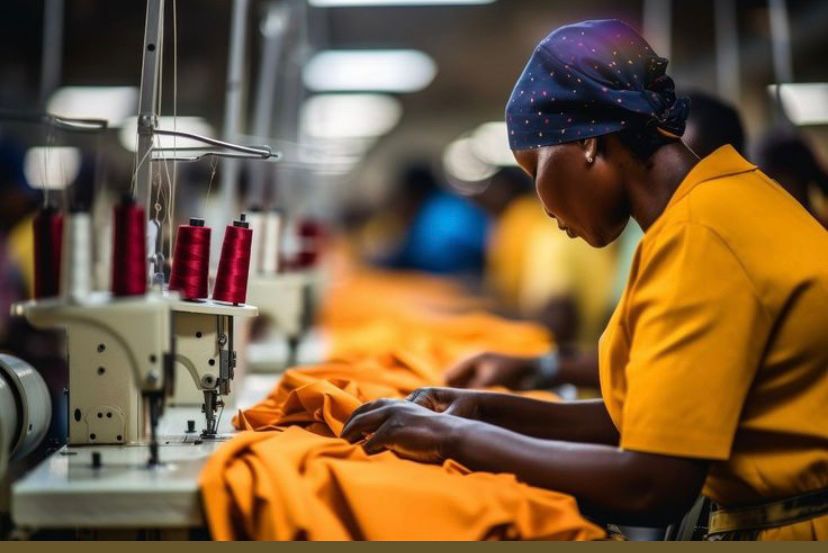
Moniepoint has also contributed to job creation within the fashion space. As businesses become more financially stable, they can hire apprentices, cutters, embroiderers, sales staff, and digital managers. In an industry known for informal employment, this stability matters.
There is also a subtle psychological shift taking place. Easy access to business banking tools encourages fashion entrepreneurs to think bigger. When designers can track revenue, manage expenses, and see daily sales patterns, they begin to operate less like survival businesses and more like scalable enterprises.
Of course, Moniepoint’s impact goes beyond fashion. It plays a major role in retail, transportation, hospitality, and everyday commerce across Nigeria. But fashion stands out because it blends creativity with high upfront costs, fabrics, labor, machines, logistics, and marketing. Any tool that improves cash flow immediately strengthens the entire production chain.

As Nigeria positions itself as a global fashion powerhouse, infrastructure matters just as much as creativity. Designers can produce world-class work, but without efficient financial systems, growth remains limited. Moniepoint has stepped into this gap, not with flashy campaigns targeted at fashion, but with practical solutions that address real business pain points.
In many ways, it has become an invisible partner to the industry, not seen on the runway, but present in nearly every transaction that makes the runway possible.