




There was a time when a Nigerian man’s relationship with his tailor was purely transactional. You brought fabric, described something roughly, came back in a week and wore whatever came out of it to the occasion. Fit was a bonus not a guarantee. And most men accepted that because the alternative, buying ready to wear that fit even less, was not much better.
- Nigeria Has Always Had the Craft. What Changed Is the Appetite
- What Bespoke Actually Gives a Nigerian Man That Ready to Wear Cannot
- The Nigerian Man Choosing Bespoke in 2026
- What This Is Doing to the Industry
- The Role of Social Media in All of This
- The Challenges That Still Need to Be Addressed
- Traditional Wear and the Bespoke Conversation
- Where the Industry Goes From Here
That time is over. Today a growing number of Nigerian men are approaching their wardrobes with a level of intention that would have seemed unusual even five years ago. They know their measurements. They have reference photos. They have opinions about lapel width and trouser break and the weight of fabric for different seasons. They are not just dressing anymore. They are investing. And bespoke tailoring is exactly where that investment is going.
Nigeria Has Always Had the Craft. What Changed Is the Appetite
Let us be clear about one thing. Nigerian tailoring is not new. The skill has been here for generations. The agbada sewn for a grandfather’s chieftaincy ceremony. The perfectly constructed senator outfit worn to a Lagos boardroom. The hand embroidered kaftan that took three weeks to complete and was passed down like an heirloom. The craft has always existed and at its best it has always been world class.
What is new is not the skill. What is new is the demand that is coming from a generation of Nigerian men who have grown up with access to global fashion conversations and have developed a language for what they want. They know what bespoke means. They understand why fit matters. They have seen enough well dressed men on their timelines to know the difference between a suit that was made for someone and a suit that was made for a body shape that happens to be close to theirs.
That educated appetite is what is driving the bespoke movement forward right now. The craft was always there. The consumer who truly values it is what has changed.
What Bespoke Actually Gives a Nigerian Man That Ready to Wear Cannot
This is worth slowing down on because it gets to the heart of why this shift is happening. When a Nigerian man walks into a store and buys a ready to wear piece, he is buying something designed for a hypothetical average body. The brand made assumptions about proportions, about shoulder width, about torso length, about how much room most people want in the seat of a trouser. Those assumptions may be close to right for him. Or they may be slightly off in three different places at the same time and the resulting fit is something he just learns to live with.
Bespoke starts from a completely different place. Every measurement is taken specifically for him. The pattern is built around his actual body. The silhouette is chosen based on how he wants to look and feel rather than what was decided in a design room in another country months ago. The fabric is something he chose himself from a selection that was presented to him with his lifestyle and preferences in mind.
The result is a garment that does not just fit. It fits him. There is a very specific feeling that comes from wearing something that was made entirely for your body and your taste and once a Nigerian man has experienced that feeling the idea of going back to settling for something close enough becomes genuinely difficult.

The Nigerian Man Choosing Bespoke in 2026
He is not who you might assume. Yes the established professional has always been part of this conversation. The senior lawyer who has been going to the same tailor for fifteen years. The CEO who orders three new suits before every major conference. That client has existed for a long time and is still very much here.
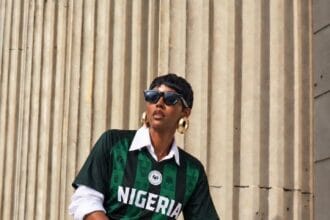
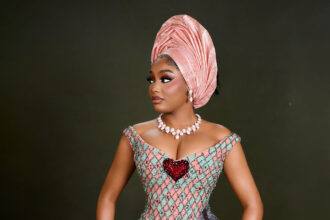
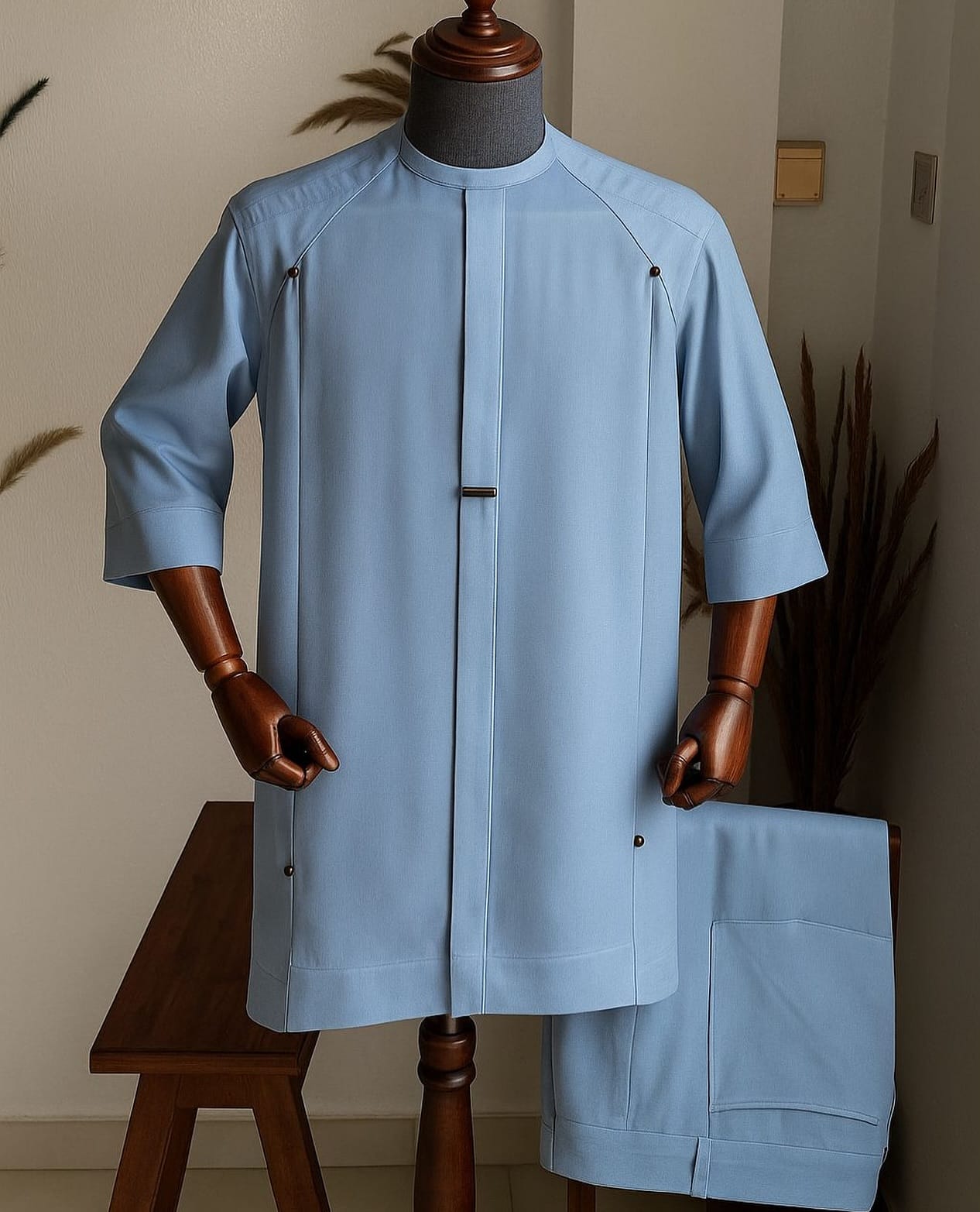
But the bespoke client in Nigeria today is also the 28 year old founder who built a tech startup from his bedroom and is now sitting in rooms that require him to show up differently. He is the creative director whose entire brand identity is built on personal style and who cannot afford to be seen in something generic. He is the groom who has spent months planning a wedding and knows that what he wears is going to be in photos he looks at for the rest of his life. He is the Nigerian man in the diaspora who flies home and uses part of every trip to sit with a tailor because he cannot find anywhere abroad that understands what he is trying to achieve with a traditional outfit.
What they share is not a profession or an income level. It is a decision. A decision that their clothes should be intentional. That the way they show up in the world should reflect something real about who they are. And bespoke tailoring is the most direct expression of that decision available to them.
What This Is Doing to the Industry
The growing appetite for bespoke among Nigerian men is not just changing how individual men dress. It is reshaping the entire ecosystem around men’s fashion in Nigeria.
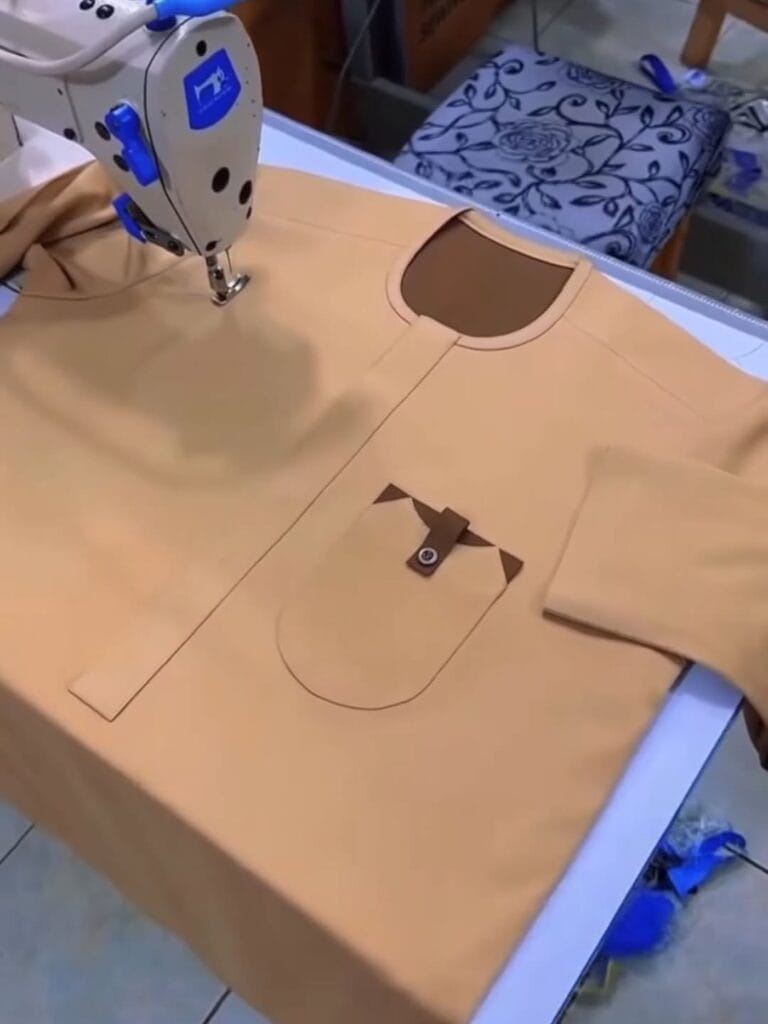
Tailors who were once considered purely functional, people you went to when you needed an outfit made quickly for an event, are now being positioned and positioning themselves as artists and craftsmen with waiting lists and premium rates to match. The best ones in Lagos, Abuja and Port Harcourt are fully booked weeks in advance and their work is being documented and shared in a way that builds reputations far beyond their immediate circles.
Fashion brands that have built their business on ready to wear are starting to add made to measure and bespoke tiers to their offerings because they are watching clients move in that direction and they do not want to lose them to standalone tailors. It is creating a new conversation within these brands about production, about client experience and about how to deliver personalisation at a level their current model was not built for.
And fabric merchants are feeling it too. The demand for quality suiting fabrics, for premium lace, for interesting textiles that work across both traditional and contemporary silhouettes, is growing as more men invest in pieces they actually care about. The whole supply chain is being pulled forward by this shift in consumer attitude.
The Role of Social Media in All of This
You cannot tell this story without talking about Instagram and what it has done to the visibility of bespoke tailoring in Nigeria.
Before social media, a brilliant tailor in Surulere could spend an entire career being known only to the clients he had been directly referred to. The work was exceptional but the audience was small. There was no mechanism for the broader market to discover him.
Social media changed that completely. A single post of a perfectly executed bespoke suit, shot well with a client who carries it right, can reach thousands of people who never would have found that tailor any other way. The tailors who understood this early and invested in documenting their work, showing the process, the consultations, the fittings, the finished results, built audiences and reputations that transformed their businesses.
It also did something equally important on the consumer side. It educated Nigerian men about what bespoke could look like. Men who had never thought seriously about tailoring started seeing the difference between clothes that fit and clothes that were made to fit. They started following tailors the way they used to follow only brands. They started developing preferences, learning vocabulary and eventually making appointments.
Social media did not create bespoke tailoring in Nigeria. But it put it in front of an audience that was ready for it and the results have been significant.
The Challenges That Still Need to Be Addressed
The growth is real but the industry is not without its problems and being honest about them is important.
Consistency is the biggest one. Nigerian men who have tried bespoke have often had wildly different experiences, sometimes even with the same tailor. A first piece that was everything they hoped for followed by a second that somehow missed in three different places. That inconsistency damages trust and it slows down the kind of referral growth that would otherwise come naturally from satisfied clients.
The consultation experience also needs work across the industry. A man investing serious money in a bespoke piece deserves a consultation that feels professional, guided and reassuring. Too many Nigerian tailors still run consultations that feel rushed, vague or entirely dependent on the client already knowing what they want. Building the skill of guiding a client through the process is as important as the skill of executing the garment and not enough of the industry treats it that way.
Pricing transparency is another area that is holding the industry back. Vague pricing, prices that shift mid process, quotes that do not account for the full scope of what was discussed, these things create friction and distrust that damage the bespoke experience even when the finished product is excellent. Clear, professional, transparent pricing is not just a courtesy. It is a fundamental part of building the kind of client relationships that sustain a bespoke business long term.
Traditional Wear and the Bespoke Conversation
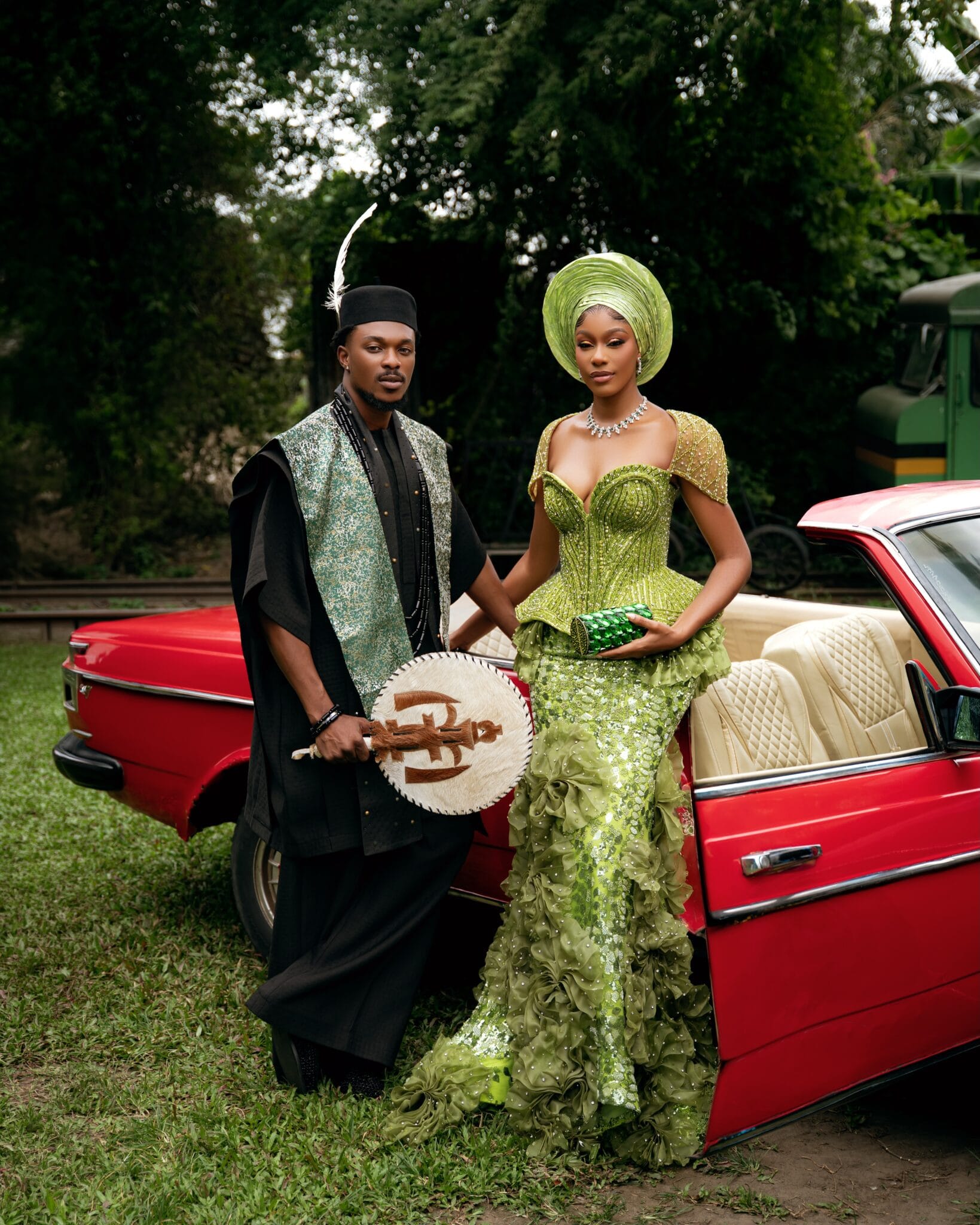
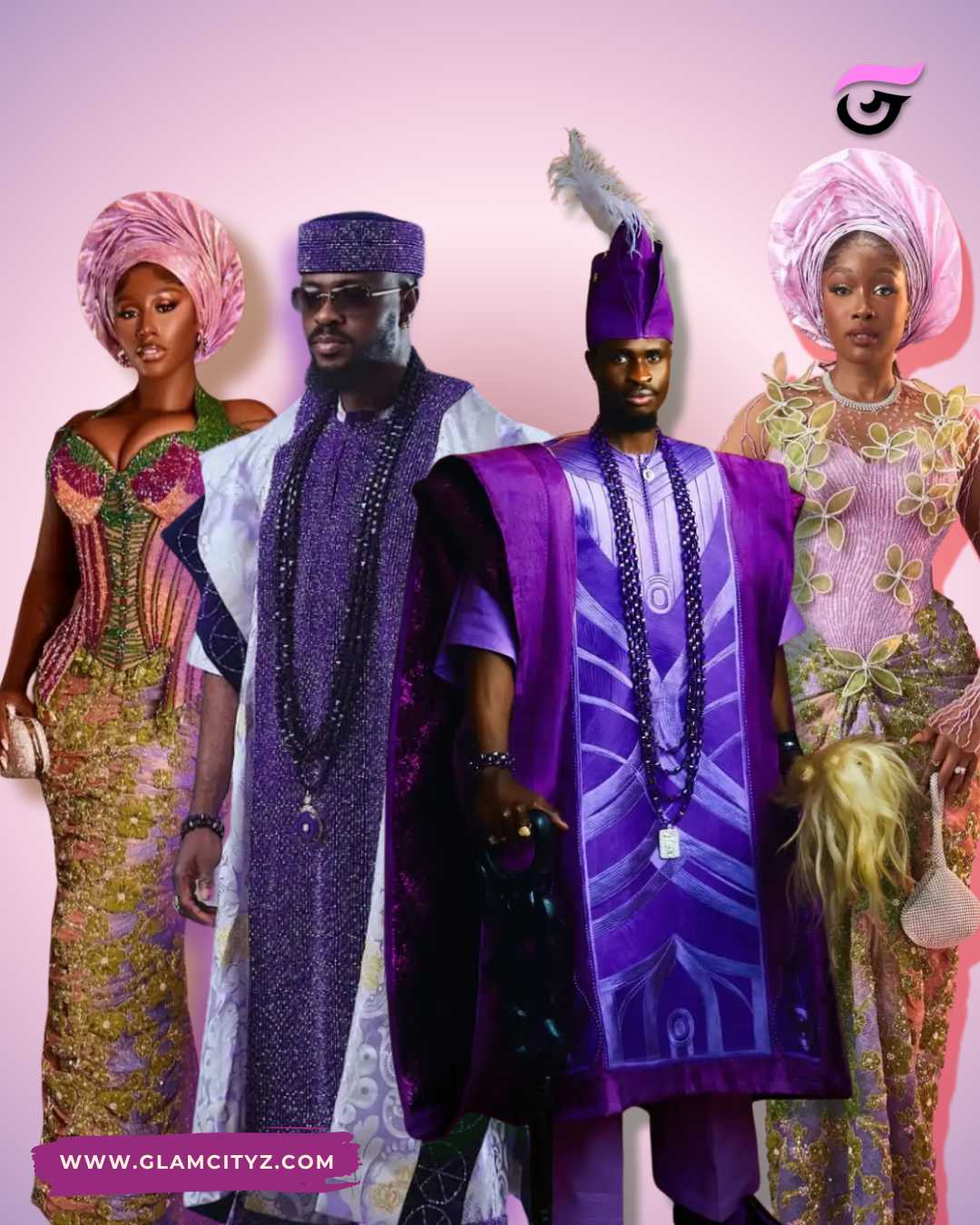
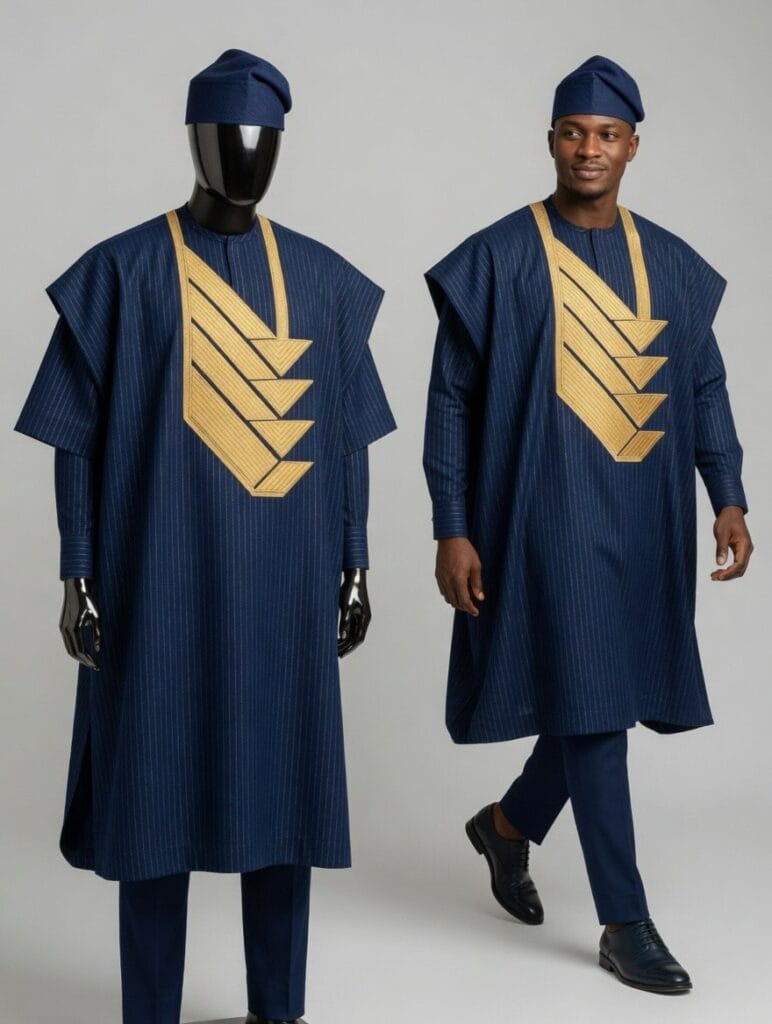
Any conversation about bespoke tailoring in Nigeria that does not center traditional wear is missing the most important part of the story. The agbada. The danshiki. The kaftan. The senator. These are not just clothing items. They are cultural statements, identity markers, expressions of heritage that carry enormous weight for the Nigerian men who wear them. And the standard of craft that goes into a truly exceptional traditional piece, the hand embroidery, the fabric selection, the way the silhouette moves, is as demanding as anything in global bespoke tailoring.
What is happening now is that the same standards of intention and personalisation that Nigerian men are applying to their contemporary wardrobe are being applied to their traditional pieces with even greater seriousness. Men are investing more in getting their traditional outfits exactly right. They are going back to the tailor two and three times for fittings on a single agbada. They are sourcing specific fabrics from specific parts of the country. They are thinking about how an outfit will photograph, how it will move at an Owambe, how it will look in the kind of photos that end up framed on a wall.
The future of bespoke in Nigeria is as much about elevating traditional tailoring as it is about anything else. And the tailors who understand both languages, who can work fluently across contemporary suiting and traditional wear, are the ones who are going to define what Nigerian men’s fashion looks like for the next generation.
Where the Industry Goes From Here
The trajectory is genuinely exciting. As more Nigerian men develop both the taste and the financial capacity to invest in bespoke, the market is going to keep expanding. The education is already happening through social media, through the visibility of well dressed Nigerian men globally and through the simple experience of enough men wearing bespoke and their peers noticing the difference.
The industry’s job now is to meet that growing demand with the professionalism, consistency and craft it deserves. That means training more skilled tailors to replace the ones who are aging out of the industry. It means building client processes that match the quality of the garments being produced. It means pricing correctly and holding those prices with confidence. It means telling the story of Nigerian bespoke tailoring to a global audience that is increasingly ready to hear it.
Nigerian men’s fashion is at an inflection point. The conversation has changed. The consumer has changed. The visibility has changed. What comes next depends entirely on whether the industry rises to match the moment it finds itself in. Everything points to yes.
Are you a Nigerian man who has made the move to bespoke tailoring? Or a tailor who is watching this shift happen in real time? Let’s hear your thoughts in the comments.