




For years, the final step before stepping out in Nigeria was not checking the mirror. It was checking the Uber app.
- When Getting Dressed Included Getting a Ride
- Uber Became Part of the Social Life
- And Then There Is the Outfit Problem
- Uber Is Gone, But Bolt and inDrive Are Still Here
- Bolt and inDrive Could Become Part of the New Going-Out Routine
- The Bigger Question Is How We Move Through Our Cities
- Will This Change How Nigerians Dress Up?
- The End of an Era, Not the End of Going Out
You could spend hours getting ready for a wedding, finding the right makeup artist, steaming your outfit, and deciding whether your heels were worth the pain, only to have one thing left to figure out: how you were getting there.
For many Nigerians, especially those living in busy cities, ride-hailing became part of the modern going-out experience. Uber was not simply a way to move from one location to another. It became part of the routine of getting dressed, leaving home, and arriving wherever the day or night was taking you.
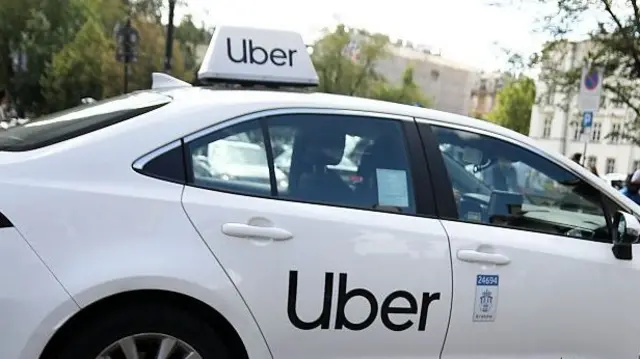
Now, that routine is changing. Uber ended its ride-hailing operations in Nigeria on September 2, 2026, after 12 years in the country. The company said the decision followed a review of its business priorities and investment focus across Africa.
For a company that became so familiar in the everyday lives of Nigerians, its departure feels like more than the disappearance of an app from our phones. It marks the end of a particular era in how many people have travelled to dinners, parties, weddings, concerts, meetings, and everything in between.
When Getting Dressed Included Getting a Ride
There is something particularly Nigerian about preparing to leave the house.
You do not simply get dressed. You calculate the weather, the traffic, the distance, the venue, the parking situation, and how much of your outfit can realistically survive the journey.
That became easier with ride-hailing. If you had an event across town, you could dress up at home, request a ride, and spend the journey worrying about traffic rather than figuring out where to park. If you were heading to a wedding in an elaborate outfit, you could at least hope to arrive looking relatively close to how you looked when you left your house.
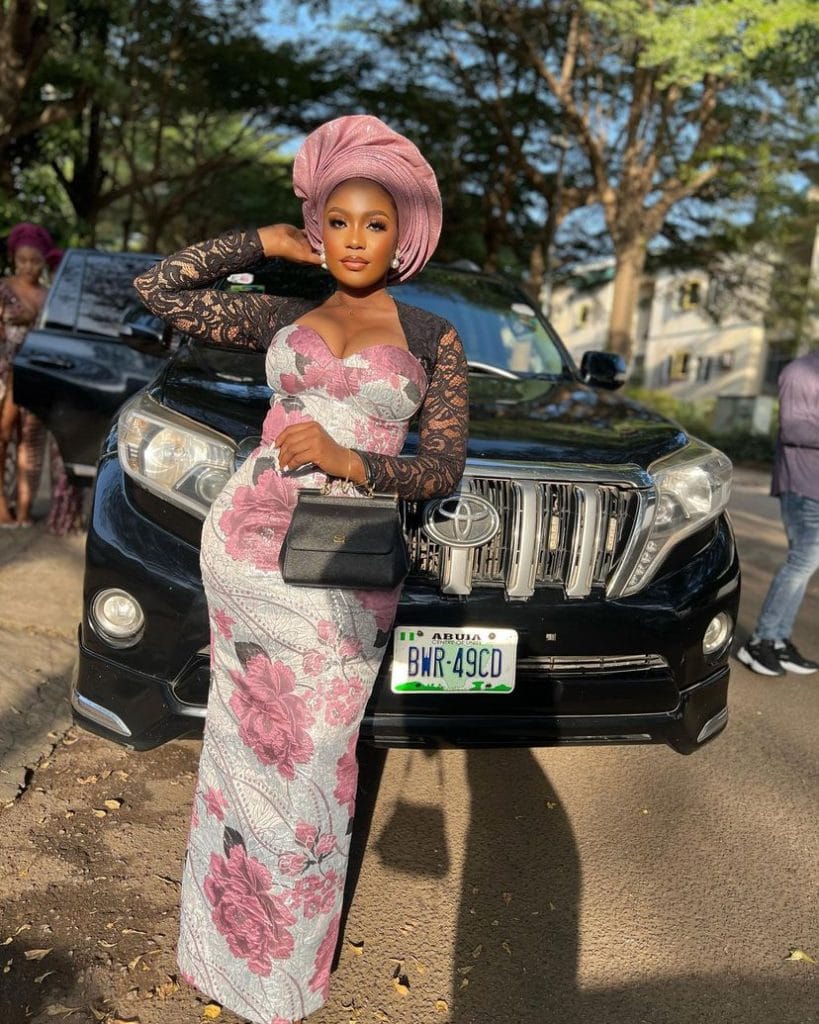
For fashion lovers, this matters. An outfit is not created for a vacuum. The clothes we wear are influenced by where we are going, how we are getting there, and what we expect to do when we arrive. Transportation quietly became part of that calculation.
A pair of heels feels very different when you know you will be driven from your front door to the venue than when you have to walk several streets looking for a taxi.
Uber Became Part of the Social Life
Think about the number of times you have opened a ride-hailing app before going somewhere.
A friend’s birthday dinner. A wedding. A fashion event. A concert. A date. A night out with friends. A beauty appointment. A brand launch.
For a generation that increasingly spends its social life outside the home, reliable transportation has become almost as important as knowing the venue’s address.
This was particularly visible in Nigeria’s event culture.
Weddings can involve multiple locations. Guests may move from a church ceremony to a reception, while after-party plans can take everyone somewhere else. Fashion and beauty events often happen in different parts of the city, and nightlife can stretch well into the night.
The ability to simply request a ride made this lifestyle easier to navigate.
Uber was not necessarily the reason people went out, but it became one of the things that made going out more convenient.
And Then There Is the Outfit Problem
Anyone who has dressed up for a Nigerian event knows that transportation can become part of the outfit strategy.
You might have the perfect dress, but can you sit comfortably in it for an hour in traffic? Can the train survive the journey? Will your gele still look the same after squeezing into a car? Will your makeup remain intact? Will your white outfit survive the roads?
These are not trivial questions when getting dressed is part of the experience.
For someone heading to a wedding in an elaborate asoebi look, transportation can determine how much effort goes into the outfit. For someone wearing delicate heels, a short dress, or a dramatic silhouette, the journey matters.
Ride-hailing gave people a little more freedom to dress for the destination rather than for the journey.
Uber Is Gone, But Bolt and inDrive Are Still Here
The end of Uber does not mean the end of ride-hailing in Nigeria.
If anything, its departure has placed a much brighter spotlight on the companies that remain. Bolt and inDrive are now in an even stronger position to compete for the riders, drivers and routines Uber leaves behind.

Both companies have reaffirmed their commitment to the Nigerian market following Uber’s exit. Bolt described Nigeria as an important market and said it would continue providing mobility solutions while creating opportunities for drivers. inDrive also described Nigeria as a key African market, pointing to continued year-on-year growth in its active user base and further investment in the country.
That could make the next chapter of Nigeria’s ride-hailing story particularly interesting.
For riders, the question may become less about whether they can still order a car and more about which platform offers the best combination of price, availability, convenience and safety for a particular journey.
For drivers, Uber’s departure could mean a reshuffling of where they take their business. Some may move to Bolt or inDrive, while others could explore the growing number of local mobility platforms competing for their services.
And for everyone simply trying to get to an event without ruining their outfit, the most important question remains very simple: Who is getting me there?
Bolt and inDrive Could Become Part of the New Going-Out Routine
This is where the story gets interesting for fashion and lifestyle.
The next time someone is getting ready for a wedding, they may not be opening Uber. They may be comparing Bolt and inDrive before deciding which ride to book.
A fashion girl heading to an event may check which app has the quickest pickup. Someone going to dinner may compare prices before leaving home. A guest attending an event outside the city centre may choose whichever platform has better availability in that area.
None of this sounds particularly fashionable, but it is. Because fashion does not exist separately from everyday life.
What we wear is influenced by where we are going, how long we will be there, and how we intend to get there. A beautiful outfit is part of an experience, and transportation is one of the things that makes that experience possible.
The Bigger Question Is How We Move Through Our Cities
There is a larger conversation underneath Uber’s departure.
Nigeria’s fashion and social culture is becoming increasingly mobile. People are attending more events, discovering restaurants, visiting new spaces, going to concerts, shopping across different parts of their cities and building businesses around experiences.
But none of this happens without transportation.
A beautiful restaurant opening somewhere in Lagos still requires people to get there. A fashion show still needs guests to arrive. A wedding venue outside the city centre still needs to be accessible. A beauty appointment still depends on a client being able to make it there.
Transportation is infrastructure for lifestyle. We rarely think about it that way because it is usually invisible when it works. You only notice how important something was when it changes.
Will This Change How Nigerians Dress Up?
Probably not dramatically. Nigerians are not about to stop wearing heels because Uber has left. Asoebi will not disappear, and nobody is cancelling their Saturday wedding because they cannot book their usual ride.
But small changes are possible. People may begin considering distance more carefully when accepting invitations. Some may leave earlier. Others may choose outfits that are easier to travel in, particularly when attending events far from home.
For nightlife, transportation could become an even bigger consideration. Knowing how you are getting home is already an important part of going out, and the availability, cost and convenience of rides could influence how often people choose to stay out late.
And for event organisers, accessibility may become something worth considering more seriously.
Because what is the point of hosting the most beautiful event if half your guests spend two hours figuring out how to get there?
The End of an Era, Not the End of Going Out
Uber’s departure is unlikely to stop Nigerians from living their lives.
We will still attend weddings. We will still dress up for dinner. We will still go to concerts, parties, fashion shows, and birthday celebrations. We will still take too many pictures before leaving the house and probably take even more when we arrive.
Nigerians have always found ways to move. But Uber became part of a particular chapter in that story. It belonged to an era where ordering a car from a phone became as ordinary as ordering food, checking Instagram or sending money.
Now Bolt and inDrive are among the platforms positioned to become an even bigger part of that everyday routine, while other mobility companies continue to compete for a place in Nigeria’s changing transport landscape.
For GlamCityz, perhaps that is the interesting part of this story. Fashion is not only about clothes. It is about how we live in those clothes.
It is about the places we go, the people we meet, the experiences we create, and the systems that help us get there. So yes, Uber is leaving Nigeria.
But Nigerians are not staying home.
The rides will continue. The weddings will continue. The dinners, parties, dates, concerts, and fashion events will continue. We will simply have to decide which app is taking us there.