




There is a quiet shift happening inside many Nigerian fashion brands. On the surface, they still look like tailoring businesses driven by creativity, fittings, and photoshoots. But beneath that creative layer, something more structured is forming. Many fashion brands are gradually operating like micro tech companies, even if they would never describe themselves that way.
This change did not happen because designers suddenly became interested in technology. It happened because growth, competition, and customer expectations forced them to become more organised. As visibility increased through social media and online platforms, the old informal ways of doing business began to break down. What once worked at a small scale became chaotic at a larger one. To survive, brands had to adopt systems.
Fashion Is Now Dependent on Digital Systems
Running a fashion brand today involves far more than sewing clothes. Most brands rely on Instagram for visibility, WhatsApp for conversations, payment gateways for transactions, delivery services for logistics, and sometimes websites for storefront operations. Each tool plays a specific role, and together they form a digital ecosystem that must function smoothly.
Managing these tools requires coordination and attention. If payment systems fail, revenue stalls. If Instagram engagement drops, inquiries slow down. If delivery tracking is unclear, customer trust suffers. These are not creative problems alone. They are operational challenges that require structured thinking. In many ways, fashion founders are managing small technology stacks without calling them that.
Payment Platforms Reshaped Business Thinking
One of the clearest signs of this transformation is the shift toward digital payments. Before structured payment platforms became common, designers relied heavily on manual confirmations, screenshots, and trust. Today, many brands generate payment links, track transactions digitally, and maintain clearer financial records.
When payments become structured, decision-making changes. Brands can see patterns in revenue. They can track peak sales periods. They can measure refunds and cancellations. This visibility allows them to plan more intentionally rather than relying on memory or instinct. That mindset shift, from informal to measurable, mirrors how technology-driven companies operate.
Data Is Becoming a Competitive Advantage
Most fashion brands may not speak openly about analytics, but they interact with data daily. They know which styles sell quickly, which posts generate inquiries, and which customers return repeatedly. They observe which months are slower and which price points receive resistance.
The brands that pay closer attention to these patterns gain an advantage. They can forecast demand more accurately and adjust pricing with greater confidence. They can focus marketing efforts where results are strongest. This transition from reacting emotionally to responding strategically marks a major shift in how fashion businesses function.

Social Media Introduced Operational Discipline
Social media platforms may appear casual, but they operate on structured algorithms. Visibility depends on consistency. Response time affects credibility. Engagement metrics influence reach. To remain competitive, brands must think beyond aesthetics and consider timing, performance, and audience behaviour.


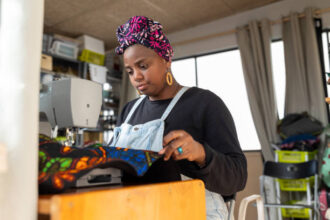
This pressure has introduced operational discipline into fashion. Content must be scheduled. Engagement must be monitored. Customer inquiries must be handled quickly and professionally. These processes resemble digital operations management more than traditional tailoring.
Automation Is Reducing Chaos
Automation is slowly entering many fashion workspaces, even if it goes unnoticed. Order forms replace verbal agreements. Shared spreadsheets track production timelines. Automated payment confirmations reassure customers. Simple customer management systems reduce repeated explanations.
These changes may appear small, but they reduce friction. When workflows are documented and repeatable, errors decrease and growth becomes manageable. This structured approach is similar to how early-stage tech companies organise themselves before scaling further.
The Emergence of a Hybrid Founder
The modern Nigerian fashion founder occupies a hybrid role. They are creative directors, but they are also system managers. They coordinate digital tools, analyse engagement metrics, integrate payment platforms, and oversee logistics. They may not build software, but they rely on it daily to keep operations running smoothly.
Fashion brands in Nigeria are becoming micro tech companies because structure is no longer optional. Digital infrastructure underpins visibility, payments, communication, and delivery. As the industry continues to evolve, the brands that thrive will not simply be the most stylish. They will be the most organised and technologically aware.
The product may still be fabric and thread, but the engine powering modern fashion businesses is increasingly digital.