




Nigeria’s events industry is expanding rapidly. Concerts are larger, parties are louder, conferences are more frequent, and social gatherings are increasingly commercialised. With this growth has come a noticeable surge in event ticketing platforms. What once felt like a niche service has suddenly become a crowded and competitive space.
- Events Are No Longer Small or Informal
- Ticketing Is About More Than Selling Access
- Why Fintech and Tech Companies Are Paying Attention
- The Power Imbalance Between Platforms and Organisers
- Same Features, Different Branding
- Events Have Become a Performance Economy
- What the Race Is Really About
- What Will Define the Next Phase
At first glance, this race looks like innovation responding to demand. More events should naturally lead to more tools. But a closer look reveals that this is not just about helping organisers sell tickets. It is about who controls transactions, data, and access in Nigeria’s growing events economy.
Events Are No Longer Small or Informal
For a long time, Nigerian events operated on informal systems. Tickets were sold through bank transfers, guest lists were managed manually, and entry was confirmed through screenshots or names at the gate. These systems worked when events were small and personal.
As events grew in size and visibility, those informal systems began to fail. Fraud became common. Attendance numbers were unreliable. Revenue leaked. Organisers struggled to track sales and control access. The need for structure became unavoidable.
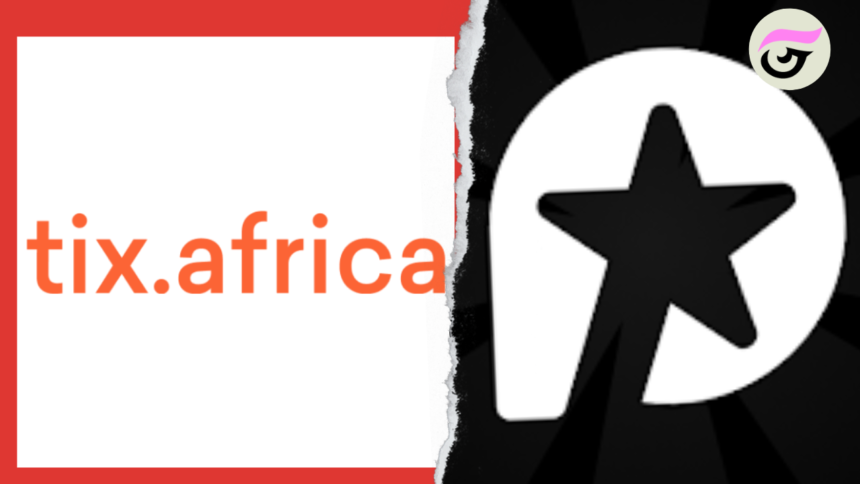
This is where early ticketing platforms such as Tix found relevance. They introduced basic order, access, and attendance management, helping organisers move away from purely manual processes. For a while, this felt like progress.
Handpicked from OiO
Featured vendors
 Nail Technician
Ozi_nails_n_more
View profile Nail Technician
Wumiwest Beauty Bar
View profile Makeup Artist
Kaajsignatures
View profile Event Printing
Dainty by Enny
View profile Fashion Designer
El pomacob sewz
View profile Photographer
The Ayotomide weddings
View profile Videographer
Hayflex Weddings & Films
View profileRead More: How OiO Is Bringing Nigeria’s Event Vendors Together In One Powerful Marketplace
Ticketing Is About More Than Selling Access
What many people underestimate is what ticketing platforms actually represent. They are not just tools for selling entry to events. They sit at the centre of payments and data.
Every ticket sold passes through the platform first. That means platforms see who is buying, how often they attend events, how much they are willing to pay, and how demand changes over time. In a digital economy, this information is extremely valuable.

Owning ticketing infrastructure means owning insight into consumer behaviour. It also means controlling the flow of money before it reaches organisers. This position gives platforms leverage that goes far beyond events.



Why Fintech and Tech Companies Are Paying Attention
This helps explain why companies outside traditional event spaces are entering the market. Partyverse, backed by PiggyVest, is a clear example. PiggyVest did not build its reputation in entertainment. It built trust around payments, savings, and user behaviour.
By moving into event ticketing, Partyverse extended that expertise into a new context. Events are not just cultural experiences; they are financial pipelines. Tickets, refunds, wallets, and spending patterns all intersect in one place. For a company that already understands payments, expanding into ticketing is a logical move.
This signals a broader trend. As tech companies look for new areas of growth, they are drawn to spaces where transactions are frequent, emotional, and social. Events check all three boxes.
The Power Imbalance Between Platforms and Organisers
One uncomfortable reality in this race is who carries the risk. Event organisers shoulder most of the uncertainty. They handle venue bookings, artist fees, logistics, marketing, and customer satisfaction. When an event fails or is cancelled, organisers absorb the reputational and financial damage.
Platforms, however, are often insulated. Their business model is built around processing transactions. Even when events struggle, platforms may still collect fees. This creates a quiet imbalance where the infrastructure benefits more consistently than the experience creators.
Same Features, Different Branding
Despite the growing number of ticketing platforms, many offer similar features. Ticket sales, QR codes, dashboards, and basic analytics are now standard. Competition is less about innovation and more about onboarding organisers quickly and capturing volume.
This sameness raises questions about differentiation. If most platforms are solving the same surface-level problems, the real competition shifts to scale, partnerships, and control rather than improved event experiences.
Events Have Become a Performance Economy
Events today are not just attended; they are documented. Photos, videos, attendance numbers, and sold-out announcements circulate widely on social media. Ticketing platforms benefit from this performance economy. Each successful event becomes proof of relevance and demand.
This visibility further increases the value of owning ticketing infrastructure. Numbers matter. Data matters. Platforms that control access to these metrics gain influence in how success is defined.
What the Race Is Really About
The surge in ticketing platforms is not simply a response to unmet needs. It reflects a broader desire to control the rails of Nigeria’s events economy. Infrastructure scales more easily than experience. Transactions are safer to own than creativity.
This does not mean ticketing platforms are unnecessary. Structure is important. But it does raise an important question about priorities. Are platforms building for organisers, or are organisers becoming inputs into platform growth?
What Will Define the Next Phase
The next phase of Nigeria’s event ticketing space will be defined by more than the number of platforms. It will be shaped by which companies truly understand events beyond payments.
Platforms that support organisers before, during, and after ticket sales will stand out. Those who help build trust, manage cancellations, support marketing, and improve experiences will matter more than those chasing transaction volume alone.
Until then, the race will continue. Not because events lack platforms, but because controlling access to money and data remains one of the most powerful positions in Nigeria’s digital economy.
The real question is not who builds the next ticketing platform. It is who ultimately benefits from the systems being built.