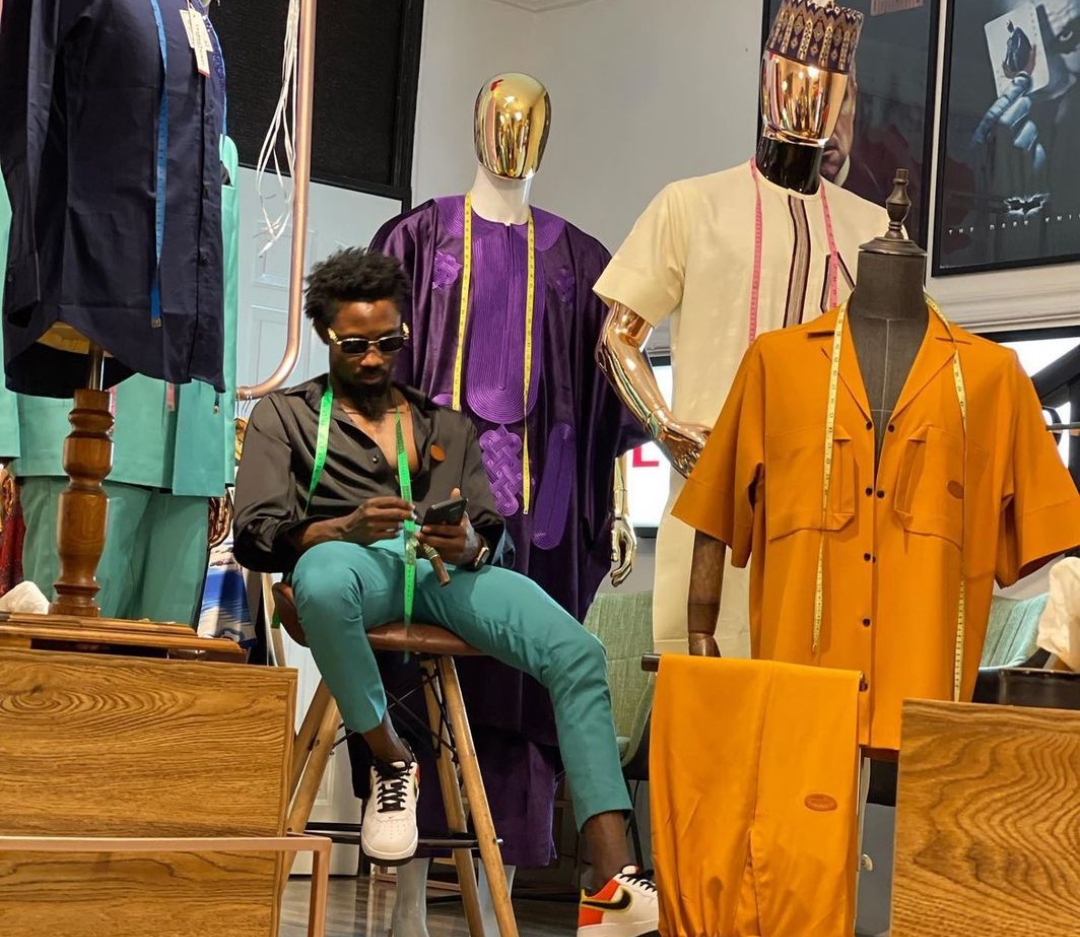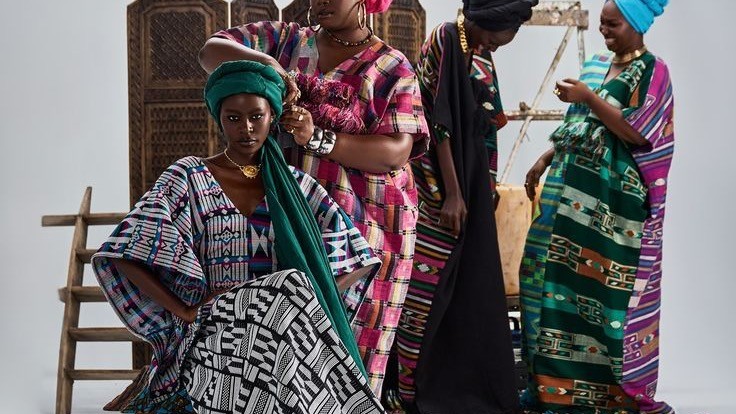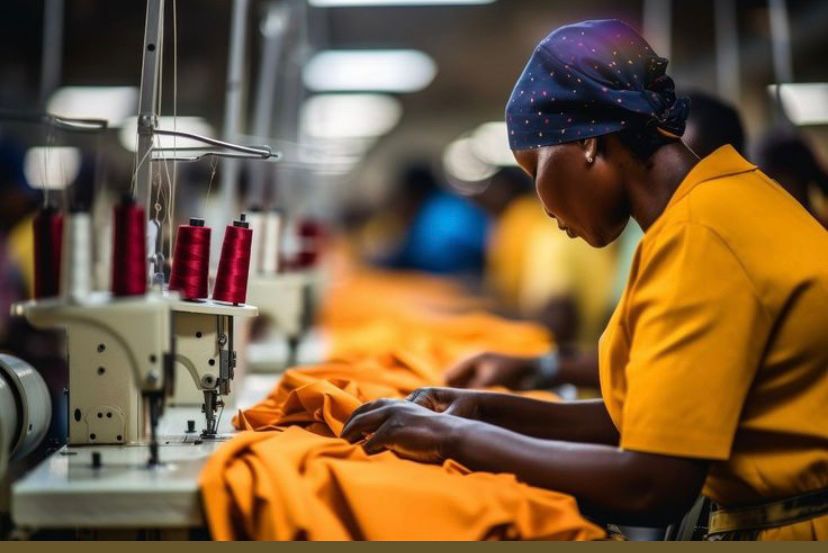






WhatsApp has quietly become one of the most important tools powering fashion businesses in Nigeria today. For many small brands, WhatsApp for fashion businesses in Nigeria is no longer optional; it is essential. What started as a simple messaging app is now where a large part of the industry actually operates. For many designers, tailors, and small brands, WhatsApp is not just for communication. It is where business happens.
Across the country, fashion businesses rely on WhatsApp to take orders, respond to inquiries, confirm payments, send updates, and maintain relationships with customers. In many cases, it has replaced the need for a physical store or even a fully developed website. For small brands, especially, it offers a practical and accessible way to run daily operations.
A Storefront Without the Cost
Setting up a physical shop in Nigeria can be expensive. Rent, electricity, furnishing, and staffing all require capital that many small fashion businesses do not have at the early stage. WhatsApp provides an alternative. With just a smartphone and an internet connection, a designer can display products, communicate with customers, and close sales.
Customers can request pictures, ask questions, and place orders directly through chat. For many businesses, this has made it possible to operate from home or a small workshop without losing access to a wider market.
Direct and Personal Customer Interaction
One of the reasons WhatsApp works so well for fashion businesses is the direct communication it enables. Unlike websites or automated platforms, conversations on WhatsApp feel personal. Customers can describe what they want, send inspiration photos, and receive quick responses.
This direct interaction builds trust. Clients feel heard, and businesses can clarify details before production begins. For custom fashion, where measurements, fittings, and preferences matter, this kind of communication is essential.
Faster Sales and Decision Making
WhatsApp has also made the buying process faster. A customer can see a design on Instagram, send a message immediately, get a price, and make a payment within minutes. There is little friction between interest and purchase.
For small fashion brands, this speed is important. It reduces the chances of losing customers during long processes and helps convert inquiries into actual sales more efficiently.

Integration With Payments and Delivery
Another reason WhatsApp has become essential is its ease of integration with other tools. Payment links from platforms like Paystack or Flutterwave can be shared directly in chats. Once payment is confirmed, businesses can move straight to production or dispatch.


Delivery arrangements are also coordinated through WhatsApp. Locations are shared, timelines are discussed, and updates are provided in real time. This makes the entire transaction process smoother, even without complex systems. This is why WhatsApp for fashion businesses in Nigeria continues to grow. It offers a simple, accessible way to manage customers and close sales without complex systems.
Managing Orders and Relationships
Beyond sales, WhatsApp plays a role in managing customer relationships. Many brands keep records of past clients through chats, making it easy to follow up, send updates, or inform them about new collections.
Broadcast lists and status updates are also used as marketing tools. Designers showcase new styles, announce availability, and remind customers of deadlines. In this way, WhatsApp becomes both a communication tool and a marketing channel.
The Challenges of Running a Business on WhatsApp
Despite its advantages, relying heavily on WhatsApp also comes with challenges. As customer numbers grow, managing conversations can become overwhelming. Important messages may get lost, and response time can slow down.
There is also the issue of structure. Without proper systems, tracking orders, payments, and delivery timelines through chat alone can lead to confusion. For growing brands, this often becomes a limitation.
In addition, businesses are dependent on a platform they do not control. Changes, outages, or restrictions can affect operations without warning.
What This Means for Small Fashion Brands
For small fashion businesses in Nigeria, WhatsApp remains one of the most powerful tools available. It lowers the barrier to entry, supports direct communication, and makes it possible to run a business with minimal resources.
However, as brands grow, there is a need to balance convenience with structure. Combining WhatsApp with simple systems such as order tracking, clear pricing, and organised workflows can help businesses scale more effectively.
A Quiet Shift in How Fashion Operates
WhatsApp did not set out to become a business platform for fashion, but that is exactly what it has become. It reflects a larger shift in how businesses operate in Nigeria, where accessibility and practicality often drive innovation.
For many fashion entrepreneurs, especially those just starting, WhatsApp is more than a tool. It is the foundation on which their business runs.
As the industry continues to evolve, the brands that succeed will not just be those that use WhatsApp, but those that use it intentionally, combining its flexibility with systems that support growth.
And as more entrepreneurs enter the industry, WhatsApp for fashion businesses in Nigeria will continue to play a central role in how brands operate and grow.